25 Stunning Barndo Colors for Maximum Curb Appeal (2026 Trends)
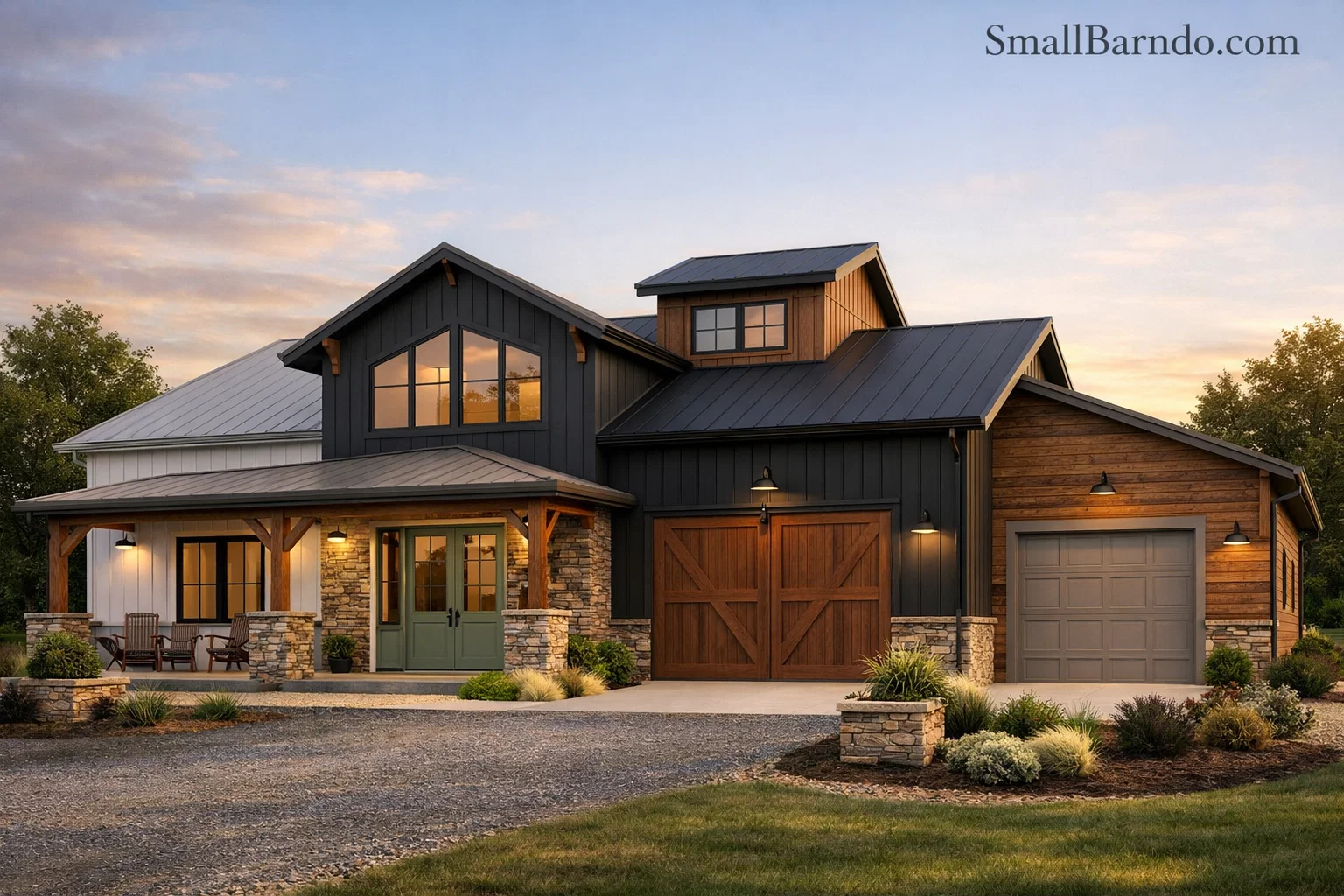
Building your barndominium is more than a construction project; it is the realization of a “forever home” dream. There is a specific, quiet magic in that moment when you pull into your driveway and see a reflection of your personality standing tall against the horizon. In 2026, Barndo colors have shifted away from the sterile, high-contrast “black-and-white” look of years past. Instead, we are seeing a return to “Modern Heritage” a style that prioritizes warmth, emotional resonance, and a deep connection to the surrounding landscape. Choosing your palette is the final brushstroke on your masterpiece, turning a steel structure into a sanctuary that feels like it has always belonged.
Table of Contents
The Evolution of Barndominium Aesthetics in 2026
If you’ve been following the world of steel-frame homes for a few years, you’ve likely seen the “Modern Farmhouse” explosion. For a long time, the default was simple: white siding, black trim, and maybe some cedar accents. But as we move through 2026, you’re probably noticing a shift. The trend has matured. Homeowners like you are moving away from “safety” and toward “soul.”
The Shift to “Modern Heritage”
This new era is defined by colors that look like they have a history. We are seeing a transition from the “Stark Farmhouse” (pure white and black) to softer, layered neutrals and what designers call “Restorative Darks.” These aren’t just colors; they are atmospheres. You want your home to look like it has been part of the land for decades, not like it was dropped there by a shipping container.
Biophilic Design and Your Exterior
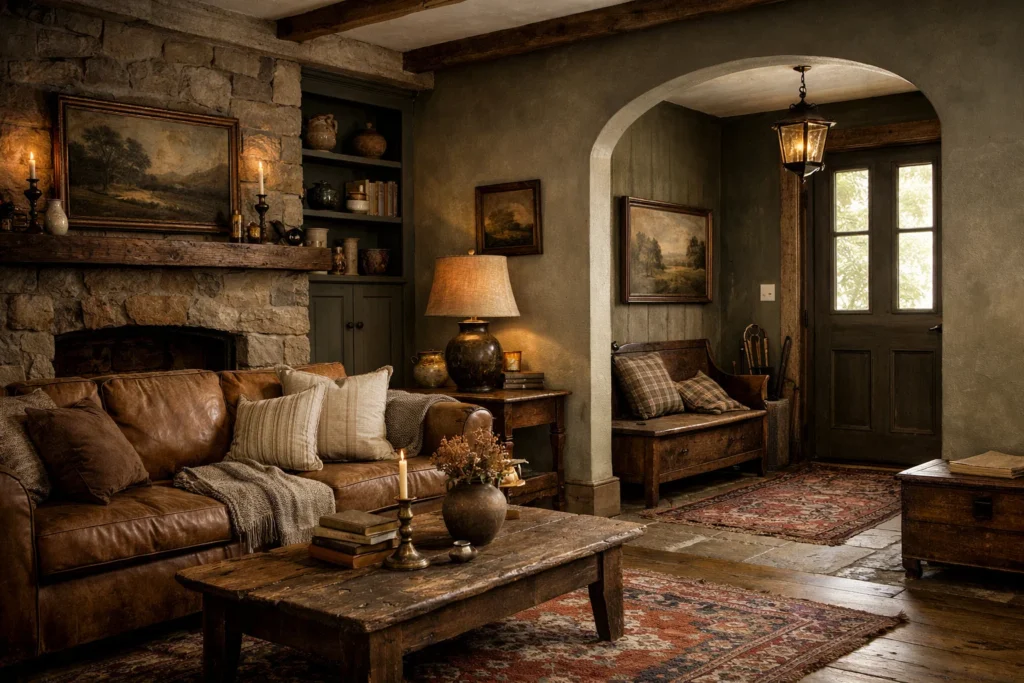
Biophilic design is a fancy term for a simple concept: bringing the outdoors in. In 2026, this has reversed. We are now bringing the “outdoors out.” Your Barndo colors are increasingly mimicking the elements mossy greens, weathered stones, and sun-baked clays. According to recent market data, interest in barndominiums has climbed 11% this year, with a significant majority of new builders prioritizing “emotional durability,” choosing palettes that they won’t get tired of in five years.
The 2026 Palette: 25 Best Barndo Colors for Maximum Curb Appeal
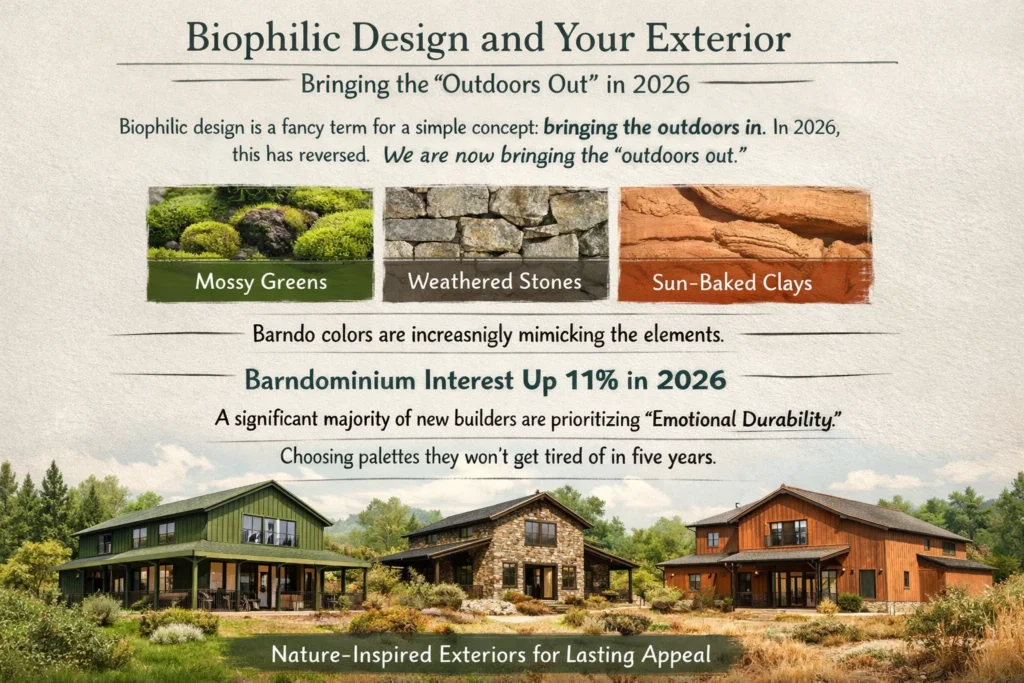
To help you navigate this massive decision, I’ve broken down the top 25 colors of the year into four logical categories. Whether you want your barndo to disappear into the woods or stand as a bold statement on the plains, you’ll find your inspiration here.
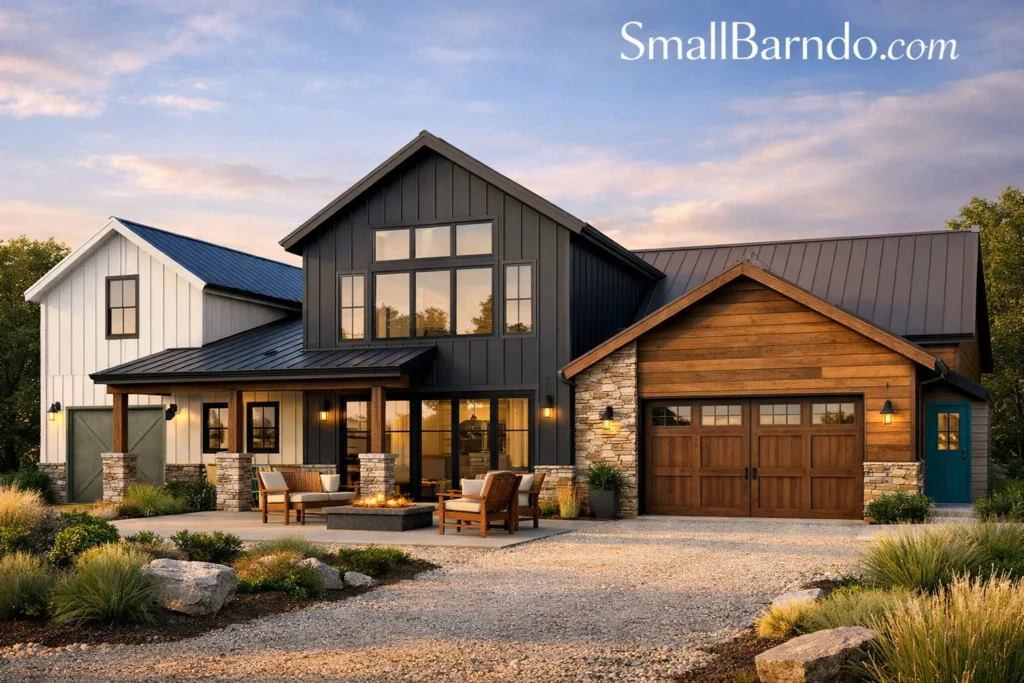
1. Foundational Neutrals & New Classics
These are the safe bets that have been updated for a modern, warmer sensibility. They offer high resale value and a timeless feel.
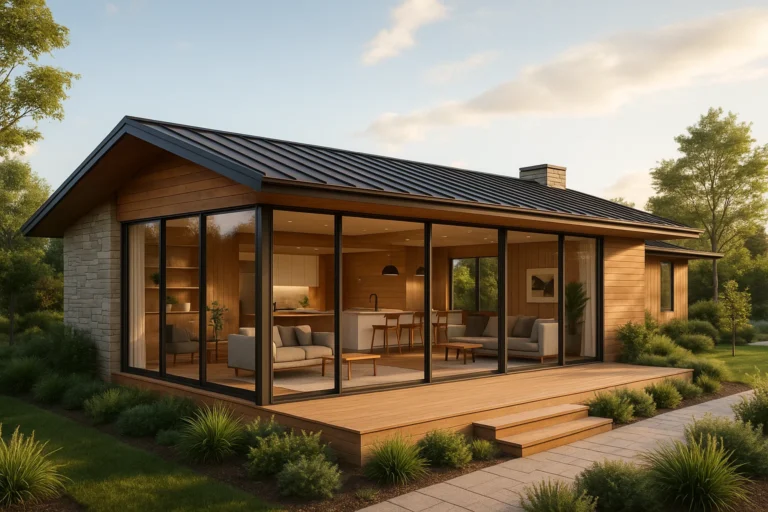
- Universal Khaki (SW 6150): Often cited as the 2026 Color of the Year for exteriors, this is a versatile mid-tone that feels grounded. It’s less “yellow” than traditional tans and more “stony.”
- Swiss Coffee (OC-45): This is for you if you love white but hate the “hospital” look. It’s creamy, warm, and inviting.
- Alabaster (SW 6241): The gold standard. It’s a soft white that glows in the evening sun without blinding your neighbors.
- Sanderling (SW 7513): A sophisticated beige with gray undertones. It’s perfect for a “Greige” look that leans toward the warm side.
- Agreeable Gray (SW 7029): Still a powerhouse in 2026. It adapts to the light around it, looking cooler in the shade and warmer in direct sun.
- Revere Pewter (HC-172): A bridge between traditional and modern. It looks incredibly expensive when paired with dark bronze windows.
- Bone White: A classic choice specifically for metal siding. It has a slightly aged, antique look that softens the industrial edges of a steel building.
2. Restorative Darks & Moody Moderns
Dark colors are surging in 2026 because they provide a sense of security and modern sophistication.
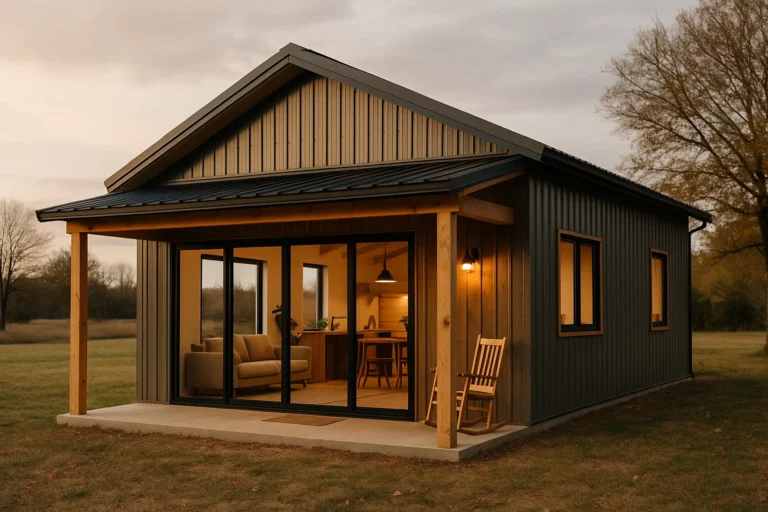
- Silhouette (AF-655): Benjamin Moore’s hero color for the year. It’s an espresso-charcoal blend. It isn’t black, and it isn’t brown, it’s the perfect “in-between” that feels like velvet.
- Iron Ore (SW 7069): If you want a dark home but pure black feels too aggressive, this is your color. It’s a soft charcoal that looks great with natural wood beams.
- Tricorn Black (SW 6258): The ultimate for industrial barndos. It’s a true black with no visible undertones.
- Dark Auburn (SW 6034): This is a moody, coppery-red. It mimics the look of aged iron or deep mahogany wood.
- Inkwell (SW 6992): An inky blue-black. In the morning, it looks navy; by noon, it looks charcoal. It’s a “living” color.
- Burnished Slate: This is a standard color for many metal panel manufacturers. It offers a textured, industrial-chic look that hides dust exceptionally well.
3. Earth-Inspired Greens & Sunbaked Hues
Green is the “new neutral” for 2026. It connects your home to the trees and the grass, creating a peaceful profile.
- Pewter Green (SW 6208): A muted, dark sage. It’s perhaps the most popular “moody” green for rural builds this year.
- Narragansett Green (HC-157): A deep heritage green. It feels historic and works beautifully with gold or brass hardware.
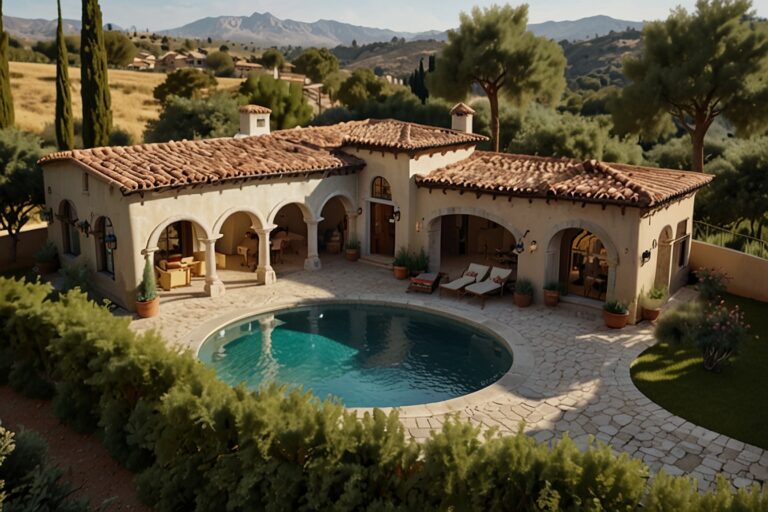
- Pennywise (SW 6349): A nostalgic, sun-kissed terracotta. If you are building in the Southwest or an open prairie, this color is stunning.
- Southwest Pottery (048): An earthy, clay-inspired tone that feels like it was pulled straight from the desert floor.
- Tarragon (SW 9660): A restorative green that is slightly lighter than forest green. It’s peaceful and pairs well with stone wainscoting.
- Hunter Green: A timeless rustic choice. It’s for the traditionalist who wants that “cabin in the woods” vibe.
4. Coastal Haze & Soft Pastels
Unexpectedly, soft blues and even buttery yellows are making a comeback as homeowners seek a “lighter” emotional footprint.
- Raindance (1572): A misty blue-green. It’s calming and works surprisingly well on large-scale steel buildings.
- Batik (AF-610): A sophisticated blue with a touch of gray. It feels modern but grounded.
- Lemon Chiffon (SW 6686): A buttery yellow. In 2026, this is replacing stark white for those who want a “sunny” home.
- First Crush (CSP-310): A soft pink-white. Don’t be fooled by the name; on a large barndo, it looks like a warm, ethereal off-white.
- Upward (SW 6239): A breezy denim blue. It’s light, airy, and keeps the massive scale of a barndo from feeling “heavy.”
- Copper Penny: This isn’t just a color; it’s a metallic finish. It reflects light and changes throughout the day, giving your home a high-end, custom-engineered look.
Comparison: Light vs. Dark Barndo Colors
When you’re staring at two-inch paint swatches, it’s easy to forget that your choice has practical consequences. Your color choice will affect your monthly energy bill and how often you’re out there with a power washer.
| Feature | Light Colors (e.g., Alabaster) | Dark Colors (e.g., Iron Ore) |
| Energy Efficiency | High. Reflects solar heat, which is vital for southern climates. | Lower. Absorbs heat. Great for northern winters, but tough in July. |
| Maintenance | Shows mud and organic growth (mildew) more easily. | Shows dust, pollen, and hard water spots. |
| Visual Scale | Makes the building look larger and more expansive. | Helps “shrink” the building, making it feel more cozy/grounded. |
| UV Resistance | Generally lasts longer; fading is less noticeable. | More prone to visible fading over 10–15 years. |
| LRV (Reflectance) | Typically 70% to 90%. | Typically 5% to 20%. |
Factors That Influence Your Color Choice
Before you pull the trigger on a custom order of metal panels, you need to consider the “Science of the Shine.” Your barndominium isn’t just a canvas; it’s a giant thermal mass of steel.
Understanding LRV (Light Reflectance Value)
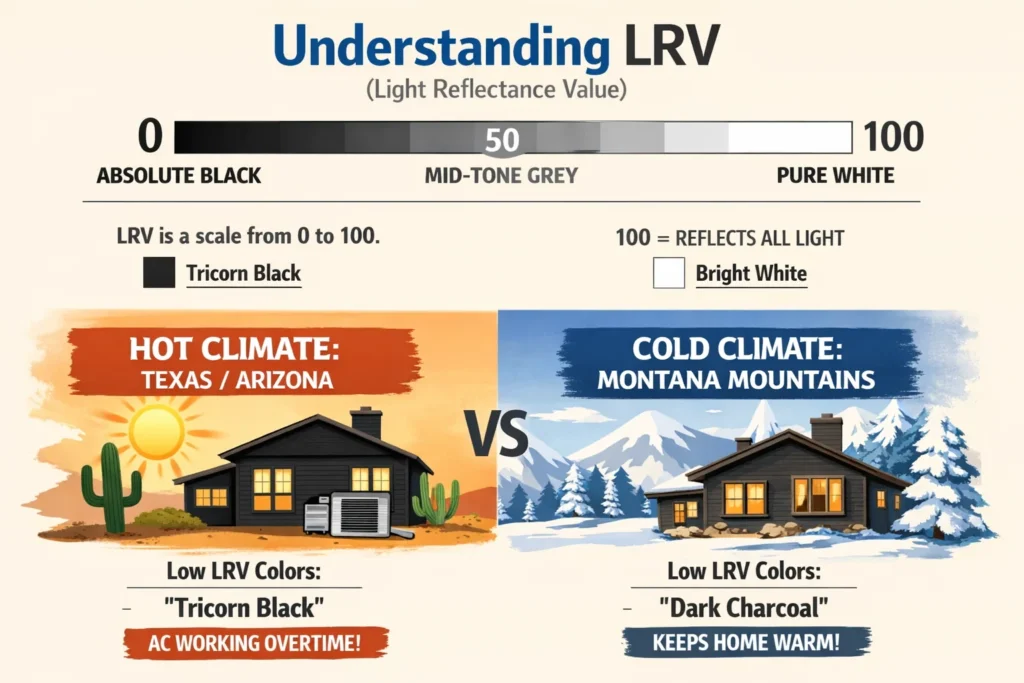
LRV is a scale from 0 to 100. A 0 is absolute black (absorbs all light), and 100 is pure white (reflects all light). If you are building in a state like Texas or Arizona, a low-LRV color like “Tricorn Black” is going to make your air conditioner work overtime. On the flip side, if you’re in the snowy mountains of Montana, a dark charcoal can actually help keep your home warm by soaking up the winter sun.
The Material Factor: Metal vs. Fiber Cement
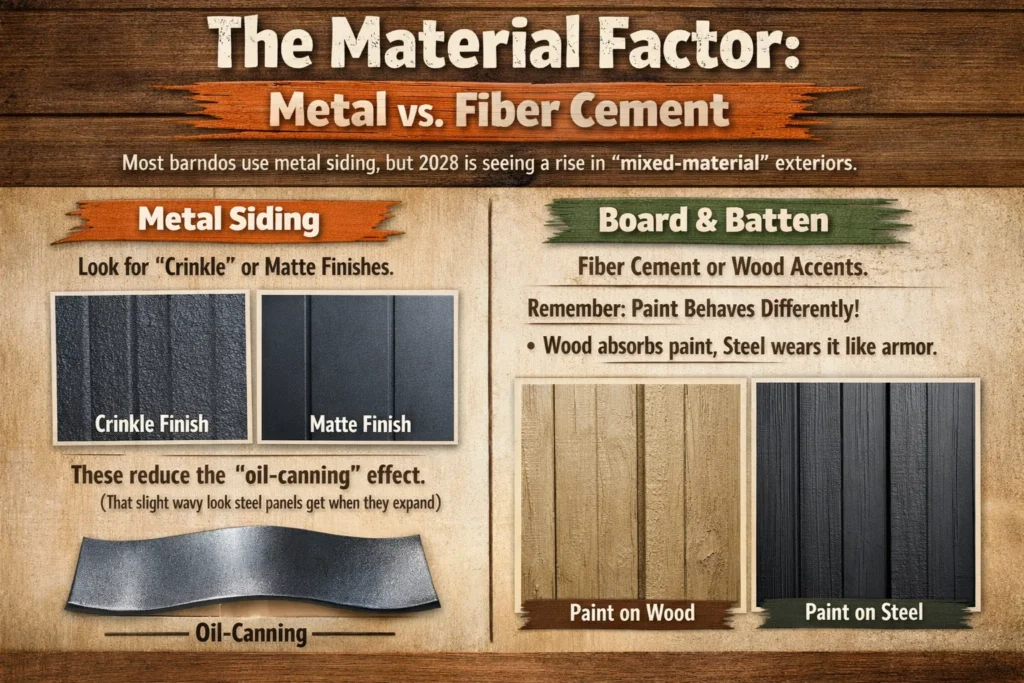
Most barndos use metal siding, but 2026 is seeing a rise in “mixed-material” exteriors.
- Metal Siding: Look for “Crinkle” or matte finishes. These reduce the “oil-canning” effect (that slight wavy look steel panels get when they expand).
- Board and Batten: If you’re using fiber cement or wood accents, remember that paint behaves differently on wood than it does on steel. Steel doesn’t “soak in” color; it wears it like armor.
Regional Architecture and Harmony
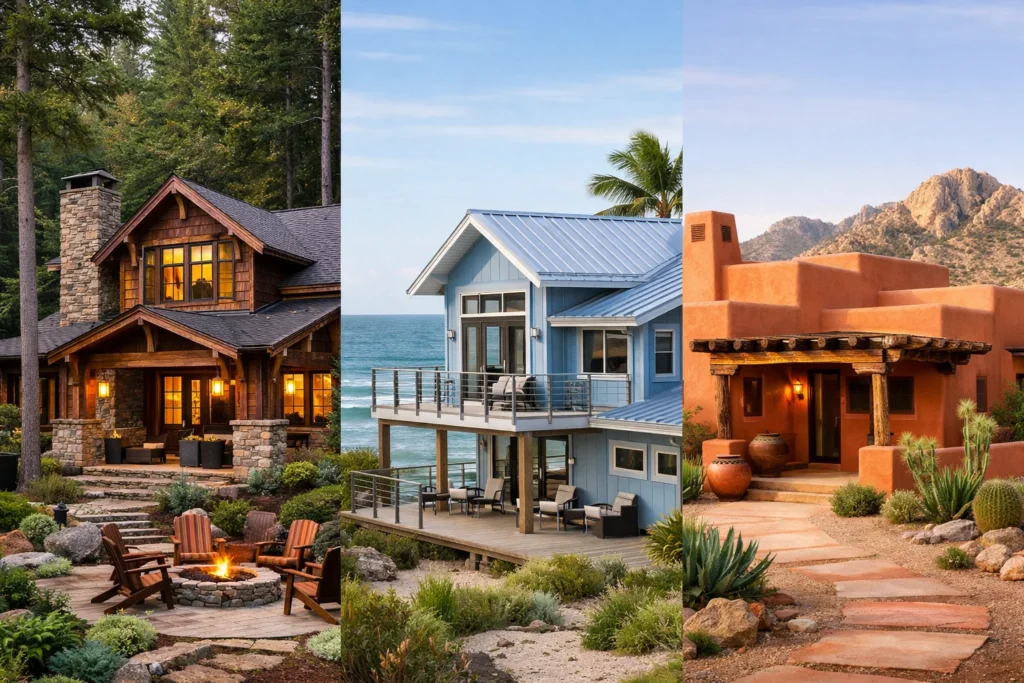
You don’t want your home to be the “sore thumb” of the county.
- Wooded Lots: Lean into the greens and deep browns.
- Coastal Regions: Reflective silvers (like Galvalume) or mist blues are unbeatable for reflecting heat and resisting the corrosive salt air.
- Desert Builds: Terracotta and “Southwest Pottery” tones aren’t just trendy; they blend with the dust and dirt, meaning you’ll wash your house less often.
Important Exceptions and Limitations
As an experienced writer in this space, I have to give you the “fine print” that most glossy brochures skip over.
The Digital Rendering Trap
Looking at Barndo colors on your iPhone 17 is not the same as looking at them in the wild. A screen is backlit; a house is front-lit. Always always get a physical sample of the metal panel and look at it at 8:00 AM, 12:00 PM, and 6:00 PM. The color will change drastically.
HOA and CC&R Restrictions
Even if you’re building in a rural area, many newer “barndominium communities” have strict rules about color. They often mandate “Earth Tones” and might even ban certain high-gloss finishes. Check your paperwork before you order.
The “Fading” Reality
In 2026, we have two main types of coatings: SMP (Silicone Modified Polyester) and PVDF (Kynar 500).
- SMP is cheaper and harder (resists scratches).
- PVDF is the gold standard for color retention. If you choose a dark color like “Inkwell” or “Dark Auburn,” you should insist on a PVDF coating. Otherwise, your vibrant blue could turn into a dusty gray within a decade.
FAQ: Choosing Your Barndo Colors
What are the most popular Barndo colors for 2026?
The clear winner this year is Universal Khaki (SW 6150). It reflects the “Modern Heritage” movement perfectly it’s warm, sophisticated, and looks incredible with black windows and natural stone.
Do dark barndo colors make the house hotter?
Technically, yes. However, many 2026 metal siding manufacturers now use “Cool Roof” pigments. These are infrared-reflective pigments that allow a dark color to act like a light color, reflecting heat away even if the house looks black.
What trim colors work best for a barndominium?
In 2026, “tonal” trim is the way to go. Instead of a stark white trim on a gray house, try a dark gray trim on a light gray house. It creates a sleek, expensive, “architect-designed” look that boosts curb appeal significantly.
Can I use two different siding colors?
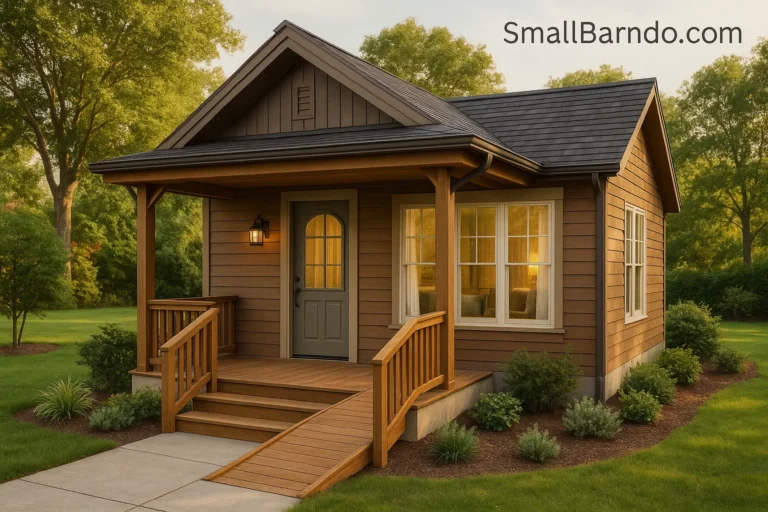
Absolutely. The “two-tone” barndo is very popular right now. A common configuration is a darker “wainscoting” (the bottom 3–4 feet of the wall) with a lighter color on top. This protects the bottom of your house from mud splatter while keeping the overall look light and airy.
Conclusion: Making Your Final Choice
Selecting the right palette for your barndominium is a balancing act between personal expression and environmental harmony. In 2026, the most successful designs are those that embrace “Modern Heritage” using Barndo colors like Universal Khaki, Silhouette, or Pewter Green to create a home that feels both cutting-edge and timelessly grounded.
Whether you opt for a high-contrast charcoal or a soft, sunbaked terracotta, remember that your exterior is the first chapter of your home’s story. It is the boundary between the busy world and your private sanctuary. Take your time, look at the samples in the sunlight, and trust your gut.