15 Ultimate 30×40 Metal Building Layouts for Shops and Tiny Homes
For many of us, the dream isn’t a sprawling mansion with rooms we never visit; it’s a space that finally makes sense. Imagine waking up in a home where every square inch serves a purpose, or stepping just twenty feet from your kitchen into a professional-grade workshop where the world slows down, and your projects come to life. A 30×40 metal building represents more than just 1,200 square feet of steel and concrete; it represents freedom. Whether you are escaping the clutter of a cramped garage or building a “forever” tiny home that won’t rot or warp, these layouts provide the ultimate blueprint for a life better designed.
Table of Contents
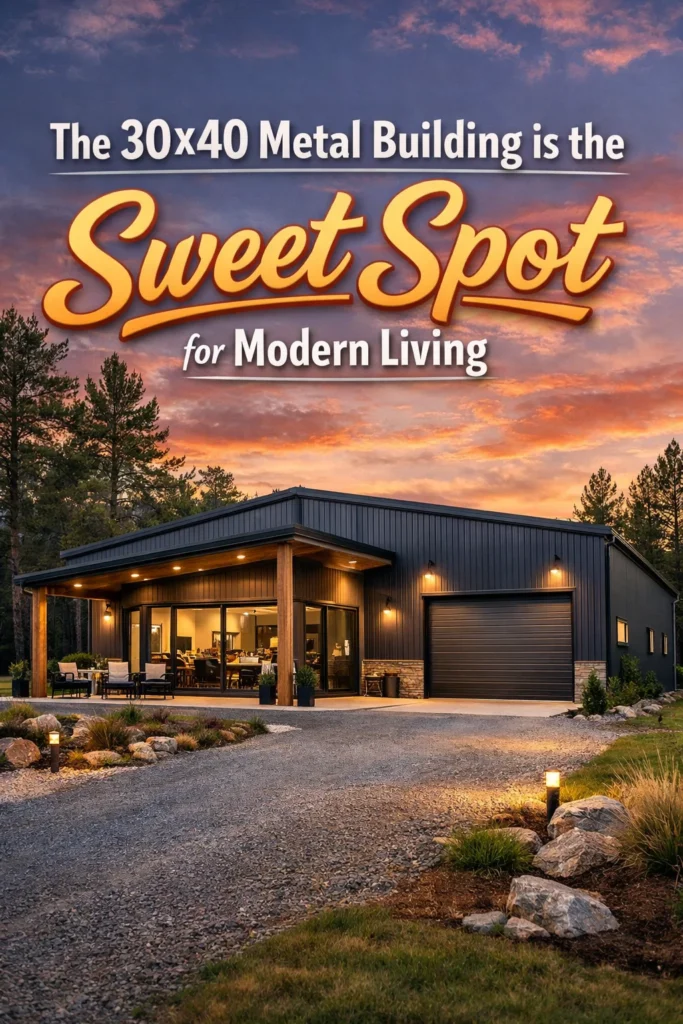
Why the 30×40 Metal Building is the “Sweet Spot” for Modern Living
When you start looking at floor plans, you’ll quickly realize why the 1,200-square-foot footprint is widely considered the “Goldilocks” of the metal building world. It is large enough to house a comfortable three-bedroom home or a massive four-car shop, yet small enough to fit on most residential lots without overwhelming your landscape or your budget.
The Clear-Span Advantage
Unlike traditional wood-frame houses, a 30×40 metal building uses a “clear-span” design. This means the weight is supported by the exterior steel frames, not by interior walls. For you, this translates to total creative freedom. You can put your kitchen, bedrooms, or workshop benches anywhere you want without worrying about “load-bearing” obstacles.
Cost-Efficiency in 2026
In today’s market, cost is everything. A basic 30×40 metal building kit typically ranges from $15,000 to $25,000 for the materials alone. If you’re looking for a turnkey solution including the foundation, delivery, and professional labor, you can expect to spend between $28,000 and $46,000 for a weather-tight shell. Compared to traditional construction, which can easily double those figures, the metal route is an accessible entry point for new homeowners and hobbyists alike.
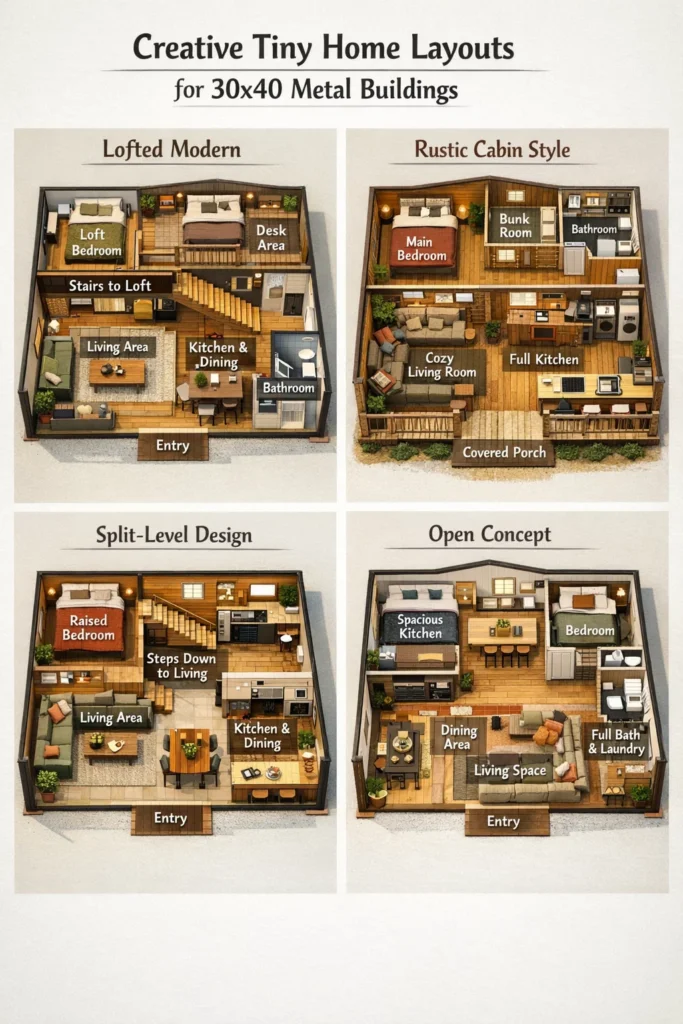
5 Creative Tiny Home Layouts for 30×40 Metal Buildings
Converting a 30×40 metal building into a residence requires you to focus on “zones.” You aren’t just building a box; you’re crafting a sanctuary. Here are five of the most effective residential configurations for 2026.
The Modern Rancher (2 Bed, 2 Bath)
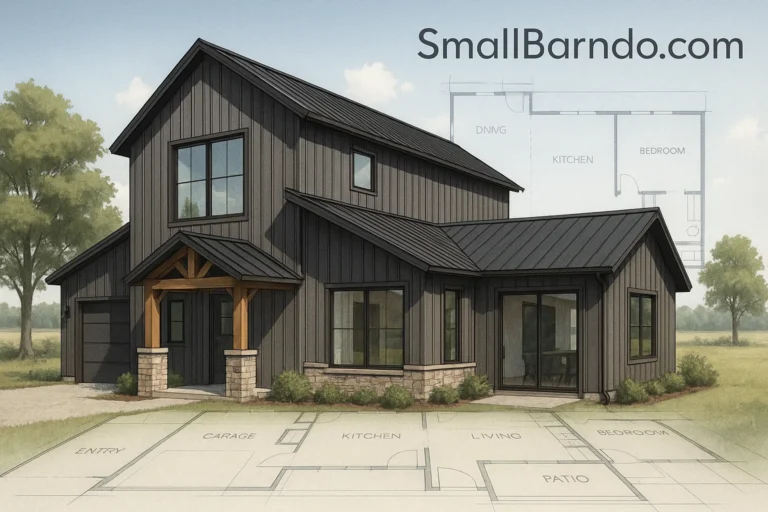
This is the quintessential family layout. By utilizing a split-bedroom plan, you place the master suite on the far left and the guest bedroom on the far right. The central 20 feet of the building becomes a massive, open-concept “Great Room.”
- Why it works: It maximizes privacy and makes the 1,200 square feet feel like 2,000 by removing dark hallways.
- Expert Tip: Use a 4:12 roof pitch to give the exterior a traditional home aesthetic that blends into any neighborhood.
The Open-Concept Industrial Studio
If you love the “loft” look, this layout is for you. You keep the interior walls to an absolute minimum, usually just for the bathroom and a walk-in pantry.
- Design Highlight: Polished concrete floors and exposed steel beams give this a high-end, gallery feel.
- Utility: It’s the easiest layout to clean and the most flexible if you decide to change your furniture arrangement later.
The Two-Story Family Hub
Don’t let the 30×40 footprint limit you to one floor. By adding a mezzanine or a full second story, you can double your living space to 2,400 square feet.
- The Layout: Keep the ground floor for your kitchen, dining, and a massive mudroom. Place all 3 or 4 bedrooms upstairs.
- Budget Note: Mezzanines require “beefier” steel supports, so expect your kit price to increase by about 20%.
The Minimalist L-Suite
In this layout, you tuck your living quarters into an “L” shape along two walls. This leaves the remainder of the 1,200 square feet for a unique “indoor-outdoor” flex space, such as an indoor garden or a massive hobby area.
- Best for: Singles or couples who want a small, cozy living area but a huge space for their passions.
The Triple-Bedroom Cabin
Yes, you can fit three bedrooms into 1,200 square feet without feeling claustrophobic. By clustering compact 10×12 bedrooms around a central hallway, you prioritize sleeping capacity.
- Ideal for: A vacation rental or a small family home on a budget.
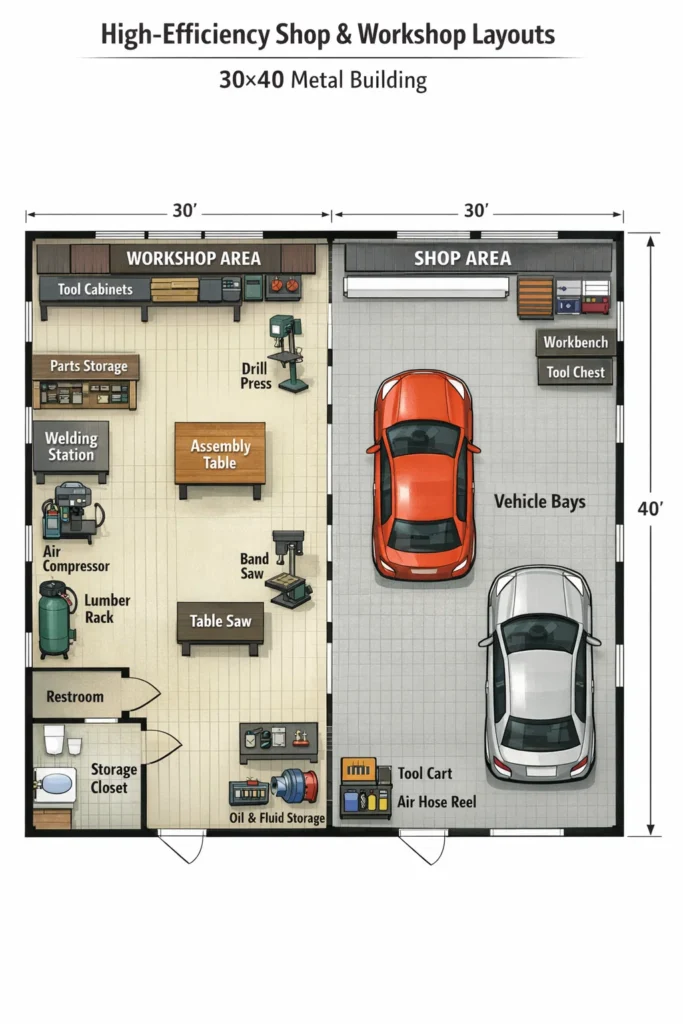
High-Efficiency Shop and Workshop Layouts
If your goal is more “grease” than “guests,” your 30×40 metal building is the perfect canvas for a professional-grade shop.
The Quad-Bay Garage
For the car collector, this is the gold standard. By installing four 10-foot roll-up doors along the 40-foot side, you get easy access to every vehicle without having to play “musical cars.”
- Key Feature: Plenty of room for a lift in at least one bay if you opt for 12-foot or 14-foot eave heights.
The Woodworker’s Sanctuary
Woodworking creates dust lots of dust. This layout features a dedicated “dirty zone” for your table saw and planer, with a separate, enclosed “finishing room” (roughly 10×15) where you can apply stain and paint in a dust-free environment.
- Pro Tip: Plan your electrical “drops” from the ceiling so you aren’t tripping over cords on the floor.
The RV Command Center
You need height for a motorhome. This layout typically uses one 14-foot high door on one side and a standard 10-foot door on the other.
- Bonus: Use the extra vertical space above the standard garage side for a storage loft to keep your camping gear organized.
The Commercial Flex-Space
Are you running a small business? This layout includes a small 10×10 climate-controlled office and a bathroom near the front entrance, leaving over 1,000 square feet of open warehouse space for inventory and operations.
The Multi-Sport Gym and Studio
With the rise of home fitness, many are using the 30×40 footprint for half-court basketball setups or professional-level CrossFit boxes.
- Layout: Half the space for heavy weights and rubber flooring, the other half with high ceilings for overhead movement.
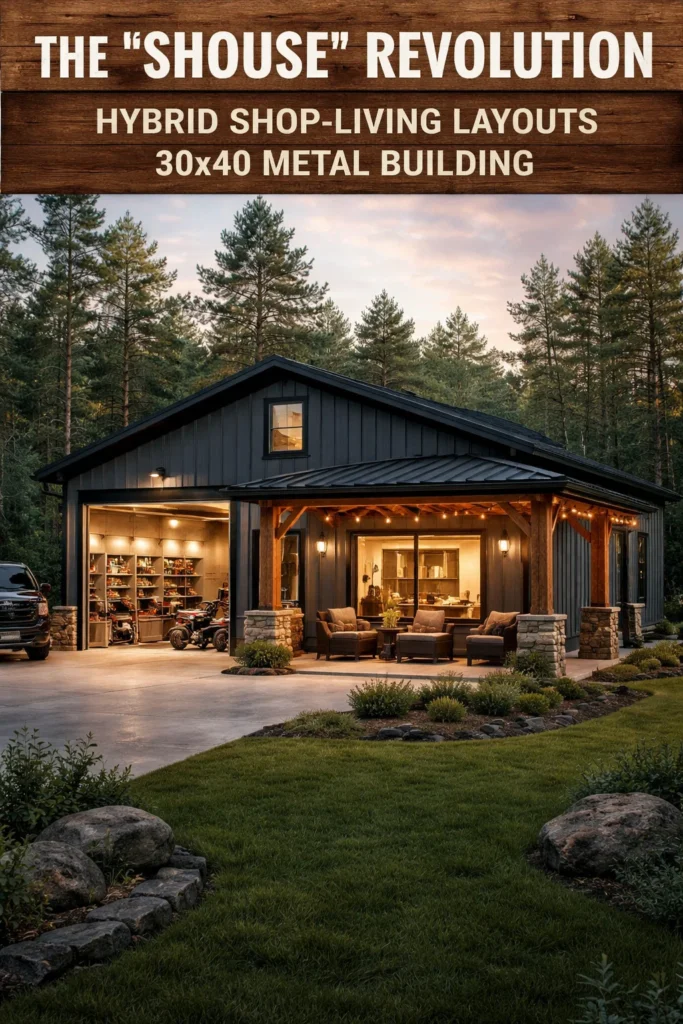
The “Shouse” Revolution: 5 Hybrid Shop-Living Layouts
The “Shop-House” (or Barndominium) is the fastest-growing construction trend in 2026. These layouts allow you to live where you work.
- The 50/50 Split: Simple and effective. One 20×30 side is a 1-bedroom apartment; the other 20×30 side is your shop. A fire-rated wall separates the two.
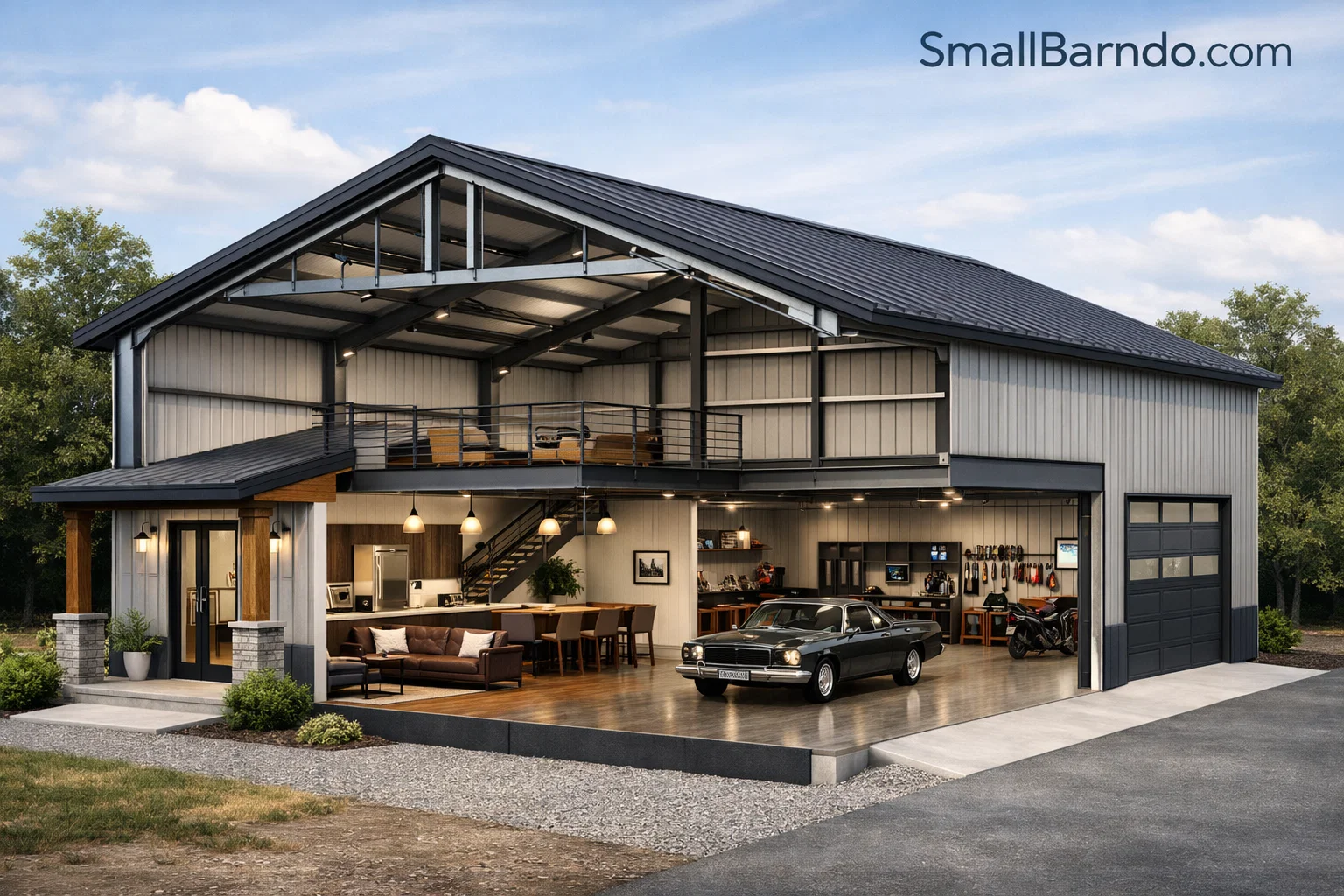
- The Lofted Living: You build your living quarters on a mezzanine overlooking the shop. This keeps your entire 1,200 sq. ft. floor available for heavy machinery or cars.
- The “Man Cave” Deluxe: A small kitchenette and bar are built into a corner of the shop, separated by large glass windows so you can admire your cars while you eat.
- The Side-Car Layout: You run the living quarters along one of the 40-foot walls (about 12 feet deep). This gives you a long, narrow home and a wide, functional shop area.
- The Office-Industrial: Perfect for the “solopreneur.” A client-facing office at the front with a private residence and shop access in the rear.
Critical Considerations and Limitations
Before you order your 30×40 metal building, you must understand the “exceptions and conditions” that come with steel construction.
Insulation: Your Biggest Hidden Cost
Metal is a champion at conducting heat. Without proper insulation, your building will “sweat” (condensation), leading to rust and mold.
- Closed-Cell Spray Foam: The gold standard in 2026. It costs $1.00 to $1.50 per board foot but acts as both a vapor barrier and structural reinforcement.
- Fiberglass Batts: Cheaper ($0.30 to $0.50 per sq. ft.), but they can sag over time and trap moisture against the metal skin.
Zoning and The “Aesthetic Clause”
Don’t assume you can put a metal building anywhere. Many municipalities have laws against “agricultural-looking” structures in residential zones. You might be required to add:
- Wainscoting: A different colored metal panel on the bottom 3 feet.
- Traditional Siding: Some codes require you to finish the exterior in Hardie Plank or vinyl so it looks like a “normal” house.
The Foundation is Not “Just a Slab”
A 30×40 slab typically costs between $4 and $8 per square foot. However, if you are building a home, your foundation must often be “frost-protected,” meaning the footings must go below the frost line. This can easily add $5,000 to your site prep budget.
Comparison: Metal vs. Traditional Wood Framing
| Feature | 30×40 Metal Building | 30×40 Wood Frame |
| Construction Time | 2–4 Weeks (Fast) | 2–4 Months (Slow) |
| Fire Resistance | High (Non-combustible steel) | Low (Wood burns) |
| Pest Resistance | Termite Proof | Vulnerable to rot/pests |
| Interior Flexibility | High (Clear-span) | Low (Load-bearing walls) |
| 2026 Kit Price | ~$20,000 | ~$35,000+ |
FAQ: Your 30×40 Metal Building Questions Answered
How many cars can I actually fit in a 30×40 shop?
While you can technically “squeeze” six cars in, you will have no room to work. For a functional shop where you can open doors and move tools, four cars is the realistic limit.
Can I build a 30×40 metal building kit myself?
Absolutely. In 2026, many “bolt-up” kits are designed for the DIYer. If you have a few friends and a telehandler rental, you can erect the shell in a weekend, saving you roughly $5,000 to $10,000 in labor costs.
What is the biggest mistake people make with 30×40 layouts?
Underestimating storage. Because the building is a perfect rectangle, people often forget to “carve out” space for mechanicals (water heaters, HVAC, electrical panels). Always dedicate at least 50 square feet to a utility closet.
Conclusion
Choosing a 30×40 metal building is a high-value investment in your lifestyle. Whether you’re looking for the efficiency of a tiny home or the rugged utility of a dream shop, the versatility of steel is unmatched in 2026. By focusing on smart zoning, high-quality insulation, and a layout that matches your daily flow, you can build a structure that lasts a lifetime.