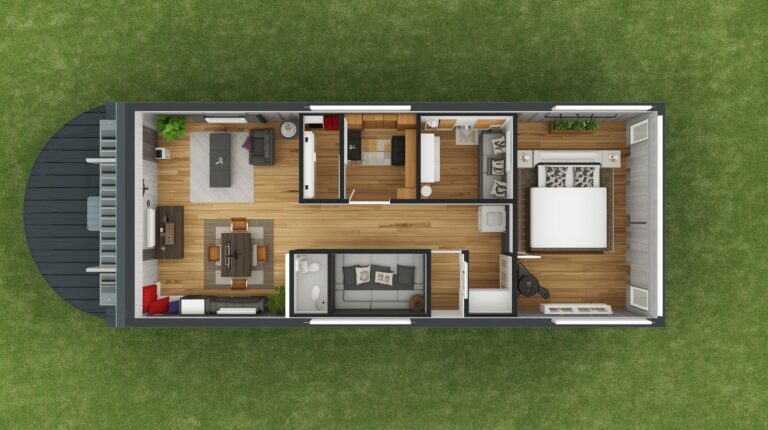

35 Exquisite Small Luxury Homes: Floor Plans and Designer Interior Photos
I remember standing in the sprawling, echoing rooms of a friend’s newly-built mansion, feeling… empty. The sheer volume of space, while breathtaking, felt more like a commitment to endless cleaning and maintenance than a true sanctuary. It was an awakening. The true definition of luxury isn’t measured in square footage; it’s measured in quality of life in the custom-milled cabinetry that feels smooth under your hand, the high-end appliances that make cooking a joy, and the energy efficiency that grants financial freedom.
The world is shifting. We are collectively rejecting the unsustainable burden of the mega-home and embracing an intentional, curated life. We want a home that is an exquisite jewel box filled with what we love, free of what we don’t, and perfectly positioned for living life to the fullest. This is the heart of the small luxury homes movement.
This article is your passport to that new reality. We’ve curated 35 of the most exquisite small luxury homes, ranging from 400 to 2,000 square feet, complete with inspiring floor plans and stunning designer interior photos. Get ready to discover how to live grandly by choosing to live smartly. Your journey toward a refined, manageable, and truly luxurious existence begins right here.
Table of Contents
Defining Small Luxury Homes: Quality Over Quantity
When you hear the term “luxury,” your mind might conjure images of vast ballrooms or multi-acre estates. In the context of a small footprint, however, “luxury” takes on a different, more profound meaning. It signifies an unwavering commitment to investing in superior materials, precision engineering, and highly customized, smart design rather than merely investing in sheer size. Understanding this scope is the first, crucial step in your journey to owning a stunning, manageable home.
What Constitutes a Small Luxury Home?
To be clear, we are moving beyond the highly restrictive category of the traditional “tiny home” and focusing on residences that merge practical living space with uncompromising quality.
- Size Range:Small luxury homes are typically defined as permanent, standalone residences or high-end condominium units between 400 and 2,000 square feet.
- Note on Exceptions and Conditions: Homes under 400 square feet (tiny homes) often face significant regulatory hurdles related to zoning, septic, and minimum square footage requirements, which can severely limit their financing and long-term investment viability. Our focus rests on designs that meet standard residential codes for maximum stability and resale.
- The Luxury Benchmark (The 3 Cs): True luxury in this category is achieved by maximizing these three non-negotiable qualities:
- Customization: Bespoke features, architectural design tailored to the specific lot, custom millwork, and personalized layout adjustments that meet your exact lifestyle needs.
- Craftsmanship: High-end construction standards, including commercial-grade insulation, triple-pane windows, and premium materials like natural stone countertops, solid hardwood floors, and designer plumbing/lighting fixtures.
- Comfort/Convenience: Integrated, seamless smart home technology, professional-grade kitchen appliances, and spa-like bathrooms that elevate daily routine to a ritual.
Comparison: Small Luxury Home vs. Larger Traditional Home
In today’s market, where rising construction costs and interest rates have pushed the median new home size in the US to an average of around 2,200 square feet, opting for a high-quality home under this threshold is a conscious financial and philosophical choice.
| Feature | Small Luxury Home (Under 2,000 sq. ft.) | Traditional Large Home (3,000+ sq. ft.) |
| Material Investment | Concentrated budget on premium materials per square foot. | Budget spread thin; often uses standard-grade materials. |
| Energy Efficiency | High; designed for minimal energy consumption and often features advanced systems. | Lower; larger volume makes heating/cooling inefficient and expensive. |
| Maintenance Burden | Low; minimal time required for cleaning and upkeep. | High; constant commitment to cleaning and system maintenance. |
| Location Flexibility | Higher; often more affordable to situate in prime, desirable locations (city, waterfront). | Lower; budget often requires locating further from core urban/amenity centers. |
- Key Data Point: According to recent 2025 housing data, the desire for homes in the 1,600 to 1,999 square foot range is strong among homebuyers, affirming that the market is actively shifting towards this perfect blend of size and efficiency.

35 Floor Plans and Interior Designs: A Curated Gallery of Small Luxury Homes
The thirty-five designs presented here, a mix of architectural styles, are not simply smaller versions of big houses; they are examples of sophisticated, purpose-driven architecture. Each represents a triumph of thoughtful floor-planning and high-end design, categorized here by size for easier browsing.
The Executive Retreat (Under 1,000 sq. ft.)
These plans focus on ultra-efficient, highly personalized design. Every inch serves a dual purpose, and the technology is seamlessly integrated to enhance convenience. This size is ideal for couples, single professionals, or as an upscale, low-maintenance weekend getaway.
- Focus: Ultra-efficient, minimalist design with a high concentration of bespoke, automated features.
- Key Design Features: Open concept living with clear zoning, integrated storage that disappears into the walls, and high-volume ceiling spaces to maximize light and scale.
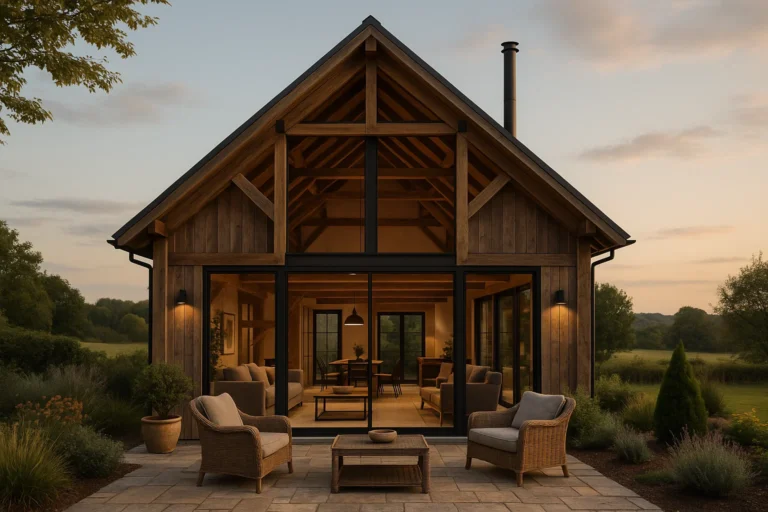
- #1-5: Single-story modern farmhouse with a cleverly hidden stackable laundry unit and an outdoor dining area accessible via a multi-slide door.
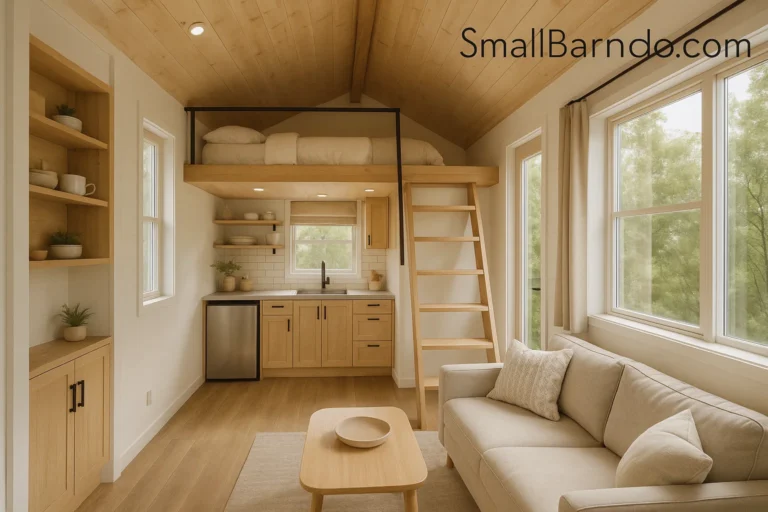
- #6-10: Two-story contemporary design, utilizing the vertical space for a luxurious sleeping loft and a dedicated, light-filled home office nook on the main level.
The Family-Friendly Gem (1,000 – 1,500 sq. ft.)
This range proves that comfortable family living doesn’t require excessive space. The key is smart spatial separation, strategic sightlines, and maximizing outdoor connection.
- Focus: Smart spatial separation, maximizing bedrooms, and utilizing covered outdoor living areas.
- Key Design Features: Two to three bedrooms, designated mudrooms/drop zones to contain clutter, and intelligent flow design that prioritizes movement and connection over large, empty rooms.
- #11-15: Craftsman-style home featuring a wraparound porch and an indoor/outdoor wet bar concealed within a custom kitchen cabinet, perfect for entertaining.
- #16-20: Scandinavian-inspired design with a clean, neutral palette, emphasizing floor-to-ceiling shelving and large windows to create a naturally lit, open atmosphere.
The Spacious Sanctuary (1,501 – 2,000 sq. ft.)
These homes comfortably accommodate high-end features like a spacious primary suite or a dedicated hobby room, all while staying fiscally and environmentally responsible.
- Focus: Incorporating high-end amenities typically found in much larger homes, such as a large walk-in pantry or a dedicated media space.
- Key Design Features: Dedicated primary suite retreats with walk-in closets and spa-level bathrooms, flex rooms for a gym or media space, and the strategic use of high-volume ceilings (vaulted or cathedral) to enhance the sense of scale and luxury.
- #21-25: Luxury bungalow with a gourmet kitchen featuring a commercial-grade range and a custom wood-hood, serving as the functional and aesthetic heart of the home.
- #26-30: Contemporary coastal design with a large screened-in porch, effectively adding valuable, weather-protected living space without increasing the heated square footage.
Design Deep Dive: The Top 5 Exquisite Interiors
The remaining five examples showcase specific luxury details that define this category. These are the elements where the cost savings from a smaller size are reinvested to create maximum impact.
- #31: The Biophilic Bath: A design featuring a freestanding sculptural soaking tub, natural stone finishes, and an integrated indoor garden wall with subtle up-lighting, a true in-home spa experience.
- #32: The Smart Kitchen Core: Outfitted with fully integrated, discreet smart appliances, including a hidden microwave drawer and a custom-built, full-height pantry that utilizes every inch of vertical space.
- #33: The Vaulted Great Room: Showcasing dramatic, high-volume ceilings and statement sculptural lighting fixtures that instantly create an opulent feel, drawing the eye upward and outward.
- #34: The Discreet Home Office: A beautifully hidden workspace that folds seamlessly into a wall of custom-stained wood paneling or is concealed behind a sliding library wall, allowing you to “switch off” work instantly.
- #35: The Sustainable Cornerstone: Featuring reclaimed wood accents, sophisticated air filtration systems, and a green roof section, proving that the highest luxury is often in a responsible, healthy environment.
The Top Luxury Design Trends for Small Footprints (2025 Edition)
Luxury in a smaller space is a science of intention. It requires deliberate choices to maximize comfort, style, and long-term value. These are the current trends dominating the market for small luxury homes.
Integrated Technology and Wellness
The modern luxury buyer expects technology to work silently and efficiently in the background, promoting well-being and ease.
- Discreet Smart Home Integration: Technology is not visible; it is seamless. You won’t see clunky controls; you’ll experience automated climate control, layered lighting, and security managed from voice commands or a hidden panel. This discreet approach is key to maintaining a clean, clutter-free aesthetic.
- Home Wellness Spaces: A rising trend is transforming a flex room or even a cleverly partitioned area into a dedicated wellness space. This could be a compact infrared sauna, a dedicated meditation nook, or a spa-level shower with aromatherapy integration.
Sustainability and Premium Materials
The true hallmark of luxury today is longevity and ecological mindfulness. Using superior materials reduces environmental impact and the need for frequent replacement.
- Sustainable Luxury: This involves using eco-friendly, low-VOC materials and practices, such as reclaimed wood, recycled metals, and sustainably sourced stone. This commitment aligns with the values of high-net-worth buyers seeking a lower environmental footprint without compromising on aesthetic quality.
- Focus on Texture and Earthy Neutrals: Designers are moving away from stark white walls. They are utilizing textured walls (think decorative plaster, linen wallpapers, or vertical shiplap) and a palette of earthy neutrals (soft grays, sage greens, and warm terracotta) to add depth, warmth, and visual interest, which prevents a small space from feeling sterile.
Multi-Functional and Flowing Spaces
The goal is to trick the eye and the mind into perceiving more space than is physically present.
- Maximizing Vertical Space: In a small home, the ceiling height becomes the fifth wall. Utilizing high ceilings for towering, integrated storage, dramatic statement lighting, or artistic display draws the eye up, enhancing the home’s perceived volume.
- Disappearing Walls and Indoor-Outdoor Flow: The strategic use of large, sliding or stacking glass doors allows you to seamlessly blend the interior living room with the outdoor patio or deck. This effectively expands the home’s usable square footage for several months of the year.
- Limitation of Information: While this feature is highly desirable, you must factor in the climate. Large-format, high-efficiency glass door systems are a significant, high-cost investment and may not be energy-efficient or practical in regions with extremely cold winters or high-wind coastal zones. Always consult with a structural engineer and a local energy expert.
The Financial and Lifestyle Benefits of Small Luxury Homes
Choosing a smaller home is an act of financial and personal liberation. Your investment shifts from maintaining vast, often-unused space to enjoying uncompromised, manageable quality.
Financial Advantages: Investing in Quality, Not Air
By reducing your square footage, you unlock significant capital and long-term savings.
- Lower Construction Costs (A Strategic Budget Shift): The overall price of a sub-2,000 sq. ft. home is fundamentally lower than a mega-home. This frees up capital that you can strategically re-allocate to premium finishes, ensuring a higher value per square foot and better long-term appreciation.
- Significant Ongoing Savings: Your operational costs are dramatically reduced:
- Lower Utility Bills: A smaller, well-insulated, and modern home can consume up to 50-70% less energy for heating and cooling compared to an older, sprawling home (Source: Industry Energy Data).
- Reduced Overhead: Lower property taxes, lower insurance premiums, and reduced repair costs for a smaller roof or fewer exterior walls.
- A “Debt Freedom” Mindset: A smaller mortgage commitment provides greater financial flexibility. This freedom is the ultimate luxury, allowing you to allocate resources toward travel, investment, or personal pursuits rather than a decades-long commitment to oversized debt.
Lifestyle Benefits: More Living, Less Upkeep
The most valuable commodity in your life is time. A small luxury home gives you more of it.
- Effortless Maintenance: Less square footage directly translates to less time spent cleaning, managing, and maintaining the property. This is a non-negotiable benefit for busy professionals and those focused on an active lifestyle outside the home.
- Curated, Intentional Living: A smaller, highly designed space forces you to be intentional about what you own. This necessary decluttering leads to a more peaceful, minimalist, and stress-free environment where everything you possess has a purpose and a place.
- Location Advantage: Your reduced home budget often allows you to secure a prime, highly desirable real estate location, a downtown area with walkable amenities, a coveted school district, or a piece of waterfront property that would have been financially out of reach if you had insisted on a larger physical structure.
FAQ – Your Questions About Small Luxury Homes Answered
What size are small luxury homes considered, and why not tiny houses?
Small luxury homes typically range from 400 square feet up to 2,000 square feet. We focus on this range because it is built to traditional residential standards, making it eligible for conforming mortgages, standard insurance, and traditional appreciation rates. Tiny houses (under 400 sq. ft.) often face significant legal, zoning, and financing challenges that limit their long-term viability as a primary, appreciating asset.
Is a small luxury home a good investment compared to a large estate?
Yes, often a better one. Your investment is concentrated in premium finishes, structural quality, and desirable location, which all contribute highly to value retention and appreciation. While an estate’s value is tied up in raw square footage, a small luxury home’s value is in the high quality of its components and its operational efficiency, making it more appealing to the growing market of discerning, efficiency-minded buyers.
What is the biggest challenge of living in a small luxury home?
The biggest limitation you will face is managing your possessions. While high-end design incorporates intelligent, built-in storage, the space demands a disciplined, minimalist lifestyle. You must embrace a “one-in, one-out” policy, as there simply is not enough space for extensive collections or excessive, bulky items. This is a lifestyle adjustment that requires commitment but ultimately leads to a less cluttered, more focused life.
Conclusion: The Uncompromised Life
The 35 exquisite small luxury homes we’ve explored prove a timeless, profound principle: magnificence is found in the detail and the intention, not the dimension. By embracing a smaller, more intentional footprint, you are not downsizing; you are, in the truest sense of the word, upgrading your lifestyle. You gain financial freedom, dramatically reduce the stress of upkeep, and curate a masterpiece of a home where every object and every architectural corner serves a purposeful, beautiful function.
True modern luxury is the freedom to live life on your own terms. Your new sanctuary awaits, built around your life, not demanding your life to be built around it.