25 Timeless Tuscan Farm House Designs: Photos, Plans, and Rustic Elegance
There is a quality to the Italian countryside, specifically the rolling, sun-drenched hills of Tuscany, that speaks to the very soul. It’s a feeling of slow living, of history etched into every stone, and of a profound connection to the earth. Have you ever scrolled through images of a magnificent Italian retreat and felt an involuntary sigh escape your lips? That is the essence of the Tuscan Farm House, not just a building, but a sanctuary of rustic elegance, built to last for generations. It is where simplicity meets sophistication, and where the past is beautifully preserved for a modern, mindful life.
This article is your personal journey into that dream. We’ve curated 25 of the most timeless and inspiring Tuscan farmhouse designs, offering a complete look at their architectural DNA, floor plans, and the key elements that define their enduring rustic elegance. Whether you’re planning a new build, a major renovation, or simply want to infuse your current home with the spirit of the casa colonica, prepare to be transported to a simpler, more beautiful way of living. We will guide you through the process of choosing the right materials, understanding the classic layouts, and incorporating the subtle design shifts that make a modern Tuscan Farm House truly spectacular.
Table of Contents
The Anatomy of a Tuscan Farm House: Architectural Essentials
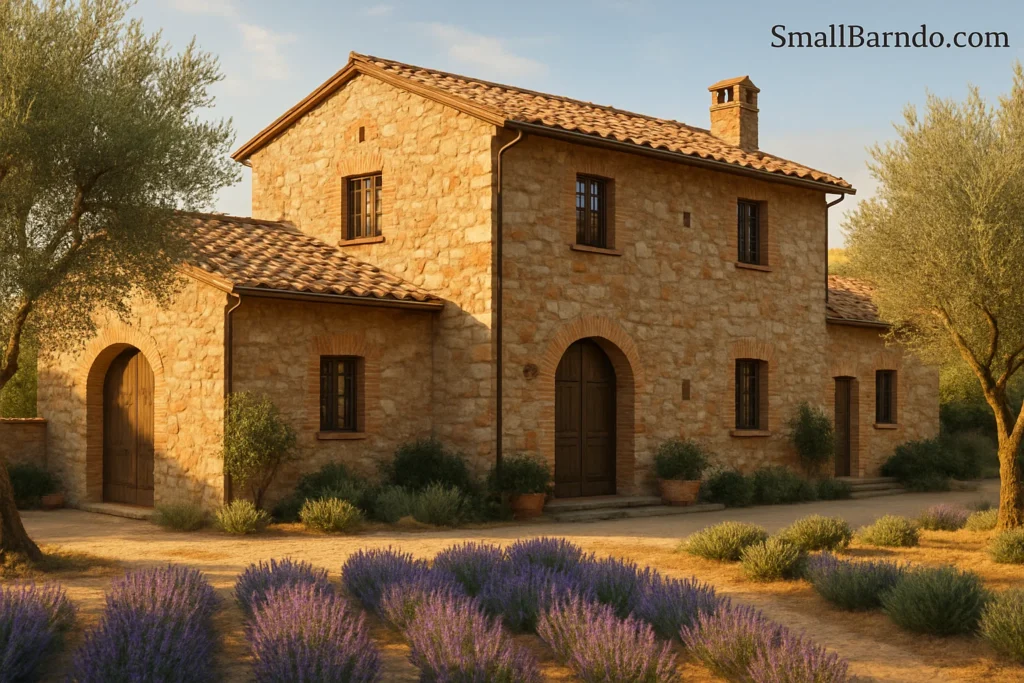
To truly appreciate the designs, you must first understand the fundamental architectural elements that define a genuine Tuscan Farm House. These homes evolved out of necessity. The casa colonica, or “farmer’s house,” was designed for function, using locally available materials for superb durability, but has been refined over centuries into a globally celebrated style.
Exterior Features: Stone, Stucco, and Sturdiness
The external presence of a Tuscan farmhouse immediately communicates strength and age, a quality you can recreate in your own design.
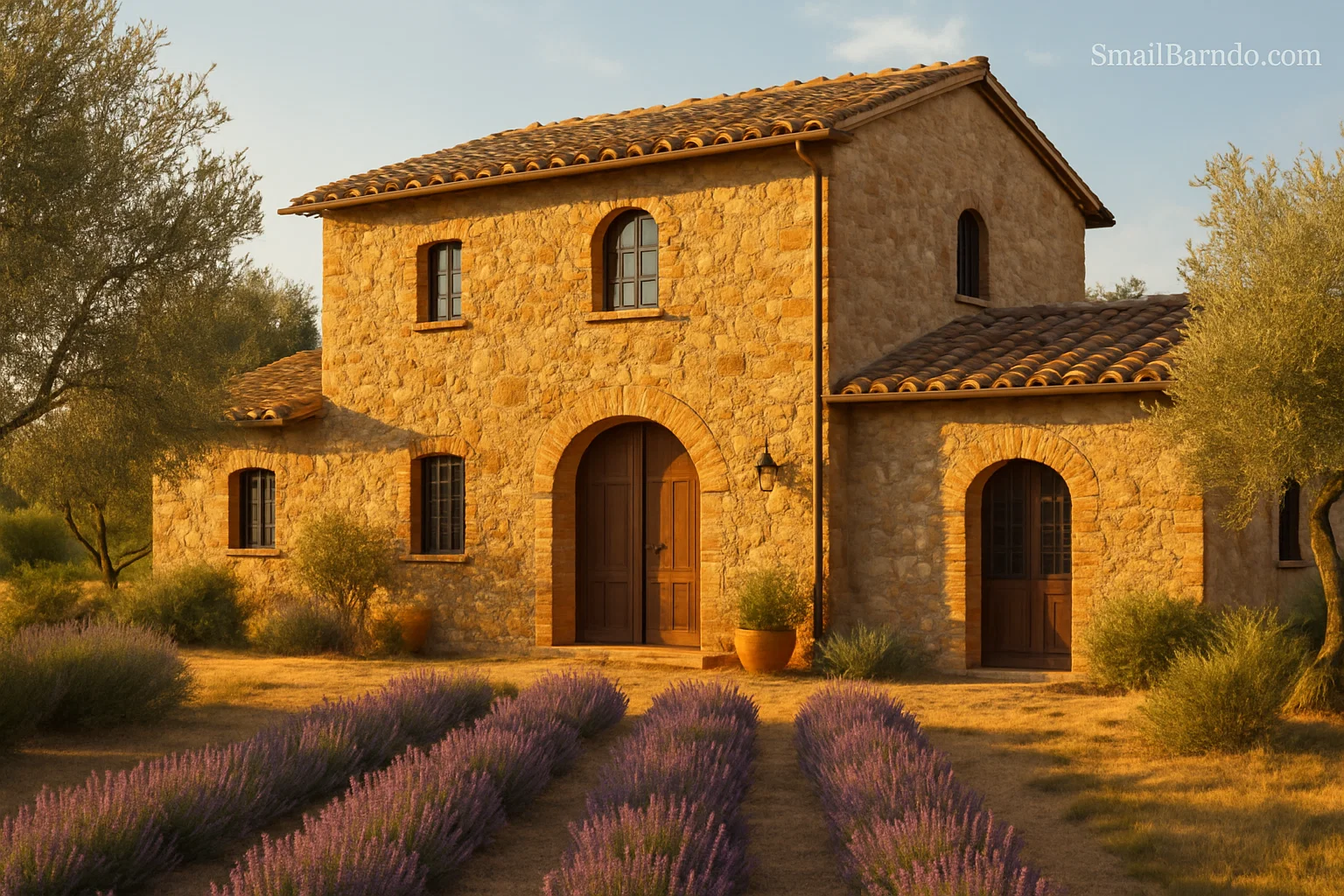
- Thick, Textured Walls: Traditionally, these were built from locally sourced, irregularly sized materials like limestone, sandstone, or travertine. The walls were substantial, often over a foot thick, which served a critical function: natural insulation. This structural thickness is a major factor in the energy efficiency of original homes, keeping interiors cool during the hot Tuscan summers. Today, you can achieve this aged look using textured, rough-cut stone veneers or a traditional limewashed stucco, which softens the façade and allows the material to breathe.
- Terracotta Tile Roofs: This is perhaps the most iconic feature. Low-pitched roofs covered in signature red clay or terracotta barrel tiles (coppi or tegole) are a non-negotiable component of the style. The curved shape of the tiles was originally designed to effectively shed the region’s rainfall, a testament to practical design.
- Arched Openings: Notice the elegant, rounded arches over doorways, windows, and along covered porches, known as loggias. These arches provide an element of classical elegance, tracing their roots back to Roman architecture, while also offering structural stability in the thick stone walls.
Key Architectural Details
These details are what transform a simple stone house into a captivating Tuscan Farm House.
- Exposed Wooden Beams: Look up in any authentic farmhouse, and you’ll see massive, often reclaimed or rough-hewn, dark-stained wood beams supporting the ceilings. These are typically chestnut wood and bring incredible warmth, texture, and rustic authenticity to both vaulted and paneled ceilings.
- Wrought Iron Accents: Used sparingly, wrought iron appears in window grilles (a historic security feature), simple stair railings, and clean-lined light fixtures. The trend today leans away from the overly ornate, curlicue ironwork of the 1990s Tuscan revival, favouring simple, blackened steel for a cleaner, more modern rustic feel.
- Courtyards and Loggias: The design prioritizes the alfresco lifestyle. A central courtyard or a shaded, covered loggia (an open-sided gallery) is essential for enjoying meals, gathering with family, and seamlessly blending your indoor and outdoor living spaces.
Interior Design DNA: Rustic Elegance and Warm Palettes
The interior of your Tuscan Farm House is the true heart of its enduring charm, balancing rugged, natural elements with quiet sophistication.
The Essential Materials and Textures
- Flooring: The foundational material is terracotta tile specifically, large, square, or rectangular tiles with a warm, reddish hue. Tumbled stone or locally-sourced travertine is also a common choice, particularly on the ground floor where its cool touch is a welcome relief. For an updated look, many modern Tuscan designs use light-colored, wide-plank hardwood or subtly finished concrete on upper levels.
- Wall Treatments: Walls are where texture truly comes to life. Move away from heavy faux-finishes and embrace subtle, aged treatments. Plaster finishes and lime-wash are the modern staples, offering a sophisticated, matte look that shifts beautifully with the light and adds a sense of history without being dark or oppressive.
- Fabrics: Contrast the hard textures of stone and wood with softness. Prioritize natural, airy fibers like linen, unbleached cotton, and raw silk. These are used for everything from flowing curtains that filter the sunlight to plush, comfortable upholstery.
An Updated Tuscan Color Palette for 2026
The palette has undergone a welcome evolution, shifting from the heavy, deep burgundies and golds of the past to a sun-baked, refined look.
- The Modern Colors: Your focus should be on a warm neutral palette inspired by the Tuscan landscape itself. Think: soft creams, warm off-whites, ivory, pale beige, sage green, olive green, ochre (the color of the soil), and soft clay/terracotta tones. Deep colors are reserved for accent pieces, helping to anchor the room without making it feel cave-like.
The Ultimate Rustic Kitchen Design
The kitchen in a Tuscan Farm House is the undisputed central gathering point.
- Communal Focus: Integrate a large, substantial wood table capable of seating many people. The design must emphasize warmth and usability.
- Open Storage: Open shelving made from thick, often reclaimed wood is highly characteristic, displaying simple ceramic dishware, earthenware jars, and copper pots bringing function into the aesthetic.
- The Hearth: A prominent feature is the range hood, often built from stone, stucco, or plaster, mimicking the look of a traditional, monumental stone fireplace or hearth where food was once prepared.
- Cabinetry: Cabinets are typically simple, shaker-style, stained in light to medium wood tones (like oak or knotty alder) or painted in warm neutrals.
The 25 Timeless Tuscan Farm House Designs
We’ve categorized 25 exemplary designs to illustrate the style’s versatility, offering you a blueprint for your own project. (Note: These section descriptions represent the visual content and architectural analysis you would present to a reader.)
Traditional Casa Colonica Designs (Designs 1-8)
These designs pull directly from the historical blueprint of the peasant farmer’s home.
- Key Features: You will find two-story structures, traditionally with livestock and storage on the cooler ground floor and main living quarters on the upper floor. They are characterized by a sense of proportional, robust simplicity.
- Plan Focus: Designs emphasizing separate, yet connected, living, dining, and cooking areas, with smaller, deeply recessed windows for natural climate control. The primary structural advantage here is the massive load-bearing walls, which necessitate the use of classic, durable building techniques.
Modern Tuscan Villa Hybrids (Designs 9-16)
This category represents the style’s evolution, blending old-world charm with contemporary living standards.
- Key Features: These designs successfully blend rustic materials (stone, wood) with open-concept floor plans and sleek, clean lines. You’ll notice much larger windows and glass doors, specifically designed to maximize natural light and capture panoramic views.
- Plan Focus: Designs that seamlessly integrate modern amenities. You will see open-concept kitchen-living-dining spaces, dedicated home offices, and expansive primary bedroom suites. The challenge here is to retain the rustic, weighty feel of the Tuscan Farm House while ensuring the space feels bright and airy achieved by using lighter neutral wall colors and minimizing heavy trim.
Small & Sustainable Tuscan-Inspired Retreats (Designs 17-25)
The essence of the style can be achieved even on a smaller footprint, making the dream more accessible.
- Limitation & Solution: The classic style is architecturally grand, but its soul can be adapted. These smaller designs focus on single-level living and maximizing every square foot.
- Plan Focus: Prioritize maximizing indoor-outdoor flow. Designs will often feature a smaller, integrated courtyard or a covered patio that effectively expands the living space. Condition: To maintain the necessary aesthetic depth, choose one ‘hero’ material like a beautifully textured travertine floor or a stunning reclaimed wood ceiling to ground the space and speak to the style’s authenticity.
Comparison: Tuscan vs. Mediterranean vs. Modern Farmhouse
As you plan your project, you must understand the subtle differences to achieve a truly authentic Tuscan Farm House aesthetic, rather than a generalized Mediterranean or American farmhouse look.
| Feature | Tuscan Farm House | Traditional Mediterranean Villa | Modern Farmhouse (US) |
| Color Palette | Rich, earthy, warm neutrals (ochre, terracotta, olive). Sun-faded look. | Breezy, coastal, crisp whites, vivid blues, aqua, often with light gray stucco. | Black, white, gray, light wood, with contrasting trims. |
| Key Materials | Rough-cut stone, deep-toned terracotta, heavily aged/reclaimed wood, thick plaster. | Whitewashed stucco, smooth stone, mosaic tiles, wrought iron. | Clean wood paneling (shiplap), metal roofing, light-colored brick or stone. |
| Texture/Feel | Rugged, antique, time-worn, anchored by history and mass. | Breezy, coastal, light-filled, focused on seamless indoor/outdoor transition. | Clean, structured, minimalist, with rustic elements used as accents. |
| Architectural Focus | Thick walls, grand stone arches, visible roof structure, central courtyards. | Low-pitched roofs, wide overhangs, often symmetrical facades, focus on terraces. | Simple gable roofs, prominent eaves, large, often black-framed windows. |
The distinction is clarity: Tuscan style emphasizes the weight and history of its materials, focusing on the deep, earthy tones of the land. Mediterranean is a broader category, often leaning into the lighter, coastal influence of its varied origins (Spanish, Greek, French), while Modern Farmhouse is defined by its simplified, high-contrast, American vernacular.
Practical Considerations and Limitations for Your Tuscan Dream Home
Before you begin your journey, a practical approach is essential. Building a truly authentic Tuscan Farm House comes with specific challenges and financial considerations you need to be aware of.
- Authenticity vs. Modern Build Cost: Replicating the 40-50cm thick stone walls of a traditional casa colonica for superior insulation and safety is incredibly costly and structurally complex in many regions. Most modern interpretations opt for conventional framing with specialized stone or stucco veneer. Limitation: You may sacrifice the deep window recesses and natural thermal mass of the original style unless you specifically budget for modern structural masonry.
- The Climate Factor (Exception): The design is historically perfect for warm, temperate climates because the thick stone/plaster walls retain the night’s coolness well into the day. However, in cold or heavily humid climates, the same exposed stone and terracotta can make heating difficult and expensive without highly specialized modern insulation (like rigid foam insulation within the wall cavity), and stone can be prone to moisture issues if not properly sealed.
- Sourcing Materials: To achieve genuine rustic elegance, you will want reclaimed wood beams, hand-tumbled terracotta, and genuine Italian marble or travertine. Data Point: These authentic materials are significantly more expensive and their shipping logistics are more complicated than domestic or mass-produced alternatives. Always budget a contingency for this sourcing.
- Long-Term Maintenance: Stucco and natural stone facades require different maintenance schedules than modern siding. For instance, traditional lime-wash or exterior plaster finishes may need refreshing or resealing every 5-10 years, a process that ensures longevity but requires specialized knowledge.
Conclusion: Embracing the Slow Life
The enduring appeal of the Tuscan Farm House lies in its ability to stand outside of fleeting trends. It is an aesthetic deeply rooted in history, durability, and a celebration of family, community, and the slow, intentional life. By consciously incorporating the key architectural elements from the rich, earthy palette and the rugged texture of stone to the communal design of the rustic kitchen, you are not just building a house; you are capturing the essence of Italian rustic elegance. You are creating a home that is truly timeless, one that will feel as right and beautiful a hundred years from now as it does today.
Your next step is to solidify your vision. Would you like us to help you find local architects or design firms specializing in this “Modern Tuscan” hybrid style, or explore resources for sourcing authentic reclaimed building materials for your project?
(FAQ) About the Tuscan Farm House
Q: What is the main difference between a Tuscan Villa and a Tuscan Farm House?
A: The key difference lies in historical origin and scale. A Tuscan Farm House (casa colonica) was originally a functional, agricultural dwelling, built for the purpose of farming, often having a simple, heavy-set structure where the lower floor housed animals or storage. A Tuscan Villa, by contrast, was typically a larger, more elegant country estate or noble retreat for wealthy landowners, built with greater architectural flourish, symmetry, and an emphasis on formal entertaining and aesthetic refinement over pure farm function.
Q: Is the Tuscan style making a comeback in 2026?
A: Yes, a highly refined and modernized version of the Modern Tuscan style is a significant trend for 2026. This revival moves definitively past the heavy, dark, and over-ornate trends of the early 2000s. It embraces a lighter, more textured aesthetic with cleaner lines, a warmer neutral palette, and a renewed focus on honest, natural, and tactile materials like subtly textured plaster, raw wood, and handmade ceramics.
Q: What are the three essential materials needed for a Tuscan Farm House interior?
A: To capture the soul of the style, you must incorporate three non-negotiable materials: stone (travertine, limestone, or simple river stone used for cladding and accents), wood (especially massive, exposed beams on the ceiling), and terracotta (for flooring tiles, kitchen backsplashes, or large decorative pots). These materials provide the essential contrast, warmth, and texture that defines the authentic rustic elegance.
Q: Can I achieve a Tuscan Farm House look on a budget?
A: Absolutely. The key is to focus on the spirit of the style rather than absolute material authenticity. You can save money by prioritizing simple, subtle plaster finishes (instead of expensive, full-thickness stone cladding), using affordable, rough-sawn wood for open shelving and accent furniture, and strategically choosing one or two areas (like a backsplash or a fireplace) for high-impact, authentic stone or tile. The foundation of the look relies heavily on the earthy color palette and choosing a few high-value, authentic textures.