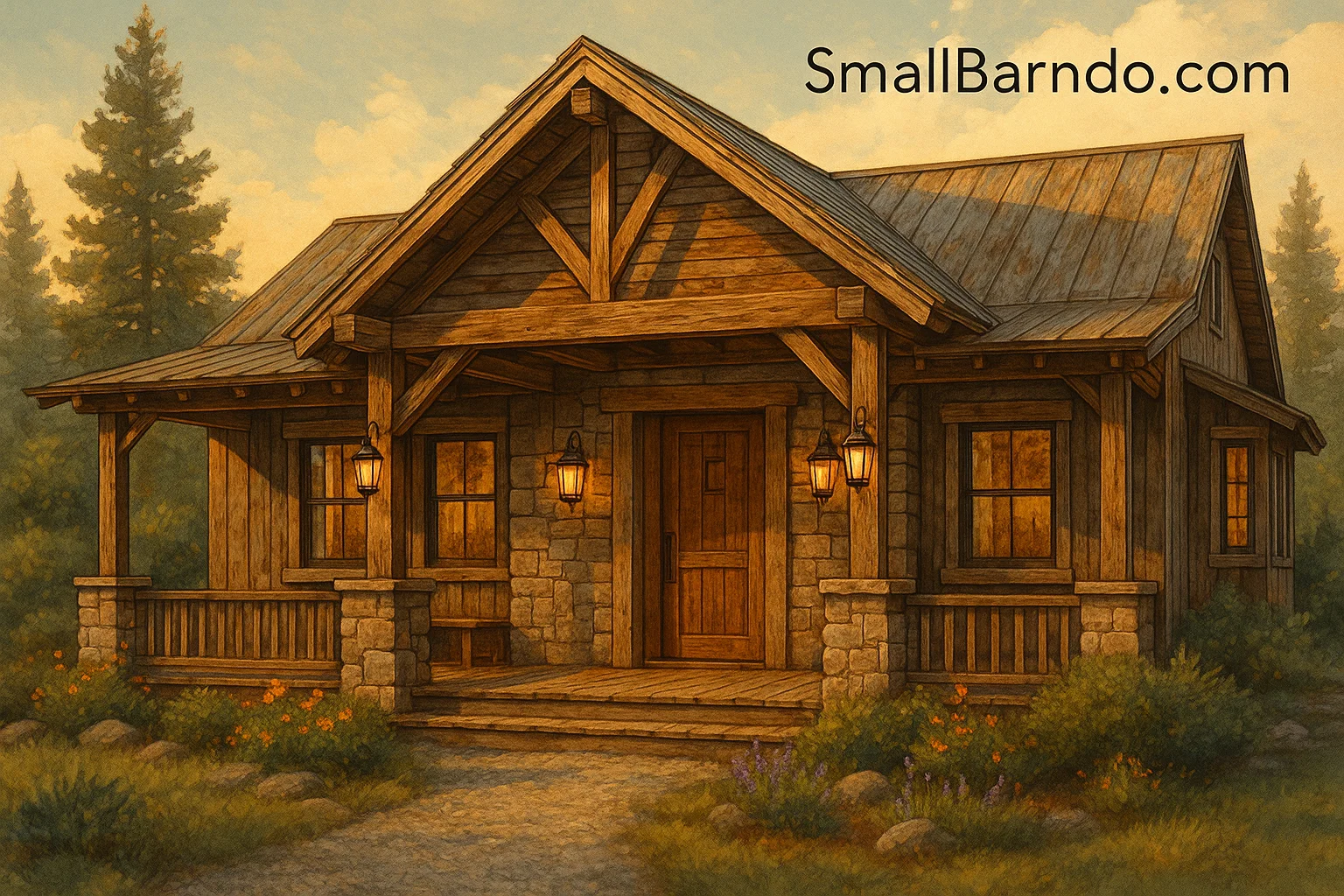
Authentic Rustic Home Features: Must-Have Materials (Reclaimed Wood, Stone, and Copper)
Have you ever walked into a home and immediately felt your shoulders drop, a deep breath escape, and a sense of grounding peace wash over you? That’s the unmistakable feeling of truly rustic home features a design aesthetic that speaks to our primal need for connection, warmth, and authenticity. It’s a call back to a simpler time, a feeling of shelter built from the very materials of the landscape.
In a world increasingly dominated by sleek, cold, and mass-produced materials, your heart yearns for the story embedded in rough-hewn timbers, the coolness of natural stone underfoot, and the subtle, living patina of aged copper. It’s not just a fleeting decorating choice; it’s an emotional refuge, a sanctuary from the digital age. This comprehensive guide is your essential blueprint for transitioning your space from “rustic-inspired” to truly authentic, a deep dive into the materials that don’t just furnish a house, but give your home a soul. We’re going beyond surface-level trends to explore the essential, time-honored materials that will make your space an honest, enduring reflection of nature’s powerful beauty.
Table of Contents
The Foundation of Authenticity: Why Material Choice Matters for Rustic Home Features
When you commit to authentic rustic home features, your choice of material becomes the single most crucial decision. Rustic design is defined by the absence of artifice; it is the celebration of materials in their most honest, unrefined state. This authenticity offers a profound difference from synthetic alternatives.
Your investment in natural materials offers numerous benefits:
- Longevity & Patina: Unlike materials that merely deteriorate with age (such as plastic veneers or cheap laminates), natural, authentic rustic materials like solid wood, stone, and copper develop a unique, protective, and visually rich patina. This means your home will not only last longer but will grow more beautiful and characterful with every passing year.
- Sustainability: As we move into 2024 and beyond, sustainable building is a dominant trend. Choosing materials like reclaimed wood directly contributes to the circular economy by repurposing existing resources, significantly lowering the embodied energy of your home compared to using newly milled or synthesized products. Furthermore, integrating natural elements aligns with biophilic design principles, which have been proven to reduce stress and improve your overall well-being.
- Emotional Impact (Biophilia): Research shows that your physical and mental state improves when you are connected to natural patterns and materials. The tactile experience of running your hand over rough-sawn wood or the visual complexity of natural stone patterns taps into your inherent bond with the natural world, creating a space that feels inherently tranquil and grounding.
Comparison: Consider the difference between a mass-produced, veneer cabinet and one crafted from thick, solid, distressed oak. The veneer may look acceptable now, but the oak possesses an enduring structural integrity and a developing character that the synthetic product can never emulate. By choosing natural materials, you are building not just a house, but a legacy.
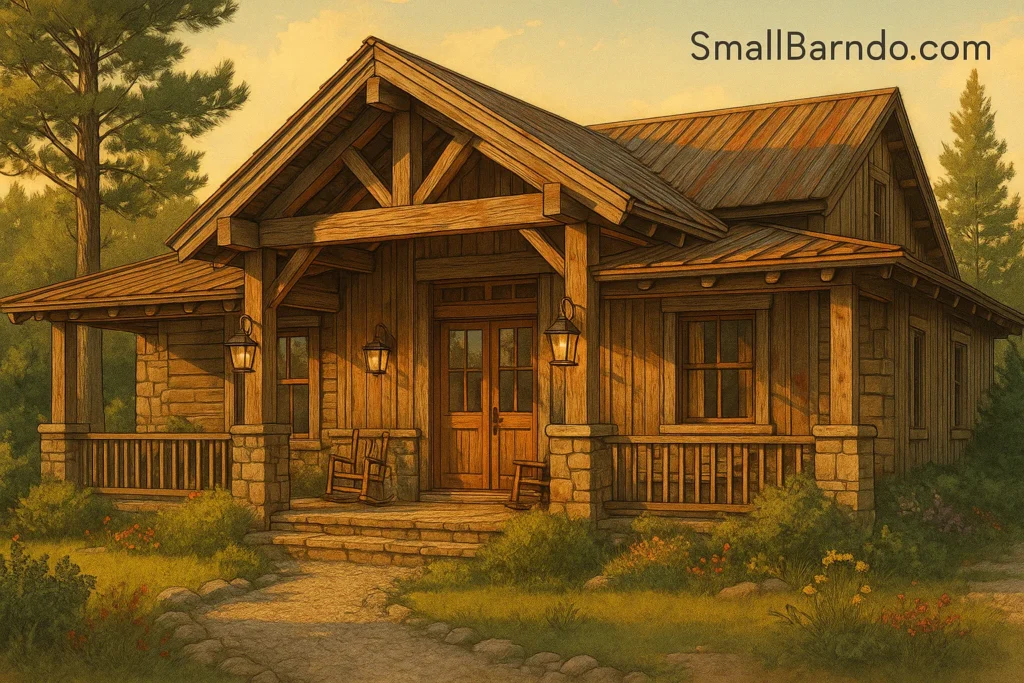
Reclaimed Wood: The Heartbeat of Rustic Home Features
Nothing imbues a space with history and warmth quite like reclaimed wood. This material carries the visible marks of its former life, from faded paint remnants to original bolt holes telling a silent story that instantly anchors your home in time.
Sourcing and Selecting High-Quality Reclaimed Timber
To achieve truly authentic rustic results, the source and quality of your timber are paramount. You must seek wood that has inherent durability and character.
- Sourcing Origins: The wood’s origin dictates its character.
- Barn Wood: Often softwoods like pine or fir, known for their deep gray or reddish hues from decades of sun and weather exposure.
- Old Factories/Warehouses: Typically contain dense, strong hardwoods like Oak or Douglas Fir, which are highly durable and perfect for structural elements.
- River Logging (Sank Wood): Wood retrieved from riverbeds where it sank during logging drives. This material is incredibly dense and often takes on unique mineral staining.
- Condition Check: When selecting timber, you must inspect it carefully.
- Check the moisture content to ensure stability (it should be properly dried/kiln-treated).
- Verify the history of insect or rot treatment.
- For load-bearing elements, always have a structural engineer confirm the timber’s integrity. Studies have shown that reclaimed timber, particularly aged hardwoods, can be more structurally stable than new wood due to a centuries-long drying process.
3 Essential Uses for Reclaimed Wood That Define Rustic Style
Your design can harness reclaimed wood in three foundational ways:
- Structural and Decorative Beams: Exposed, rough-hewn rustic wood beams provide an immediate, irreplaceable sense of scale and history. They are the quintessential rustic element, creating grandeur in vaulted spaces.
- Flooring: Reclaimed hardwood flooring is significantly harder and more resistant to wear than many new woods, as it comes from old-growth trees. Its existing imperfections mean minor scratches only add to its character.
- Accent Walls or Cabinetry: A single wall or a kitchen island façade paneled in distressed wood introduces texture and warmth, providing a necessary contrast to smoother elements like countertops or appliances.
The Patina and Finish: Preserving the Story
The rich texture and visible age of reclaimed timber, its patina, is the key to its authenticity.
- The Limitation: You must resist the urge to heavily sand or over-stain this material. Excessive sanding destroys the surface story (the saw marks, nail holes, and weathering).
- The Condition: For protection, use only clear, low-VOC sealants, such as natural penetrating oils or matte water-based polyurethanes. These finishes protect the wood from moisture and daily wear without hiding its unique, decades-old coloring and history.
Stone: Grounding the Space with Enduring Rustic Home Features
If reclaimed wood provides the heart, natural stone provides the foundational, immovable skeleton of the authentic rustic home. Stone speaks to permanence and strength, acting as the ultimate grounding element in your design.
A Deep Dive into Essential Rustic Stone Types
The selection of stone dictates the color palette and atmosphere of the space you are creating.
- Limestone: Softer, often light gray, beige, or off-white. It’s excellent for large-format interior flooring and cladding where a brighter, airier rustic feel is desired.
- Slate: A durable, metamorphic rock that naturally cleaves into thin, flat sheets. It is prized for its variable, deep colors (grays, greens, purples) and works exceptionally well for high-traffic flooring and exterior roofing due to its density.
- Fieldstone/River Rock: Highly irregular in shape and size, these stones are used for dramatic, textural applications, most notably the classic rustic stone fireplace or thick exterior walls. Their organic shape instantly evokes a rugged, untouched landscape.
Comparison (Application): While a lightweight stone veneer may offer a similar look with easier installation, using full-thickness stone cladding or a true dry-stack approach offers unmatched thermal mass (regulating temperature) and a deeper, three-dimensional texture that can’t be replicated by thin cuts.
Considerations for Installation and Maintenance
- Exceptions/Conditions: Moisture and Sealing: This is a crucial point: All natural stone, especially softer, more porous varieties like limestone, must be properly sealed. You need to apply a high-quality, penetrating stone sealer, particularly in areas exposed to moisture and grease, such as kitchen backsplashes or bathroom floors, to prevent permanent staining and water ingress.
- Appropriate Depth of Analysis: When planning for a large-scale stone feature, such as a full-height fireplace, you must consider the substantial weight. Full-thickness stone requires a structural foundation that may need to be engineered into the floor slab or basement structure. Lightweight veneers are easier for DIY or existing structures, but they compromise on the thermal benefits and visual depth of true stone.
Copper: The Living Metal and Its Role in Authentic Rustic Design
Copper is the sophisticated, yet undeniably rustic, accent metal. Unlike stainless steel or chrome, copper possesses a “living finish,” which means its appearance will continuously evolve in response to its environment and use, making it the perfect complementary material for other authentic rustic home features.
From Bright Shine to Deep Verdigris: Understanding Copper’s Patina
The inherent beauty of copper lies in its dynamic patina process.
- What is Patina? Patina is the protective surface layer ranging from deep brown/reddish hues to the iconic blue-green verdigris that forms as copper naturally oxidizes upon exposure to air and moisture. This aged look is the ultimate goal in authentic rustic design, showing the passage of time.
- Alloys: Be aware that while pure copper is most common, copper alloys like brass (copper and zinc) or bronze (copper and tin) are also used in hardware, offering slightly different color variations and durability.
- Up-to-Date Information: Due to its excellent electrical conductivity, copper’s market value can fluctuate, occasionally influencing the cost of oversized elements like large range hoods, making them a premium investment for a truly rustic kitchen.
Top 3 Copper Rustic Applications That Create Focal Points
- Kitchen Sinks: Hand-hammered, unsealed copper kitchen sinks are the quintessential application. They are inherently antimicrobial and their surface will react to acidic substances (like lemon juice or wine) by creating bright spots that will eventually re-patina and blend back in, adding to the sink’s unique character.
- Range Hoods: An oversized copper range hood acts as a stunning, warm focal point above the cooking area, instantly anchoring the kitchen aesthetic.
- Piping and Hardware: Exposed copper plumbing or electrical conduit, along with custom-made, oversized cabinet hardware, introduces a beautiful industrial-rustic texture throughout the space.
Maintenance and the “Hands-Off” Approach
- The Condition: For truly authentic, lived-in copper, your maintenance approach must be “hands-off.” The goal is not to keep it shiny, but to allow the patina to form.
- Limitations of Information: You must strictly avoid using abrasive cleaners, metal polishes, or harsh chemicals (like bleach or vinegar) on unsealed copper. These products will instantly strip the beautiful, deep patina, forcing the oxidation process to start again and creating an uneven, stripped look. Simply clean with mild soap and water, and occasionally apply a natural carnauba wax to slow down the patina’s evolution and provide a protective barrier. The copper is “self-healing” if a bright spot appears, just leave it; the natural oxidation process will return the dark patina within days or weeks.
Integrating the Materials: A Cohesive Rustic Aesthetic
The art of rustic design is not merely collecting these beautiful materials but knowing how to use them together to create a unified, calming environment. Your goal is balance, where each material enhances the other without competing for attention.
Achieving Balance and Flow Between Wood, Stone, and Copper
- Coverage of Multiple Angles: You must decide which material will be the primary element and which will be secondary accents to avoid a cluttered look.
- Wood Dominant: If your design features reclaimed wood walls and floors, use stone only in one area, such as the fireplace surround, and restrict copper to small, high-impact features like a sink or light fixtures.
- Stone Dominant: If you have extensive interior natural stone walls or flooring, you should use wood selectively, perhaps only for exposed ceiling beams or window trim, allowing the stone’s texture to be the main visual focus.
Material Integration Tips for a Harmonious Design
- Vary the Texture: Place materials with different finishes next to each other. Pair rough-hewn, skip-planed reclaimed wood with the smooth, cool surface of a sealed slate floor to create deep tactile interest.
- Coordinate Tones: Ensure the natural color undertones of your materials complement each other. Warm, reddish reclaimed wood (like Douglas Fir) pairs beautifully with warm-toned sandstone or fieldstone, while cooler, gray barn wood works well with dark slate.
- Use Copper as the Bridge: Copper’s warm, evolving color acts as a natural harmonizer. It bridges the organic warmth of wood with the cool stability of stone, creating a smooth visual transition between the elements.
Frequently Asked Questions About Authentic Rustic Home Features
Using the main keyword, here are the most common questions people ask when implementing authentic rustic home features in their space:
Q1: What is the most cost-effective way to incorporate rustic home features?
Answer: The most budget-friendly approach is to focus on high-impact accents. Instead of entire walls, use a few pieces of reclaimed wood for custom shelving, mantels, or a headboard. Sourcing natural stone locally (such as local fieldstone or river rock) can significantly cut transportation costs, which are often the largest expense.
Q2: Are rustic home features inherently darker than modern designs?
Answer: Not at all. While dark beams and slate are traditional, a rustic design can be bright. Achieve this by using light-colored materials such as white-washed or sun-bleached reclaimed wood, pale limestone flooring, and light-colored plaster walls to maintain an airy feel while keeping the authentic texture.
Q3: How do I clean a hammered copper sink without ruining the patina?
Answer: For a “living finish” copper sink, you should use only mild, non-abrasive dish soap and water. You must avoid harsh chemicals, abrasive pads, and copper polishes, as these products will strip the natural patina. Simply rinse the sink and wipe it dry after use to prevent excessive water spotting.
Q4: Is reclaimed wood always structurally sound for beams?
Answer: Reclaimed wood from old-growth trees is often incredibly strong. However, for any load-bearing application, you must have the timber inspected and graded by a qualified structural engineer to assess its condition, check for internal defects, and confirm its ability to meet modern building codes.
The Enduring Appeal of Authentic Rustic Design
Creating a home with authentic rustic home features is more than just a renovation project; it is an investment in permanence, quality, and story. By prioritizing reclaimed wood, natural stone, and living copper, you are choosing materials that improve with age, minimize your environmental footprint, and, most importantly, provide a profound sense of comfort and shelter. Your home will become a sanctuary that doesn’t just look beautiful but feels truly real, a grounded extension of the natural world.
The journey to authenticity requires patience in sourcing, attention to detail in finishing, and a willingness to embrace imperfection. The rewards are a home that resists fleeting trends and offers an unshakeable connection to the materials of the earth.