Charming Small House Design Bungalow: Open Concept Layouts Under 1,500 Sq Ft
The longing for a place that feels your own, a cozy haven, a quiet retreat is universal. For too long, the dream of a beautiful, custom-designed home felt tied to sprawling square footage and overwhelming maintenance. You may have felt that internal tug-of-war: the desire for less house to clean conflicting with the need for ample space to genuinely live.
That’s precisely why the appeal of the small house design bungalow is so powerful right now. It is a fundamental shift in how you view home ownership. It is not about sacrificing style, functionality, or comfort; it is about refining your life down to what truly matters. We are here to show you that a compact home under $1,500 sq ft, especially one featuring a smart open-concept layout, doesn’t just save you time and money; it can unlock a quality of connection, light, and mindful living that bigger, more segmented homes often miss. You are about to discover how your smaller footprint can lead to a much larger life.
Table of Contents
The Undeniable Appeal of an Open-Concept Small Bungalow House Design
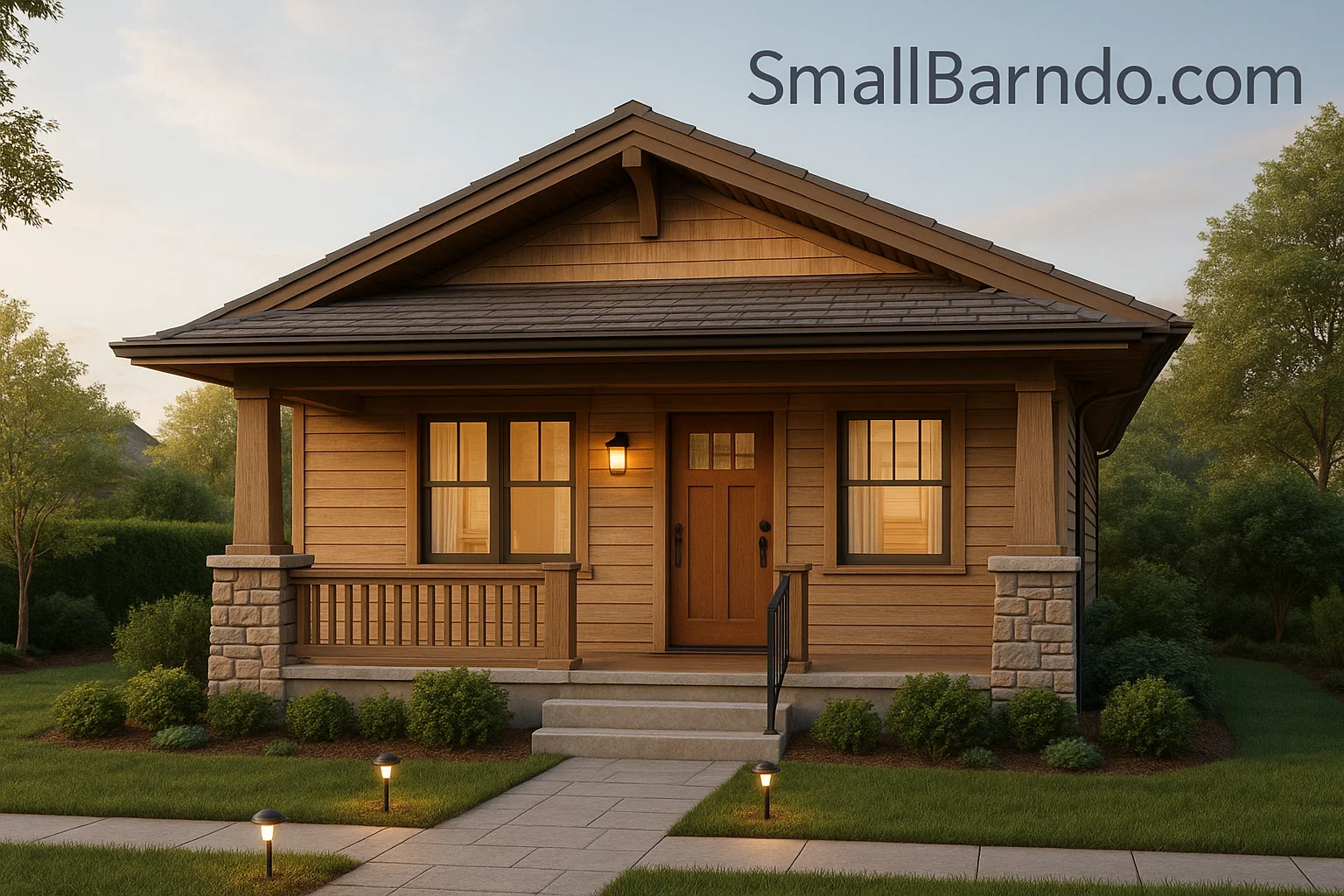
A bungalow’s inherent, historical charm naturally blends with modern functionality when you choose an open-concept layout. This design philosophy is not a fleeting trend; it is a strategic and cost-effective solution for compact, intentional living, giving your single-story home an expansive feel.
The Psychological and Practical Benefits for You
Open floor plans work by dissolving the visual barriers of walls, which can make your chosen small house design bungalow feel significantly more spacious than its actual square footage suggests. This strategic choice offers you powerful dual benefits:
- The Illusion of Unrestricted Space: By eliminating non-structural walls that traditionally separate the kitchen, dining, and living areas, your eye is encouraged to travel across the entire space. This simple optical trick can make a $1,200 sq ft home feel closer to a comfortable $1,500 sq ft. The seamless connection dramatically enhances the sense of airiness.
- Enhanced Natural Light Flow: With fewer interior obstructions, the daylight pouring in from your windows can penetrate deeper into the core of your home. This makes the entire interior brighter, more welcoming, and more energy-efficient, as you rely less on artificial lighting during the day.
- Improved Connection and Sociability: If you enjoy hosting or value family interaction, an open plan is invaluable. The continuous space facilitates effortless movement and communication. You can prep dinner in the kitchen and still engage fully with guests or supervise children doing homework in the living area. The cook is never isolated.
- Cost and Environmental Savings: A smaller, open-concept footprint generally means reduced material costs during construction, lower energy bills (it is easier to heat and cool one large, open volume), and less area for you to clean and furnish. This makes your bungalow a smart, sustainable, and financially sound long-term investment.
When you weigh your options, the contrast between an open and closed design in a sub-$1,500 sq ft home becomes clear:
| Feature | Open-Concept Bungalow (Under 1,500 sq ft) | Traditional Layout (Under 1,500 sq ft) |
| Sense of Space | Airy, expansive, light-filled, feels larger than it is. | Defined, potentially closed-off, can feel cramped and restricted. |
| Social Interaction | High (seamless connection between kitchen/living areas). | Low (walls separate activities and individuals). |
| Natural Light | Maximized and shared across all main zones. | Limited to rooms with direct exterior windows. |
| Energy Efficiency | High (easier and cheaper to regulate temperature). | Moderate (requires zoned HVAC and more ductwork). |
Strategic Zoning: Defining Spaces in Your Bungalow Open Concept
The greatest challenge of an open layout is preventing it from devolving into a cluttered, undefined mess. For your bungalow open concept to succeed, you must employ subtle yet highly effective zoning strategies that create “rooms” without the use of walls.
Visual and Physical Delineation Techniques You Can Use
You will use interior design elements and clever placement to direct traffic, create ambiance, and clearly define the purpose of each area:
- Rugs and Flooring as Anchors: A simple change in flooring is a powerful zonal signal. You can install durable tile or vinyl plank in the kitchen, transitioning seamlessly to warm wood or carpet in the living area. Crucially, use a large, well-placed area rug to clearly define and anchor your living room’s seating arrangement. The rug should be large enough to sit under the front legs of all major seating pieces.
- Lighting for Focal Points: Lighting is your invisible architect. Use uniform, recessed lighting for general ambient light across the entire ceiling. Then, use different fixtures to define zones:
- Install a distinct pendant light or chandelier directly over your dining table to give it a focal, intimate atmosphere.
- Use floor and table lamps in the living area to provide task lighting and a cozy, layered mood that separates it from the more functional kitchen zone.
- Furniture Placement as Soft Dividers: Use key pieces of furniture as low-profile, “soft” barriers that delineate space without obstructing the flow of light or conversation:
- Place a low, open-backed console table or a low bookshelf behind your sofa. This separates the living space from the entry or dining area while keeping the visual sightlines open.
- A multi-purpose kitchen island with bar seating is arguably the most valuable tool. It serves as a preparation space, a casual dining spot, and a clear, functional barrier between the cooking zone and the family zone.
Maximizing Functionality: Smart Storage and Multi-Purpose Furniture
In a small house design bungalow under $1,500 sq ft, every square foot must perform double duty. Intelligent, integrated storage solutions are absolutely non-negotiable for maintaining the clutter-free serenity that open-concept living promises.
Innovative Storage Solutions to Keep Your Space Pristine
Your goal is to get all unnecessary items off the floor and out of sight. Remember this key limitation: An open concept visually amplifies clutter. If your kitchen counter is messy, the entire room looks messy.
- Vertical Space is Your Greatest Asset: When you cannot build out, you must build up.
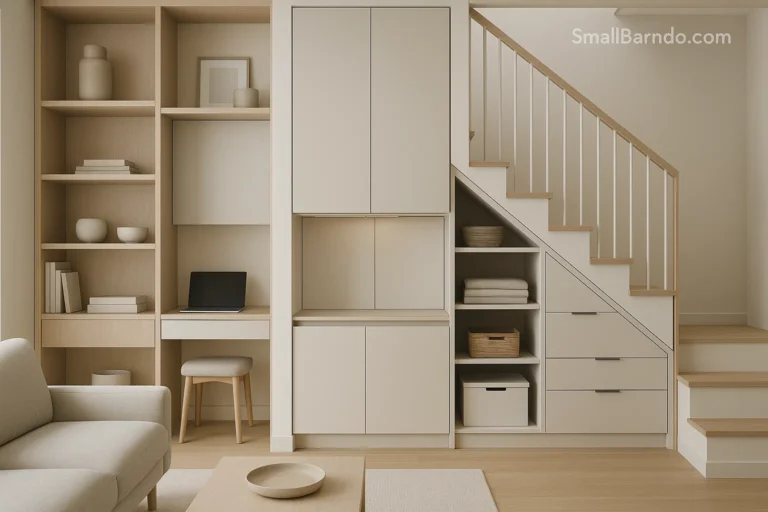
- Install floor-to-ceiling cabinetry and built-in shelving, especially in your kitchen, laundry nooks, and living room wall units. This uses space that would otherwise be wasted.
- Utilize tall storage units in corners or between windows, drawing the eye upward and providing maximum containment.
- Embrace Multi-Functional Pieces: Every piece of furniture should earn its keep by offering more than one use:
- Storage Ottomans: These act as footrests, extra seating, and provide hidden storage for blankets, toys, or magazines.
- Convertible Tables: Look for dining tables that can be expanded with leaves for hosting, or folded down to a narrow console size for daily use, freeing up valuable circulation space.
- Platform Beds with Drawers: In the bedrooms, eliminate the need for large dressers by using a platform bed that features built-in under-bed drawers.
- Wall-Mounted and Recessed Designs: Keeping the floor clear instantly makes a room feel larger.
- Install wall-mounted desks or folding desks for compact home office solutions.
- Use recessed niches in bathroom walls or shallow floor-to-ceiling pantry units that are built into the wall instead of protruding from it.
By comparing simple storage to smart storage, you will see the immense impact on your floor space:
| Storage Type | Functionality in a Small Bungalow | Floor Space Impact |
| Freestanding Dresser | Simple storage of clothing. | High (requires floor space and clearance for drawers). |
| Platform Bed with Drawers | Storage of clothing and sleeping area. | Zero (storage is integrated beneath the existing furniture). |
| Standard Bookcase | Open display/storage. | Moderate (takes up floor space and appears visually heavy). |
| Built-in Shelving Unit | Customized storage to the ceiling. | Low (seamlessly integrated into the wall structure). |
Architectural Elements for a Spacious Small House Design Bungalow
To achieve the ultimate illusion of spaciousness within your limited $1,500 sq ft footprint, you must integrate key architectural and design elements that maximize light and vertical volume.
Key Design Choices for Your Compact Footprint
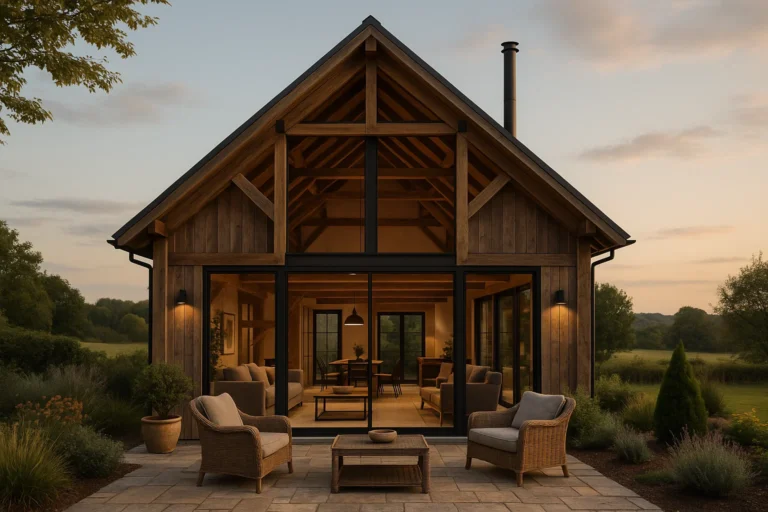
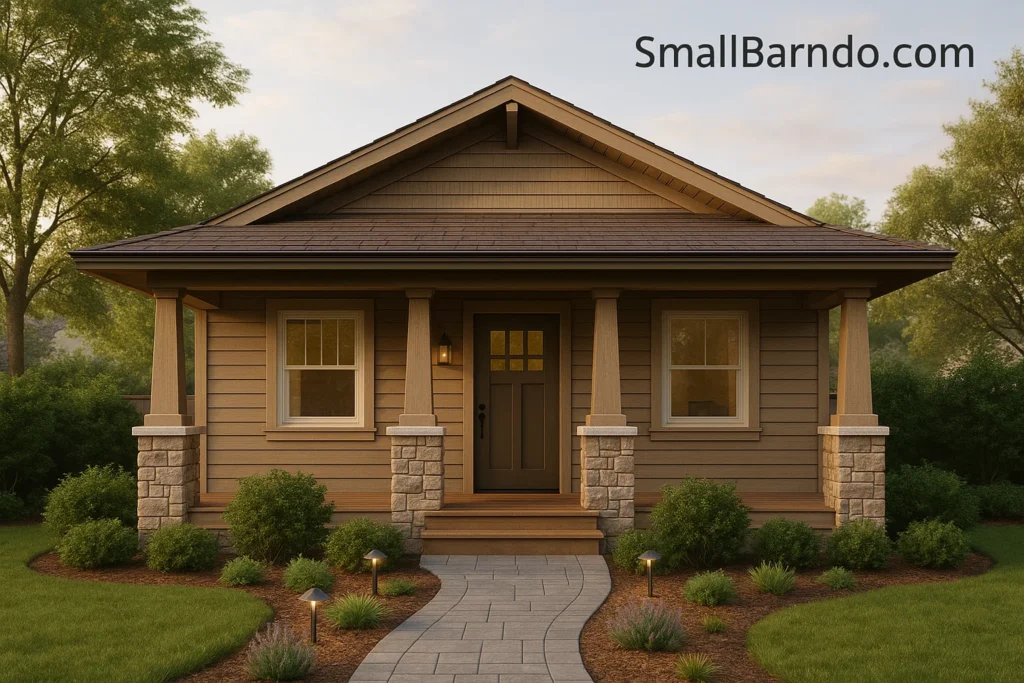
- Vaulted and Cathedral Ceilings: This is perhaps the most transformative feature in a single-story bungalow. A vaulted or cathedral ceiling, especially over the main open-concept living area, dramatically draws the eye upward and instantly increases the perceived volume of the room, counteracting the low ceiling nature of traditional bungalow design. This feature makes the space feel luxurious, not confined.
- Seamless Indoor-Outdoor Connection: Bungalows are traditionally characterized by a strong connection to the outdoors (e.g., a deep front porch). You can enhance this by using large format openings:
- Install oversized sliding glass doors or bi-fold doors leading to a deck, patio, or screened-in porch. When open, this effectively extends your main living space beyond the physical walls of the house, creating a true indoor-outdoor room for several months of the year.
- Ensure your flooring materials are similar between the interior and exterior threshold for a truly seamless transition.
- Consistent, Light Color Palette: To avoid breaking up the visual flow, you must use a cohesive color palette.
- Stick to light, continuous colors, whites, soft grays, and pale neutrals on walls and ceilings throughout the entire open space. Light colors reflect ambient light, blurring the lines between zones and creating an uninterrupted flow.
- Add color and texture through easily changeable elements like artwork, cushions, and rugs, not fixed structures.
- Limitation of Information: While open shelving can look beautiful in design magazines, remember the rule of clutter: The cleaner the surfaces, the larger the room appears. If you choose open shelving, you must limit it to meticulously curated decorative objects, not everyday storage, to maintain the light, airy feeling you are trying to achieve.
FAQ About Small House Design Bungalow Living Answered
Addressing Common Concerns Before You Build
Q: Does an open-concept design impact privacy in my bungalow?
A: Reduced visual and auditory privacy is the primary trade-off of open-concept living. While the main communal areas are open, you must ensure that all private spaces, the bedrooms, bathrooms, and a potential home office, are fully enclosed with solid, sound-dampening walls and high-quality doors. For a flex space off the living room, you could consider a pocket door or a sliding barn door for temporary visual separation when you need focused work time.
Q: How can I control noise and cooking odors that spread across the open floor plan?
A: This requires two key investments on your part. First, you need a high-quality, powerful kitchen range hood that vents directly outside (not one that merely filters and recirculates air). This is the best defense against odors. Second, you control sound with soft materials: use large, thick area rugs, heavy curtains, and upholstered furniture. These elements are sound absorbers and prevent echoes and sound from bouncing off hard surfaces, creating a quieter environment.
Q: Is a small house design bungalow suitable for a growing family?
A: Yes, absolutely, provided the design incorporates flexibility. Look for bungalow floor plans that offer $3$ bedrooms within the $1,500 sq ft range. Crucially, seek designs with a flexible room (a small den or sunroom that can convert to a nursery or small office) and a split bedroom plan, which places the primary suite on the opposite side of the house from the children’s bedrooms. This gives the parents a vital sense of retreat and privacy even within the compact footprint.
Conclusion: Embracing the Bungalow Lifestyle Under 1,500 Sq Ft
The choice to design or purchase a small house design bungalow with an open-concept layout is a powerful, proactive decision. It’s your opportunity to prioritize quality of life, financial agility, and mindful consumption over the burden of unnecessary space. You are not settling for a small house; you are designing a highly optimized, charming, and highly functional home.
By employing smart zoning with furniture, maximizing every vertical inch with integrated storage, and utilizing architectural tricks like vaulted ceilings and expansive glass to connect to the outdoors, your sub-$1,500 sq ft bungalow will not just feel big, it will feel perfectly tailored, comfortable, and unequivocally home. It offers a way to simplify your life without ever having to compromise on style or connection.