35 Organic Modern Living Room Ideas for a Breathtaking, Calming Home
We’ve all had that moment: walking through the front door after a relentless day, dropping our keys, and feeling… nothing. Or worse, feeling the visual clutter of a room that doesn’t breathe. Your home shouldn’t just be a place where you store your belongings; it should be a sanctuary that resets your nervous system.
The organic modern living room is the design world’s answer to our collective burnout. It is the perfect marriage between the sleek, intentional lines of minimalism and the raw, unrefined beauty of the natural world. It is about creating a space that feels curated yet lived-in, sophisticated yet soulful.
In this guide, we will explore how you can transform your living space into a breathtaking retreat that feels like a deep, steady exhale. From the textures under your feet to the light filtering through your windows, every detail counts when you are designing for peace.
Table of Contents
1. Defining the Organic Modern Aesthetic
Before you dive into the list of ideas, you need to understand the “why” behind the “what.” This style isn’t just a fleeting trend; it’s a philosophy of balance. Modern organic design, often called “organic modernism,” focuses on creating a dialogue between human-made structures and the natural environment.
The Contrast of Styles
While Mid-Century Modern is about sharp geometry and Industrial is about grit, the organic modern living room is about softness and flow. It takes the “less is more” approach of minimalism but removes the clinical, cold edge. Instead of stark white walls and metal furniture, you are looking at warm whites, curved silhouettes, and “touch-worthy” materials.
The Foundation
Think of this style as “Scandi-meets-California-Cool.” It adopts the functionalism of Scandinavian design, where every piece has a purpose, and blends it with the relaxed, sun-drenched vibe of the American West. The goal is a home that looks like a high-end magazine spread but feels like a place where you can actually put your feet up.
Key Elements to Look For
- Neutral Palettes: Whites, beiges, and taupes.
- Sustainable Materials: Reclaimed wood, stone, and natural fibers.
- Tactile Sensations: A focus on how surfaces feel to the touch (the “Haptic” experience).
2. Setting the Scene: Architecture and Layout
A calming home starts with the bones of the room. You can have the most beautiful sofa in the world, but if the layout is cramped, your mind won’t be able to rest.
Embracing Negative Space
One of the hardest lessons in interior design is learning what not to put in a room. Negative space, the empty areas around your furniture, is what allows your eyes to rest. In an organic modern living room, you want to avoid “wall-to-wall” furniture. Give your statement pieces room to breathe. This reduces sensory overload and makes the room feel larger and more intentional.
Natural Light Optimization
Light is the ultimate mood-booster. To achieve a calming atmosphere, you should maximize natural light. Instead of heavy, dark drapes that close you in, consider sheer linens or light-filtering bamboo shades. These allow the sun to bathe your room in a soft glow while maintaining your privacy.
Biophilic Flow
“Biophilia” is the innate human instinct to connect with nature. When arranging your furniture, try to mimic natural movement patterns. Avoid rigid, “grid-like” layouts. Perhaps your armchairs are angled slightly toward a window view, or your coffee table has a soft, pebble-like curve. This creates a sense of harmony that feels more “found” than “forced.”
3. 35 Breathtaking Organic Modern Living Room Ideas
This lookbook is designed to help you visualize the specific elements that make this style work. We’ve broken these down into categories so you can tackle your redesign one step at a time.
A. Materiality and Texture (Ideas 1–10)
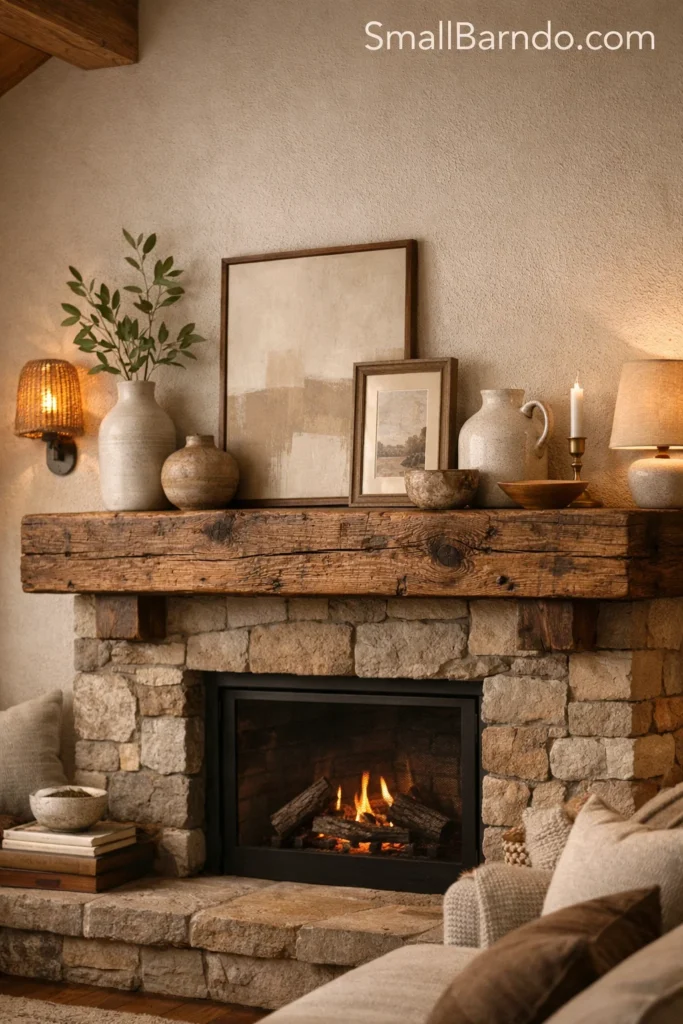
- Reclaimed Wood Mantels: If you have a fireplace, swap a painted mantel for a thick beam of reclaimed wood. It brings history and immediate warmth to the room’s focal point.
- Bouclé Seating: This knotted, “curly” fabric is the ultimate “cloud-like” texture. A bouclé accent chair adds instant sophistication.
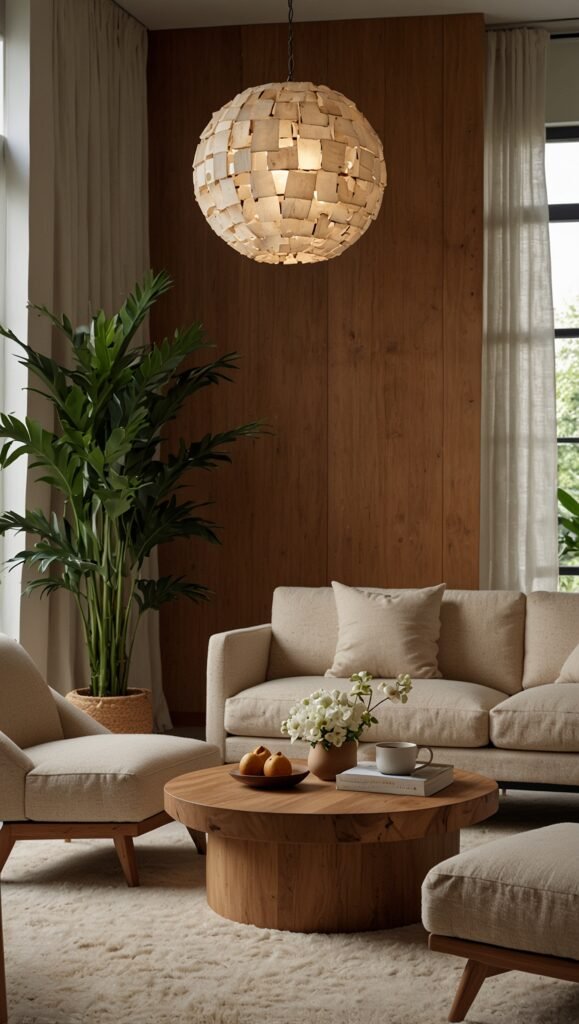
- Jute and Sisal Layering: Start with a large jute rug as a durable, earthy base, then layer a softer wool rug on top for comfort.
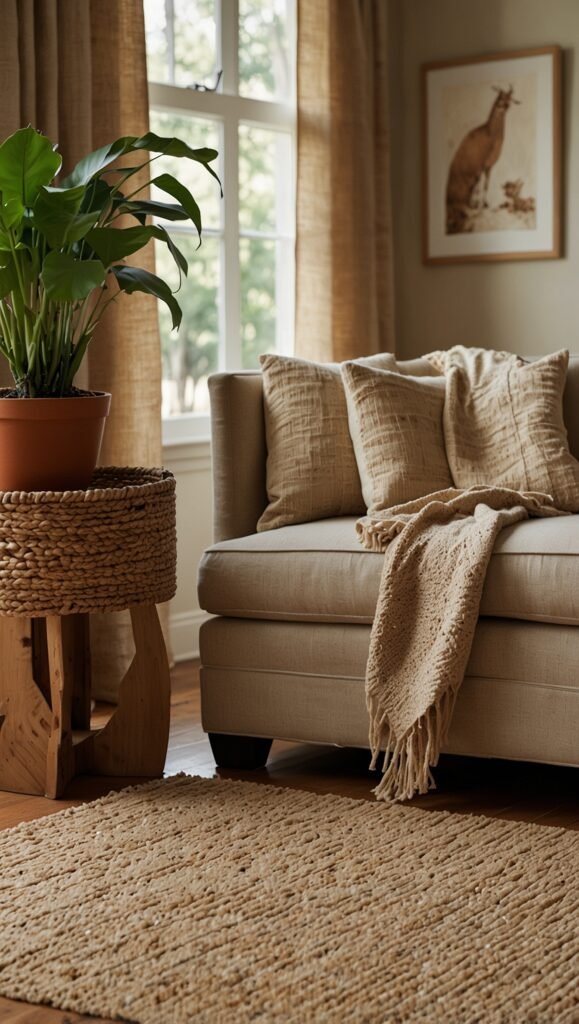
- Travertine Coffee Tables: This porous stone feels ancient and grounded. Its natural pits and beige tones are a staple of 2026 organic trends.
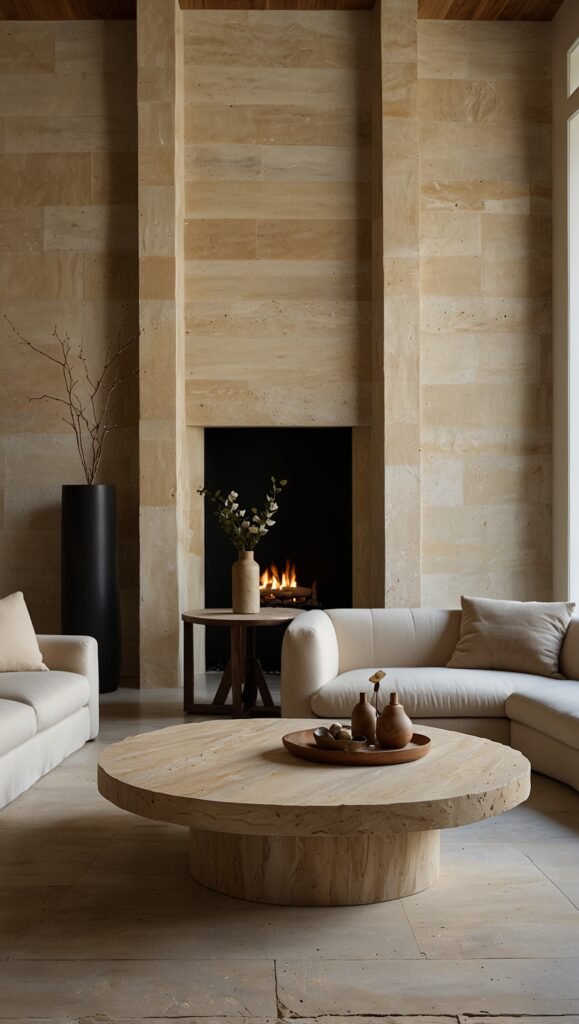
- Linen Upholstery: Choose linen for your sofa. It’s breathable, relaxed, and only gets better as it wrinkles slightly with use.
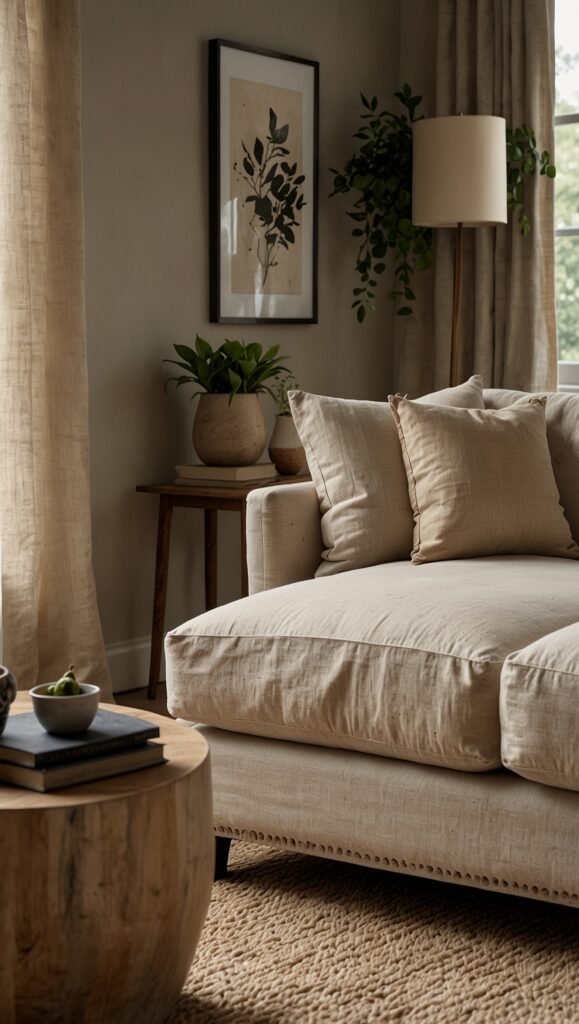
- Rattan Storage Baskets: Use woven rattan to hide your tech clutter (remotes, chargers) and blankets.
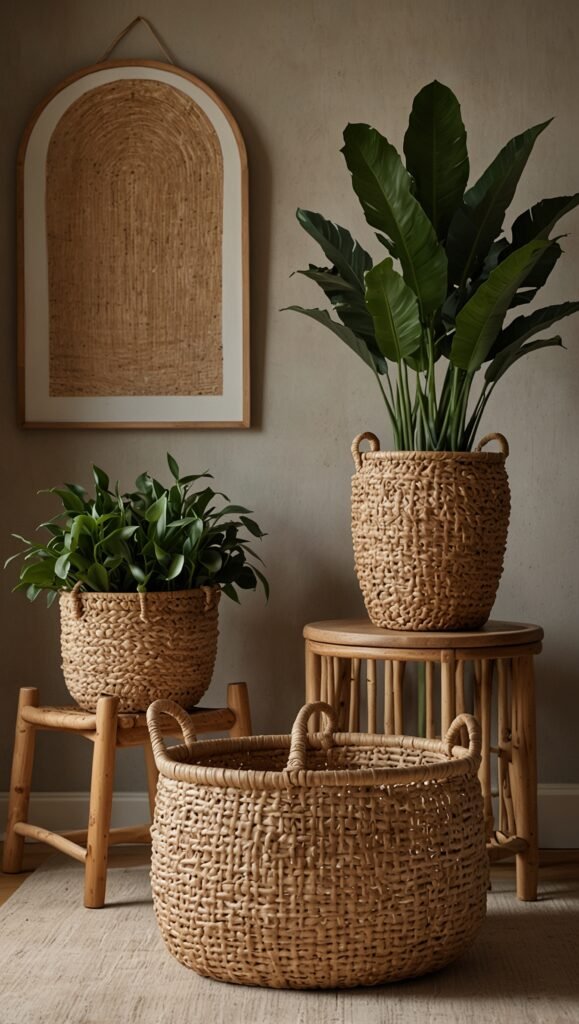
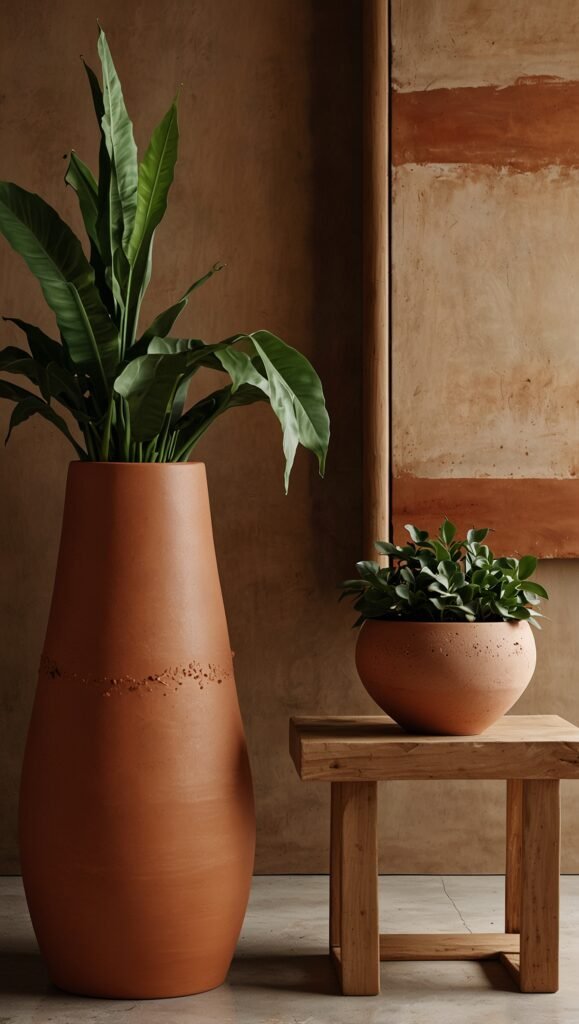
- Terracotta Vessels: Handmade clay pots in varying heights add a rustic, artisanal touch to your shelving.
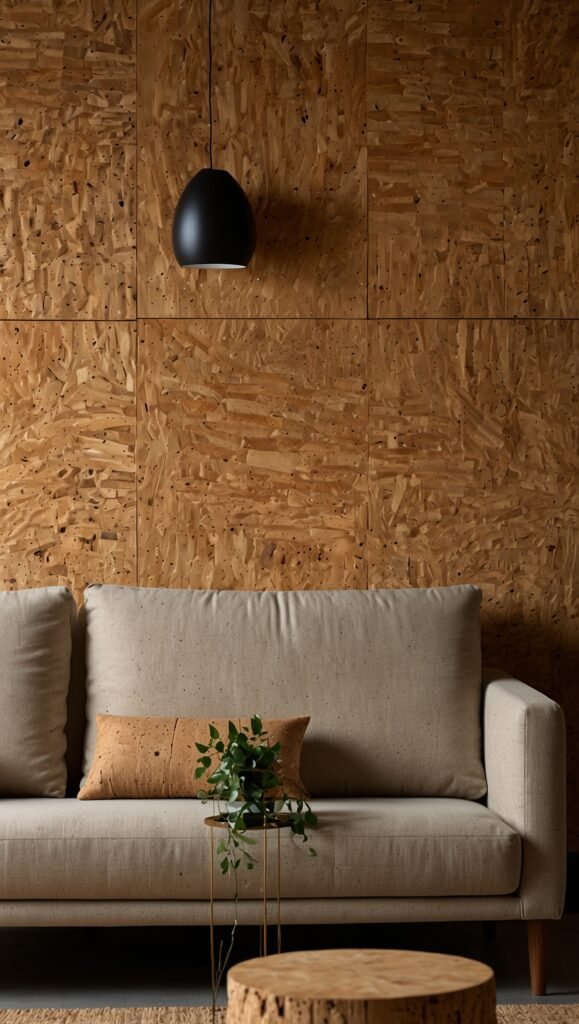
- Cork Wall Details: Small cork accents or even a cork-textured wallpaper can provide incredible acoustic insulation and warmth.
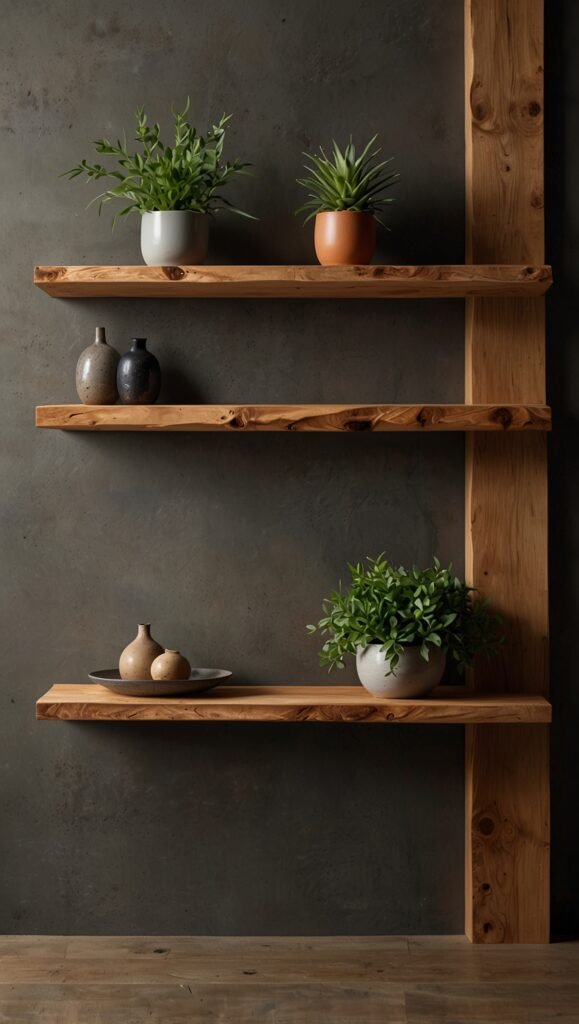
- Live-Edge Wood Shelving: Use floating shelves that retain the natural curve of the tree bark.
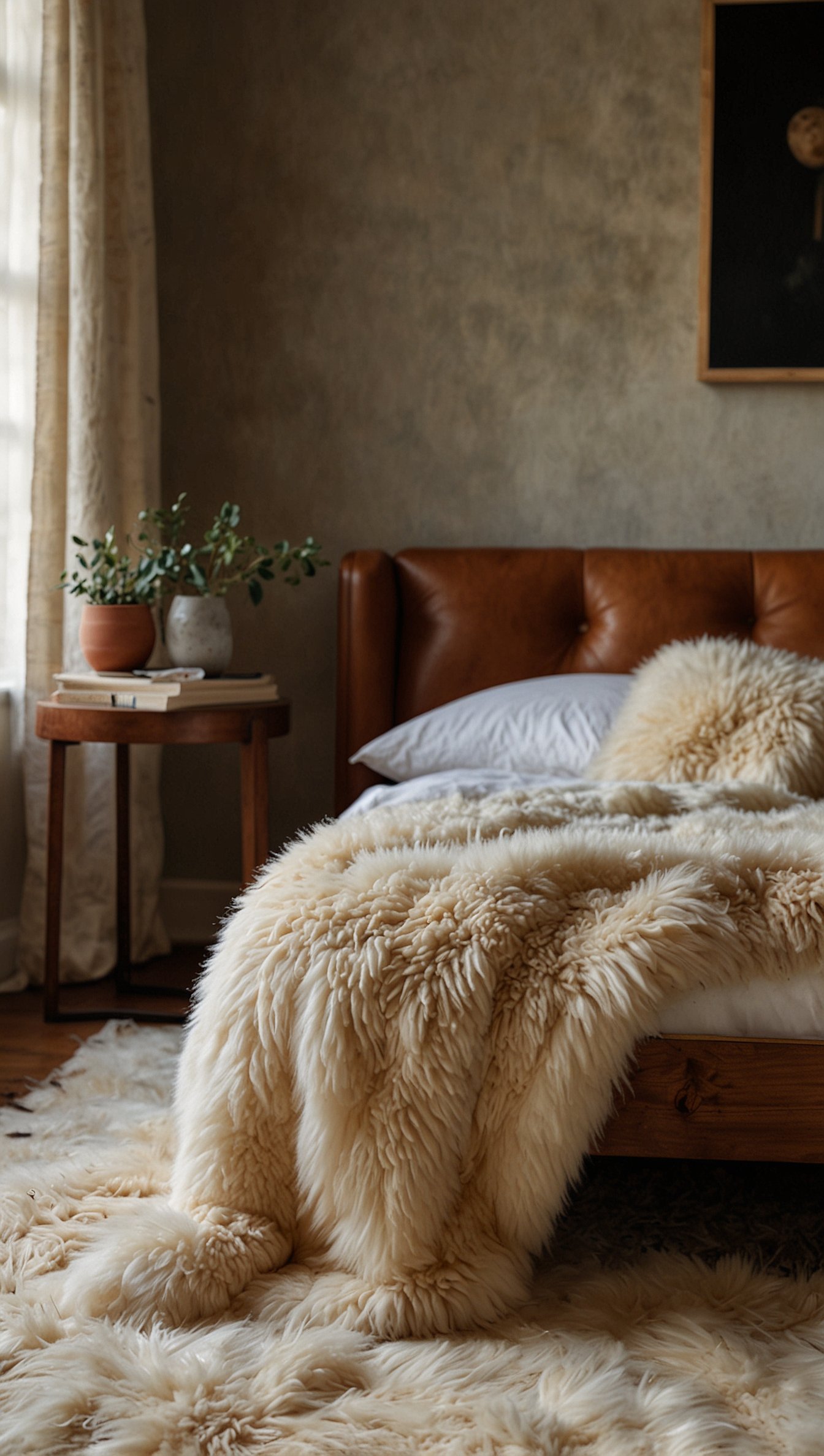
- Sheepskin Throws: Drape a genuine or high-quality faux sheepskin over a modern metal chair to soften the look.

B. Color Palettes: Beyond Basic Beige (Ideas 11–20)
- Muted Earth Tones: Move beyond white and explore “Greige,” Sage green, and Ochre.
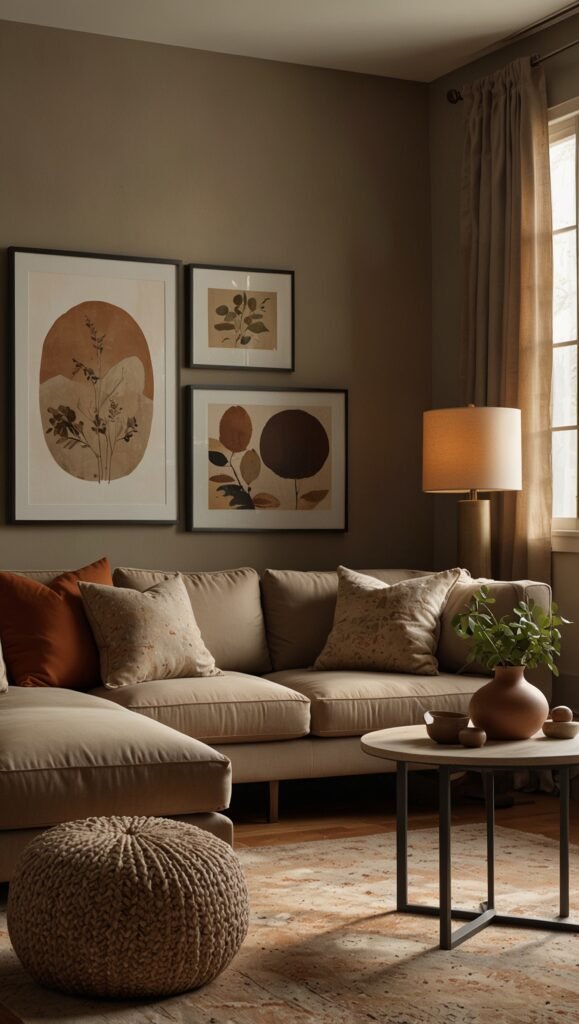
- The High-Contrast Pop: Use matte black hardware or a slim black floor lamp to ground an otherwise airy, light room.
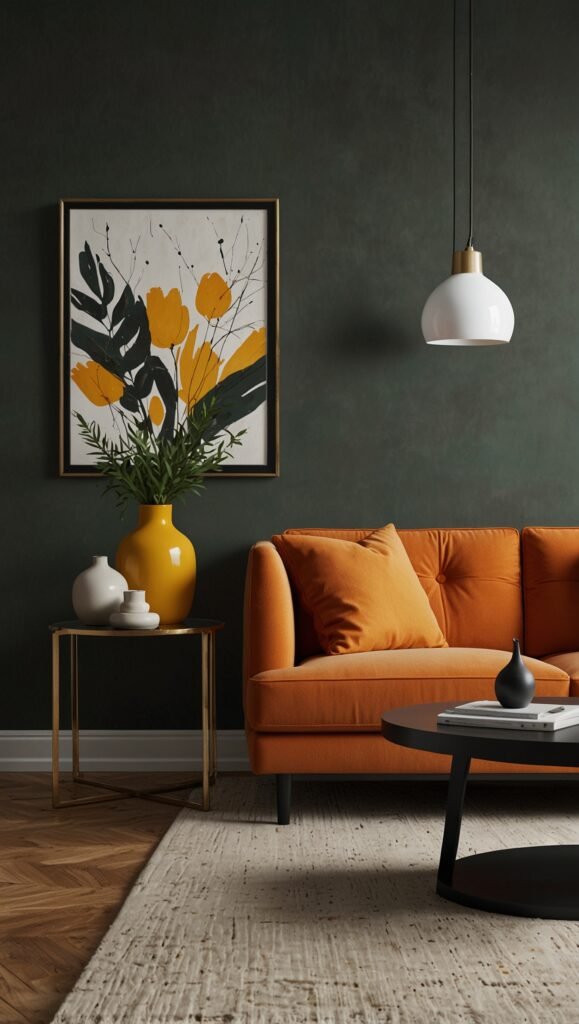
- Monochromatic Depth: Layer five different shades of “Oatmeal” to create interest without using distracting colors.
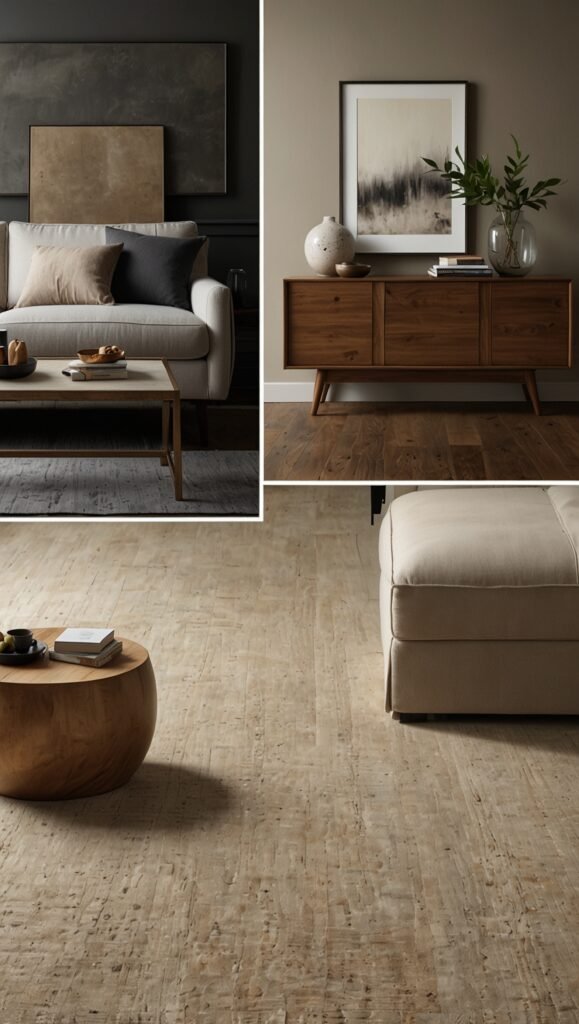
- Dusty Rose Accents: A very muted pink can mimic the colors of a desert sunset, adding warmth to a cold room.
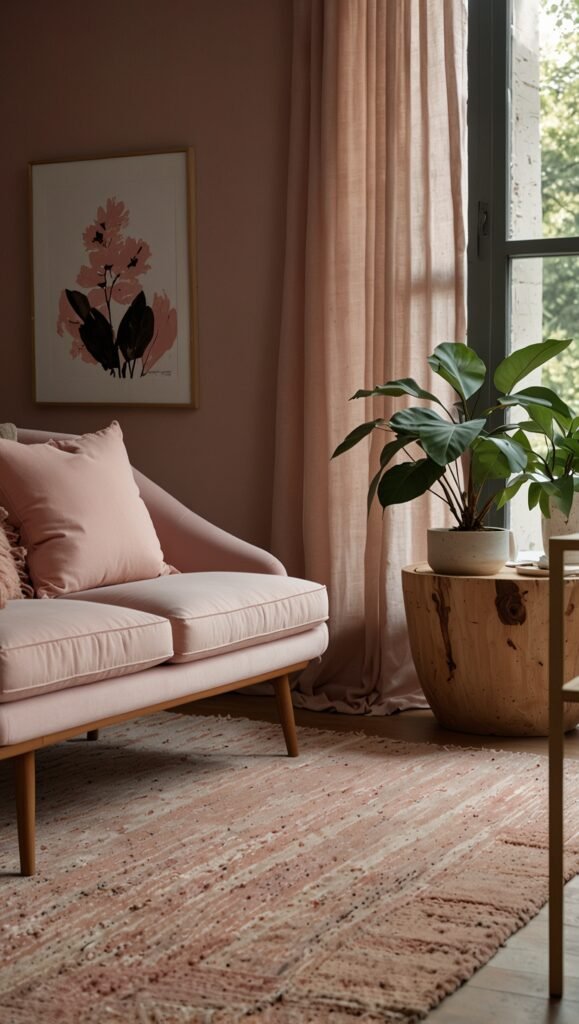
- Charcoal Accents: Darker greys can be used in rugs or pillows to provide a “weighty” feel to the seating area.
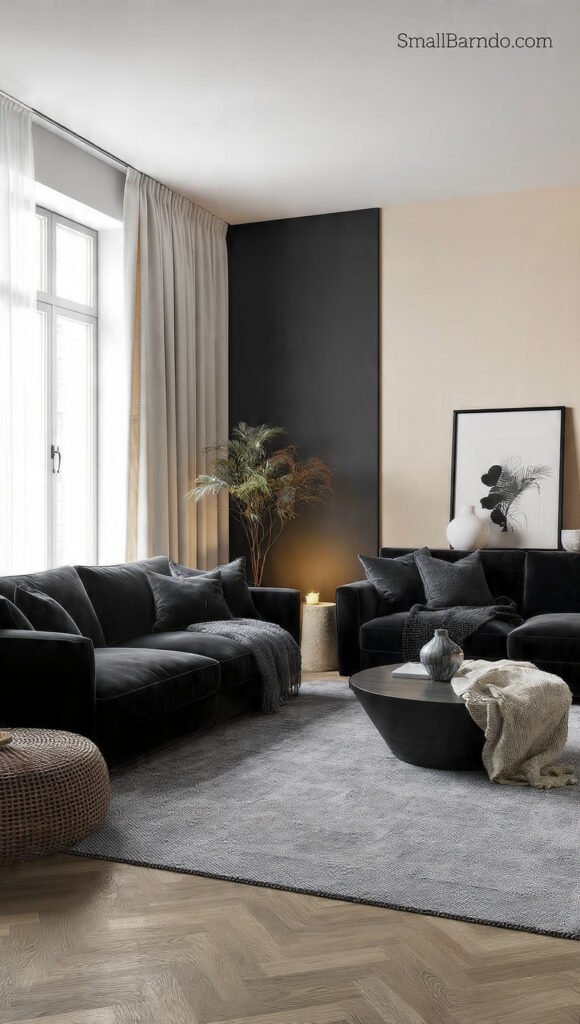
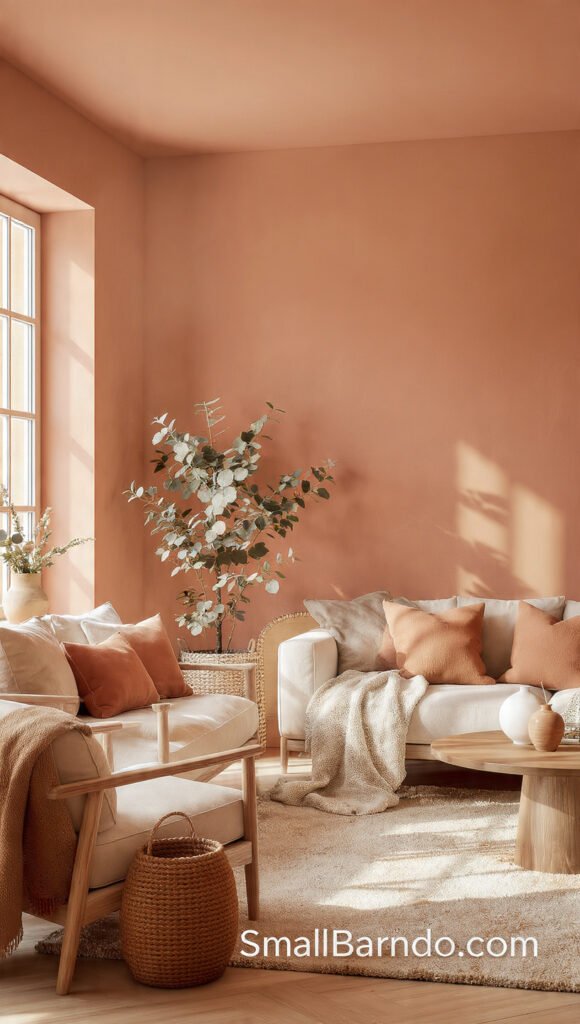
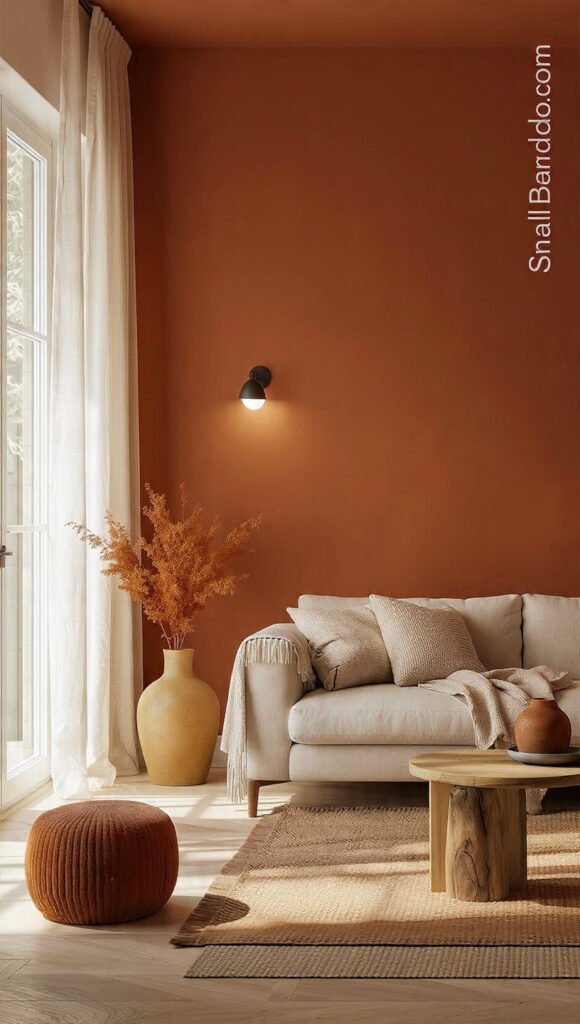
- Clay-Toned Walls: Consider lime-wash paint in a terracotta or clay shade to give your walls a velvety, stone-like texture.
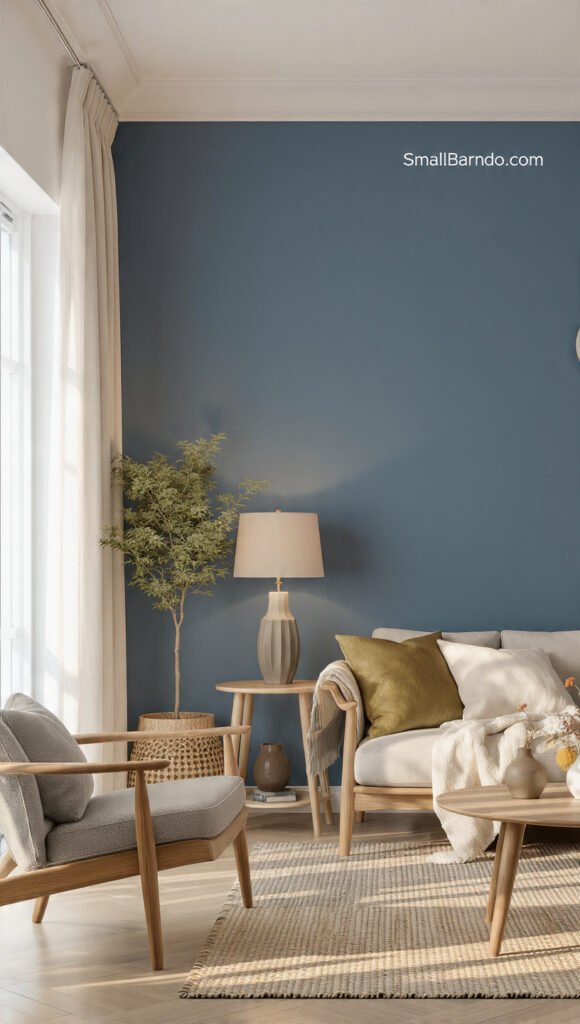
- Slate Blue: A soft, greyish-blue reminds the subconscious of water and sky, perfect for a calming home.
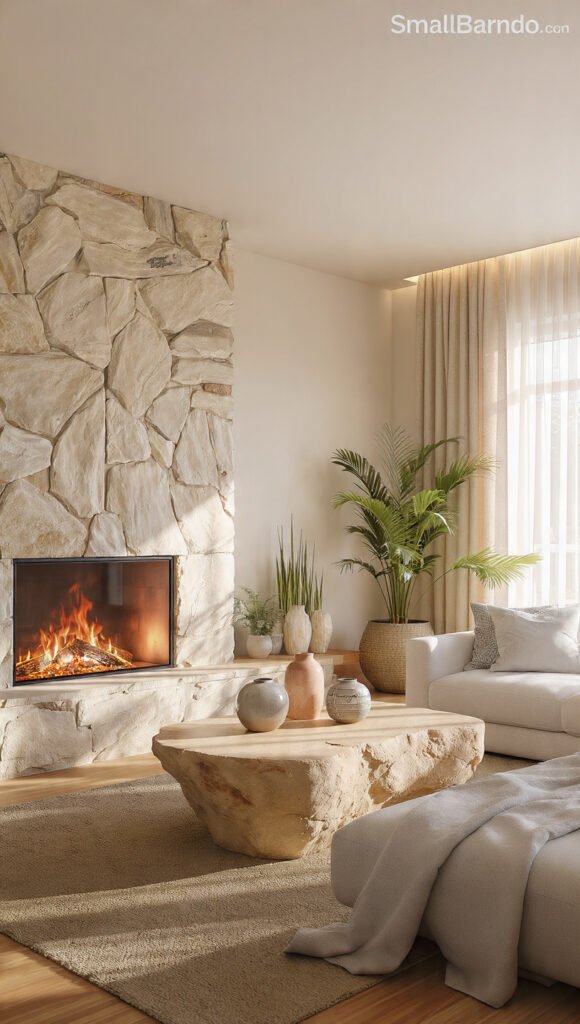
- Sand and Stone: Pair sandy beige upholstery with cool grey stone accents.
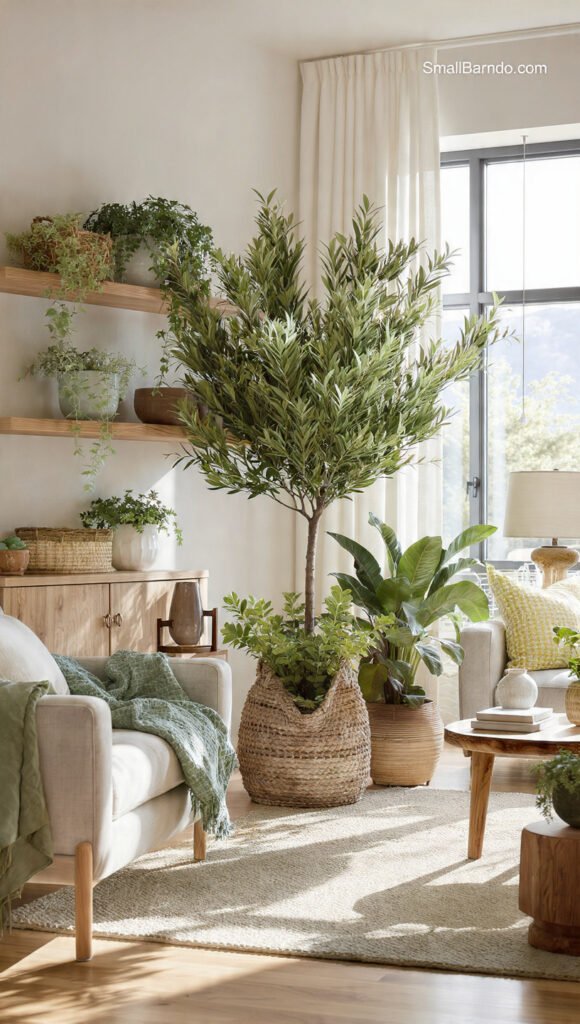
- Olive Green Foliage: Use deep greens only through your plants to keep the “organic” vibe authentic.
- Burnt Umber: A rich, dark brown wood (like Walnut) adds a sense of luxury and permanence.
C. Greenery and the Living Element (Ideas 21–28)
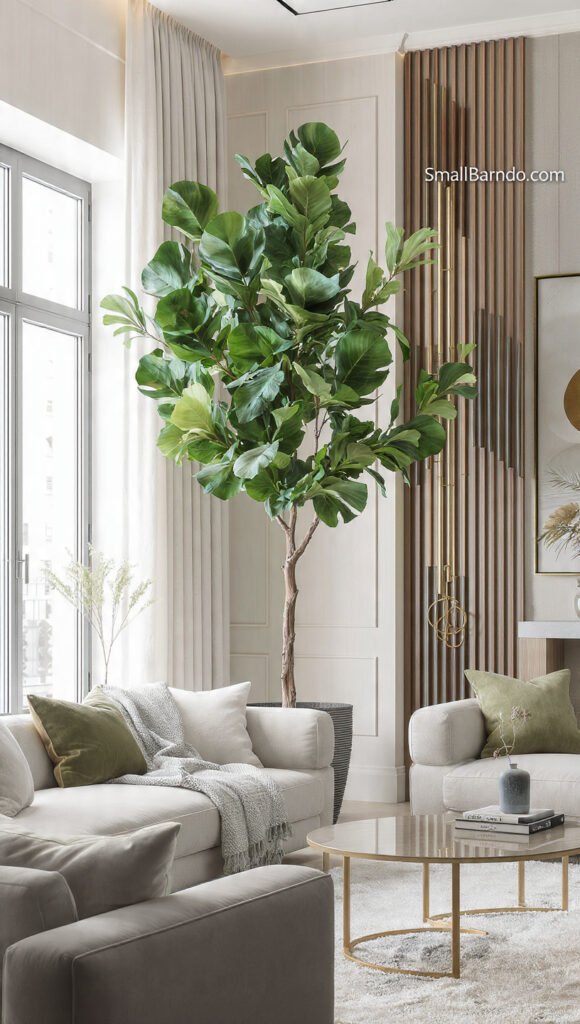
- The Statement Tree: Olive trees are the “it” plant for 2026. Their silver-green leaves are subtler and more “modern” than the Fiddle Leaf Fig.
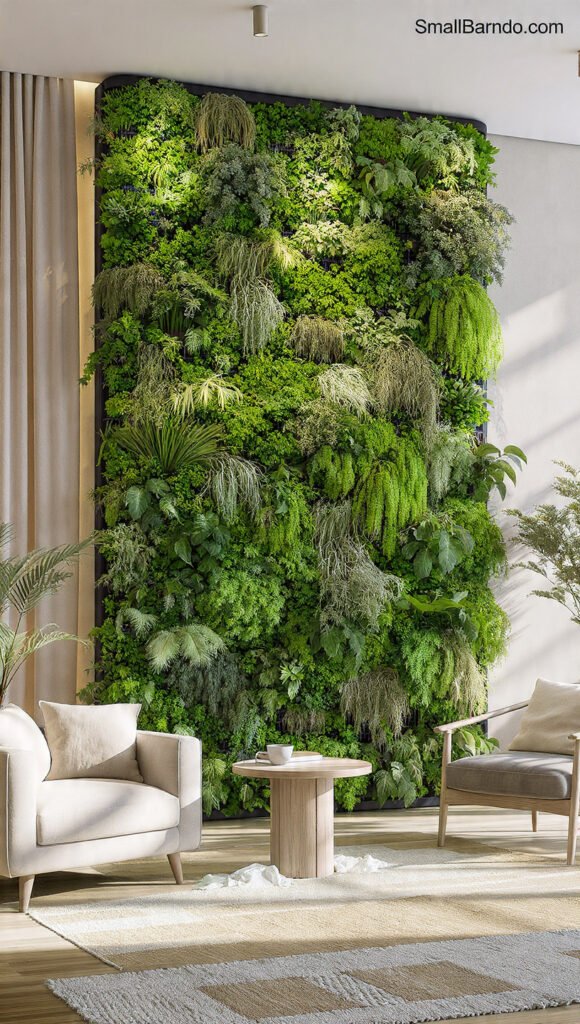
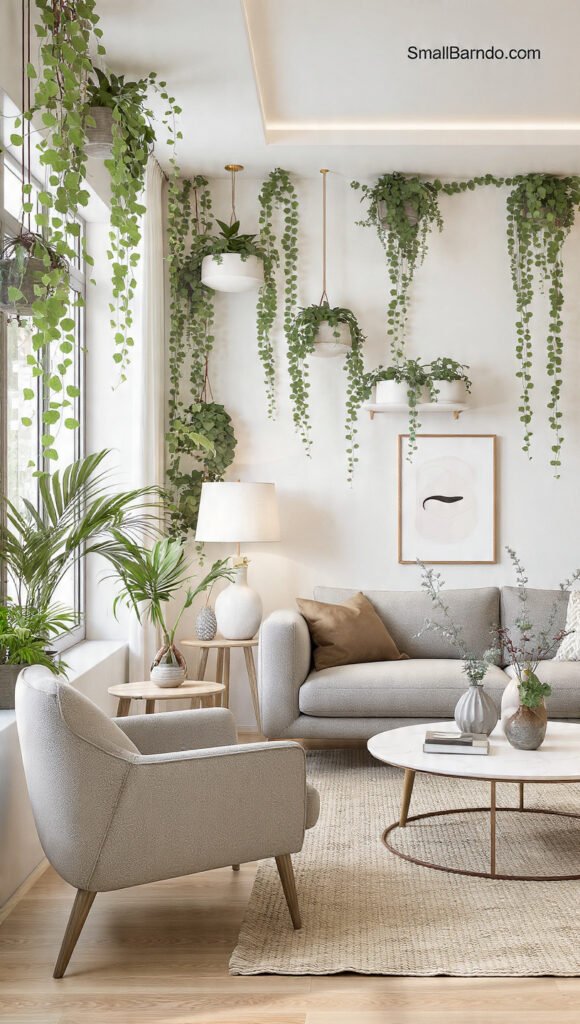
- Vertical Gardens: If you are short on floor space, use wall-mounted planters for a “living wall” effect.
- Dried Florals: Pampas grass or dried eucalyptus provide texture without the maintenance of watering.
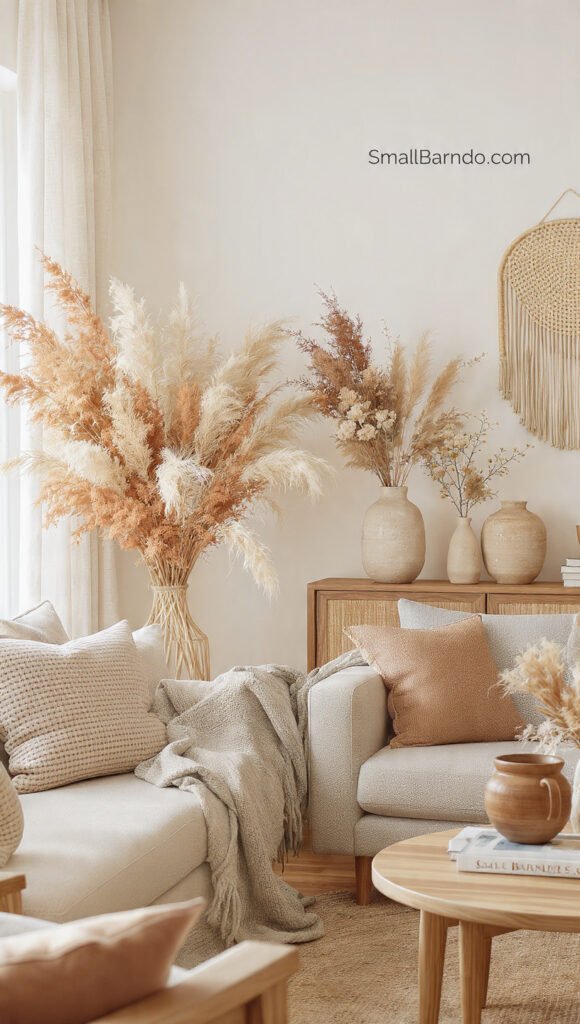
- Trailing Vines: Let a Pothos or Philodendron trail off a high shelf to soften the vertical lines of your room.
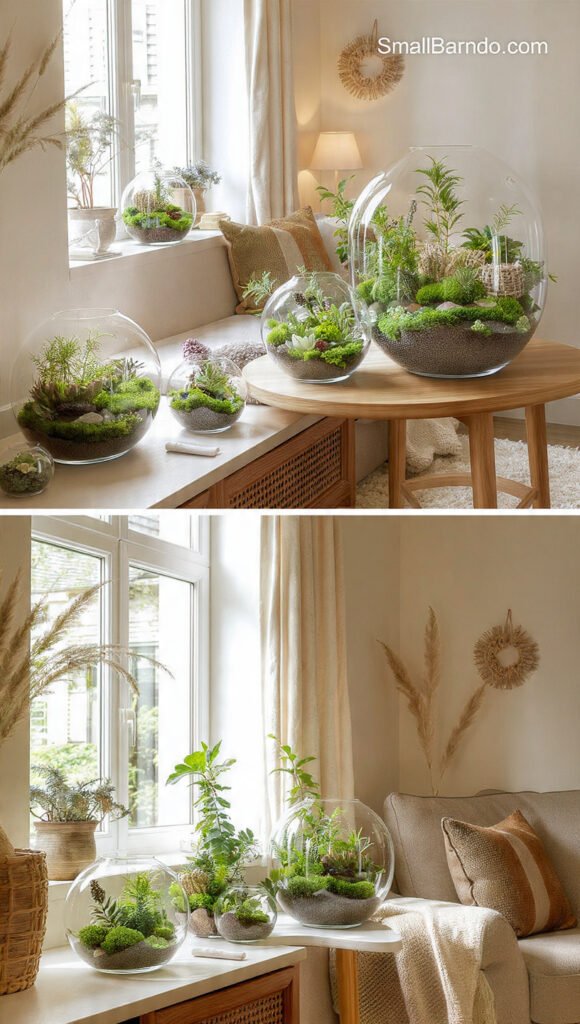
- Terrarium Clusters: Small glass ecosystems on a coffee table act as miniature art pieces.
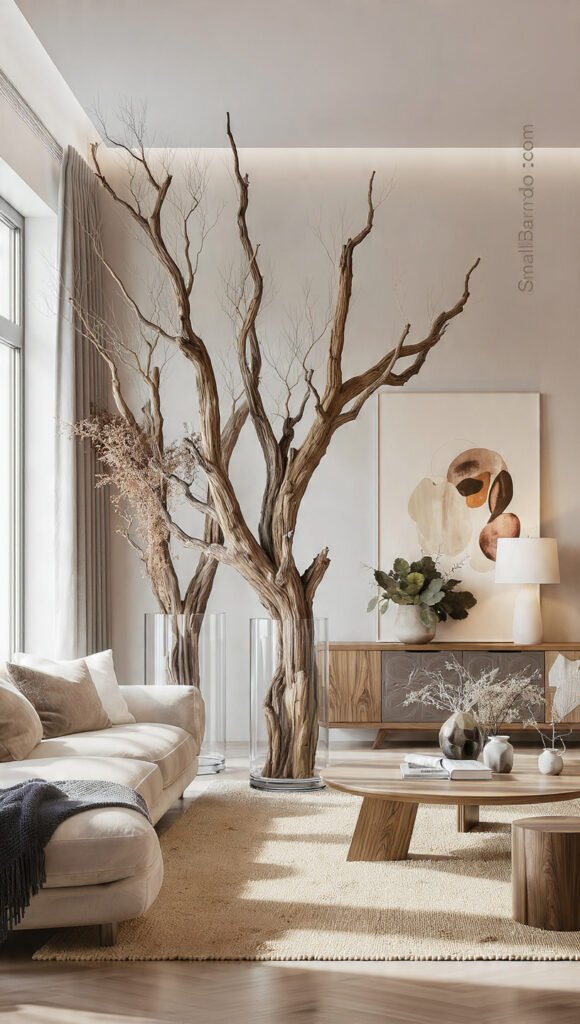
- Oversized Branches: A single, large sculptural branch in a tall vase is often more impactful than a bouquet of flowers.
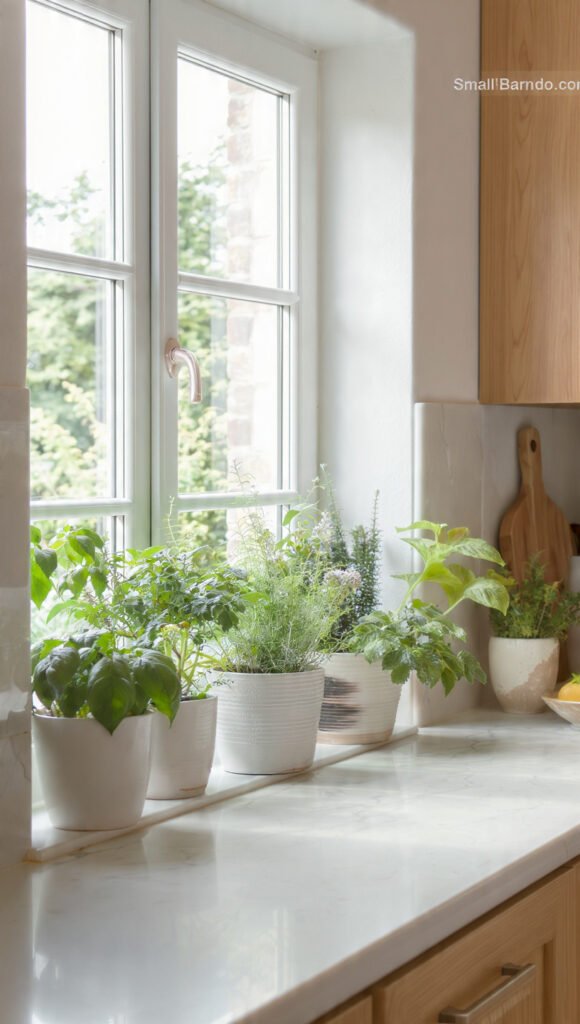
- Herb Windows: Keeping small pots of lavender or rosemary near a window adds both greenery and a calming scent.
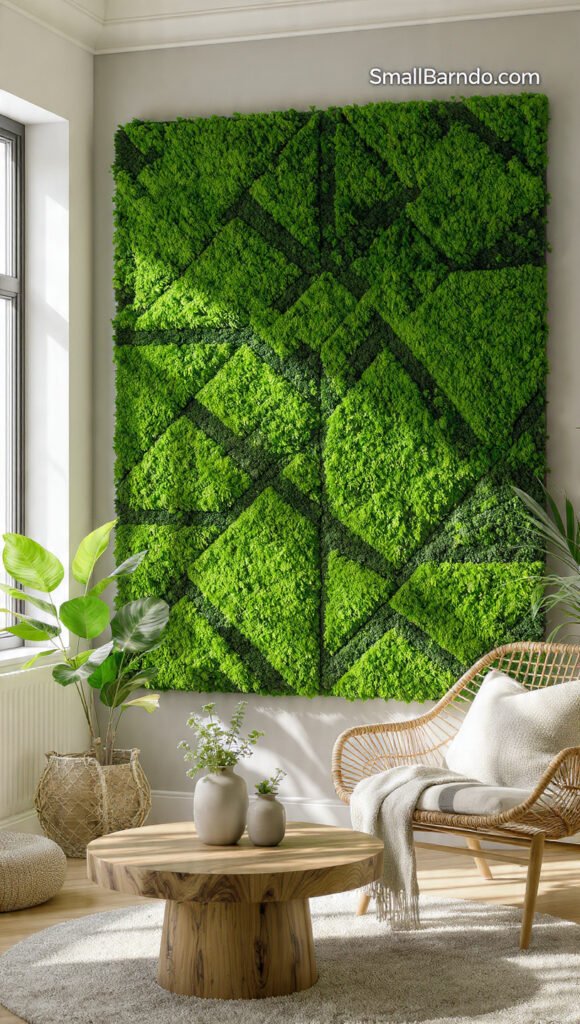
- Moss Art: Preserved moss frames are a great way to add “green” to walls that don’t get enough sunlight for live plants.
D. Lighting and Ambiance (Ideas 29–35)
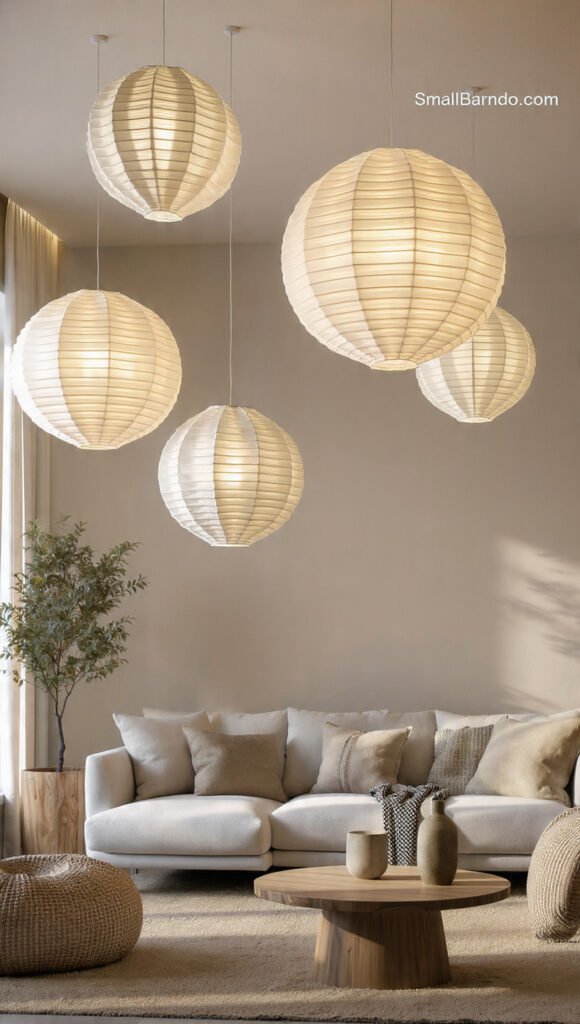
- Oversized Paper Lanterns: Based on Isamu Noguchi’s designs, these act as glowing sculptures.
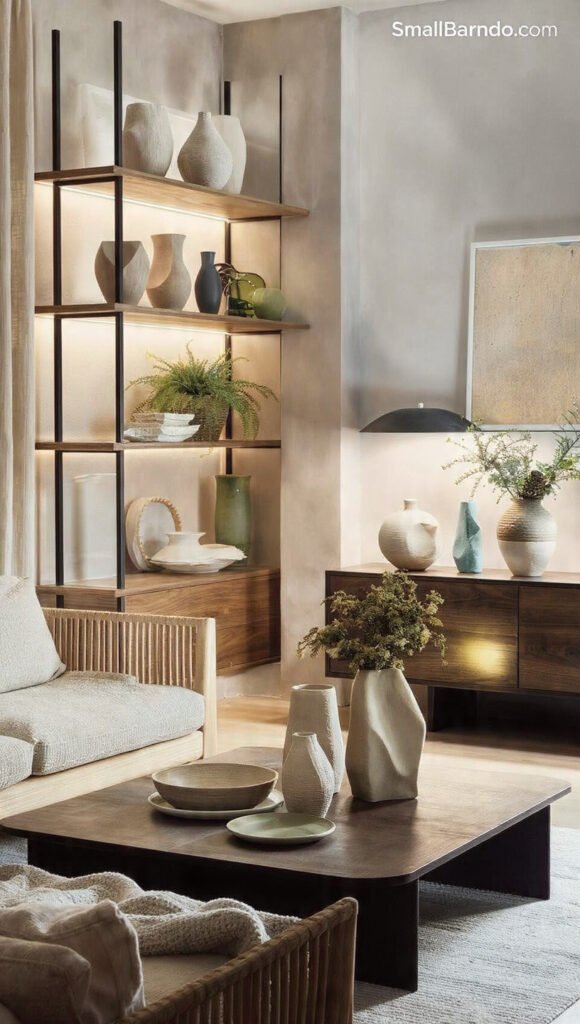
- Sculptural Ceramics: Look for table lamps with bases that look like hand-thrown pottery or weathered stone.
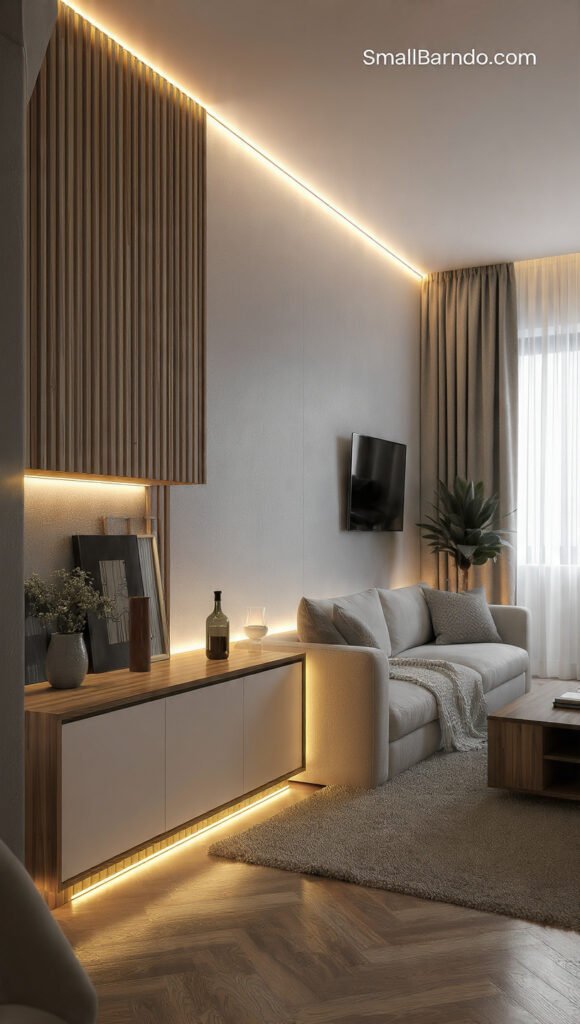
- Hidden LED Strips: Use warm LEDs behind a sofa or under a mantel for a soft, ethereal glow that mimics a sunset.
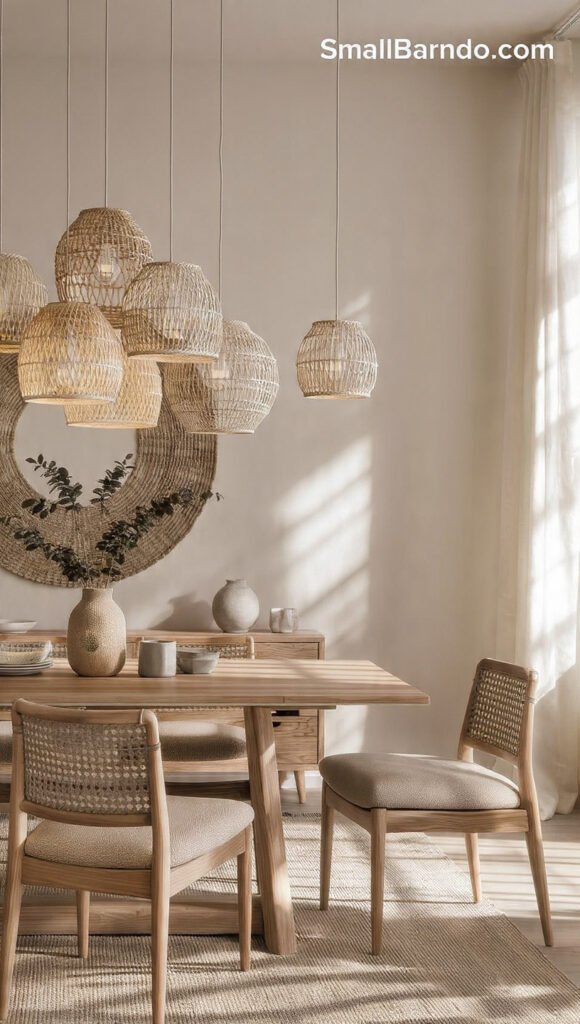
- Woven Pendant Lights: Bamboo or wicker shades create beautiful “dappled” light patterns on your walls.
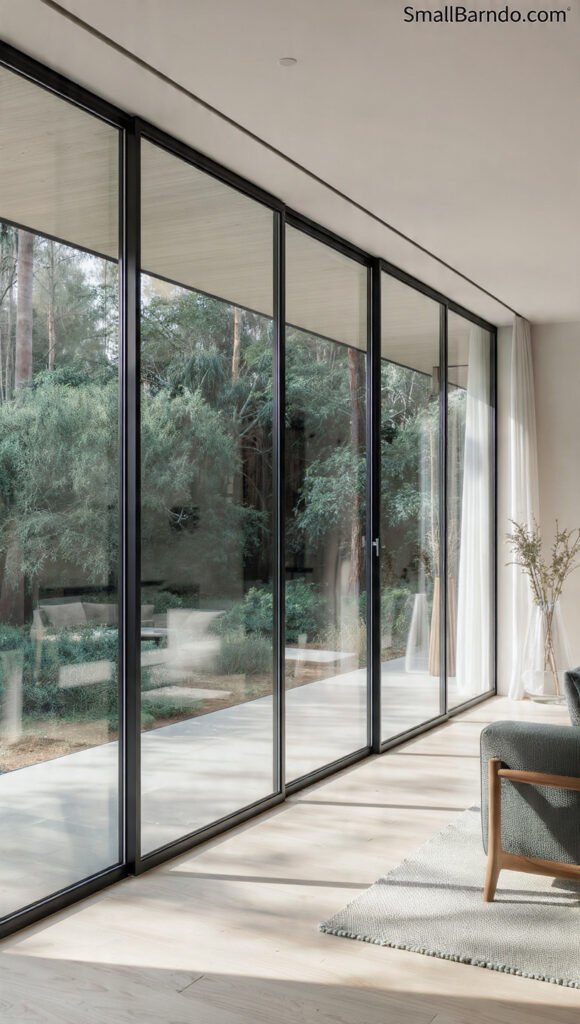
- Floor-to-Ceiling Windows: If you are renovating, removing “mullions” (the bars between glass panes) creates a seamless view of the outdoors.
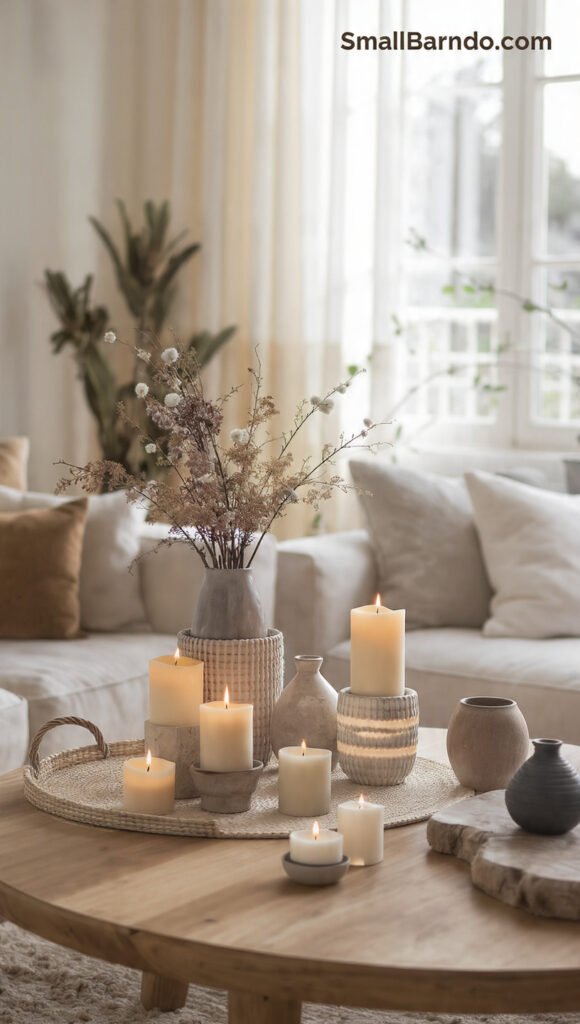
- Candle Groupings: Use unscented beeswax candles in different heights to provide a flicker of “real” fire.
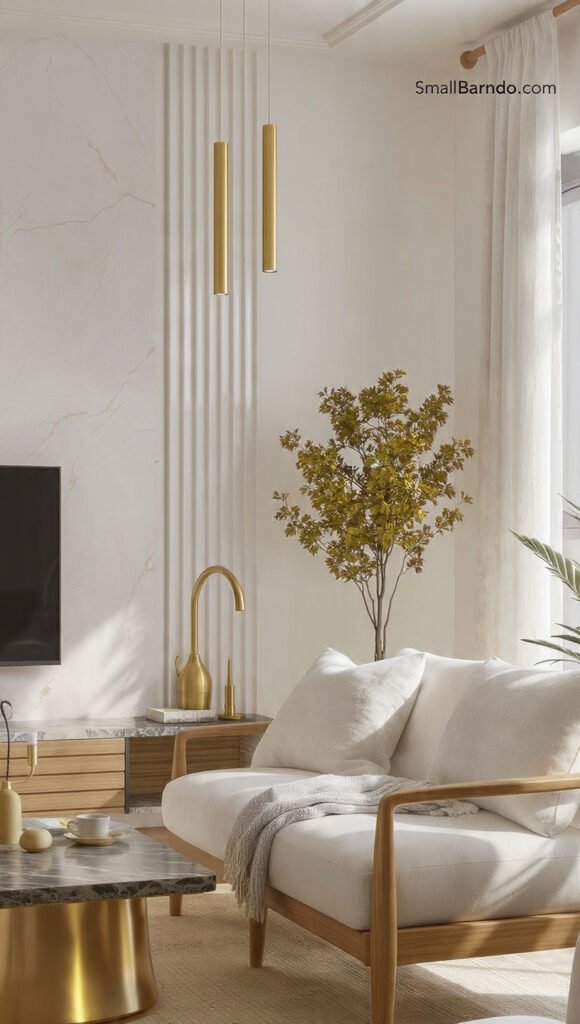
- Matte Brass Fixtures: Avoid “shiny” gold. Matte or brushed brass adds a subtle, sun-kissed warmth to your lighting.
4. Comparing Organic Modern to Minimalism
It is easy to confuse these two styles because they both value simplicity. However, understanding the difference will help you avoid making your home feel too “empty.”
| Feature | Minimalism | Organic Modern |
| Edges & Lines | Sharp, defined, geometric | Soft, rounded, irregular |
| Primary Materials | Glass, chrome, polished concrete | Wood, stone, wool, clay |
| Atmosphere | Gallery-like, high-order, sterile | Warm, inviting, grounded |
| Living Element | Rare or very structured | Essential and “wild” |
| Daily Vibe | “Look, don’t touch” | “Sit down and stay a while” |
As you can see, while Minimalism focuses on the absence of things, Organic Modern focuses on the presence of nature.
5. Limitations and Realistic Expectations
We want your home to be beautiful, but we also want to be honest. Designing an organic modern living room comes with specific challenges you should consider before you start buying.
The Budget Constraint
Authenticity comes at a price. While you can find “look-alike” pieces made of plastic or MDF, they won’t provide the same calming tactile experience as real oak or genuine travertine. Natural materials are generally more expensive because they are durable and sustainably sourced.
- Tip: If your budget is tight, pick one “hero” piece like a high-quality solid wood coffee table and save on smaller items like pillows or curtains.
Maintenance and Durability
Natural materials “live” with you.
- Stone: Marble and limestone are porous. They will stain if you spill red wine or coffee and don’t wipe it up immediately.
- Linen: It wrinkles. If you are someone who needs every fabric to be perfectly smooth, the relaxed look of linen might stress you out rather than calm you.
- Wood: Real wood can warp if exposed to extreme humidity or direct, intense sunlight for years.
Space Requirements
The “flow” of organic modern design often requires larger, sculptural furniture. A curved “kidney” sofa looks stunning in a large open-plan room, but can make a small apartment feel claustrophobic. Always measure your “walking paths” before committing to oversized organic shapes.
6. Conclusion: Your Journey to a Calmer Home
Creating an organic modern living room isn’t a race to buy everything on this list. It is a slow, intentional process of removing what causes you stress and replacing it with what brings you peace. By focusing on texture over trend and quality over quantity, you create a space that doesn’t just look good on a screen; it feels good to your soul.
Start small. Maybe today you just swap out a plastic vase for a ceramic one, or you move your chair closer to the window. Every step toward nature is a step toward a more calming home.
7. Frequently Asked Questions (FAQ)
What exactly defines an “Organic Modern Living Room”?
The term refers to a design style that blends “Modern” (clean lines, functionality, and minimalism) with “Organic” (natural materials, earthy colors, and curved, nature-inspired shapes). The goal is to create a space that feels contemporary but warm and connected to the outdoors.
Is this style good for families with kids and pets?
It can be, but you must choose your materials wisely. Instead of a white linen sofa, you might opt for a “performance” bouclé fabric that is stain-resistant. Use “distressed” wood for your coffee table so that any new scratches from toys just blend into the natural patina.
How can I make my room feel “Organic Modern” without a full renovation?
The fastest way to achieve the look is through textiles and greenery. Replace your current throw pillows with linen or wool covers in earth tones, add a large indoor tree like an Olive or Fiddle Leaf Fig, and swap out “shiny” decor for matte, hand-crafted ceramics.
What is the biggest mistake people make with this style?
The most common mistake is making it “too beige.” Without contrast (like a few black accents or different wood stains), the room can look flat and boring. You need varying textures, rough stone against smooth wood, to create the visual interest that makes the room feel high-end.