Shipping container homes cost per Square Foot 2027 – Full Cost Breakdown Inside
Ever looked at a giant steel box and thought, “I could totally live in that”? I have, and the dream is much cheaper than reality. We all love a good DIY project, but when it comes to building, the price tag often has a mind of its own.
If you are hunting for the true cost of shipping container homes, you have likely seen those suspiciously low numbers online. Spoiler alert: those listings usually describe a metal shell, not a place with running water or electricity. It is the classic “some assembly required” trap that gets us every time.
In this shipping container home pricing guide, I am cutting through the noise to give you the real numbers for 2027. We will look at the average cost of shipping container homes, from basic conversions to fancy custom builds. Grab a coffee, and let’s figure out how to build your dream without emptying your entire savings account or losing your sanity in the process.
What Shipping Container Homes Cost per Square Foot in 2027
Calculating the shipping container homes cost is a bit like trying to guess how many jellybeans are in a jar, except the jar is made of steel and the beans are expensive. I know you want a simple number to plug into your spreadsheet, but the reality is a bit more nuanced than a single price tag.
While I wish I could give you a magic number, construction costs vary by location and design choices. Let’s look at the current landscape for 2027 to help you set realistic expectations.
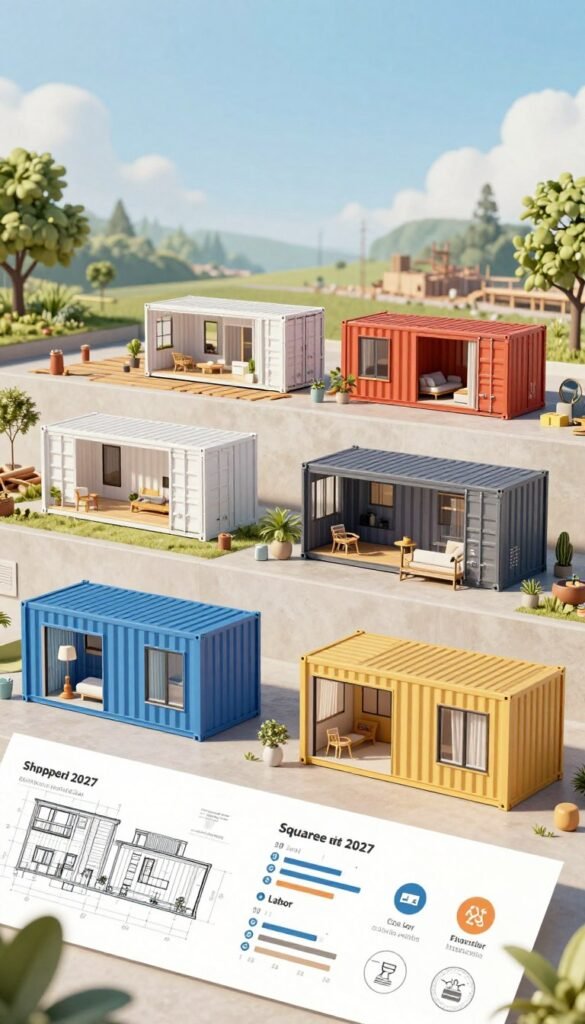
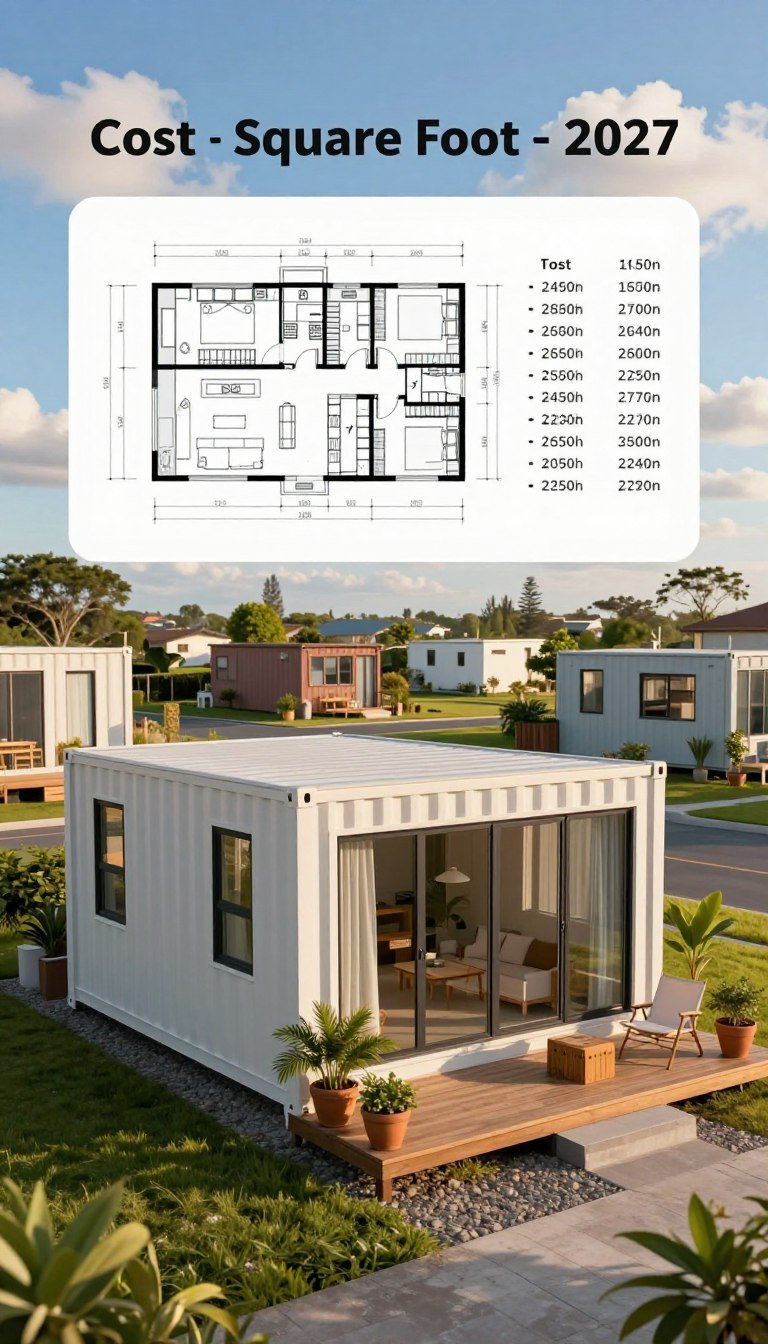
2027 national cost ranges for basic, mid-range, and high-end builds
For a basic, no-frills conversion, prices may start around $150 per square foot. These builds focus on essential shelter with minimal interior upgrades.
If you are looking for a mid-range home with standard finishes, expect to pay between $200 and $300 per square foot. High-end custom projects, which include luxury materials and complex structural modifications, can easily climb above $400 per square foot.
What the square-foot figure includes and what it leaves out
Budget-friendly shipping container house prices can be exciting, but you must read the fine print. Most square-foot estimates cover the container, basic insulation, and interior finishing work.
However, these figures often ignore the “hidden” costs that keep project managers up at night. You will likely need to budget separately for land acquisition, utility hookups, building permits, and site preparation.
Why a small container home can cost more per square foot
You might assume that a smaller home is always cheaper, but that is not always the case. When you look at the factors that influence shipping container home costs, fixed expenses play a huge role.
Whether you build a 130-square-foot studio or a 600-square-foot house, you still need to pay for the same plumbing, electrical hookups, and foundation work. Because these high-cost items are spread over fewer square feet in a tiny home, the price per square foot naturally spikes. It’s basic math, and unfortunately, math rarely cares about our feelings.
Shipping container homes cost: A realistic total project budget
Building a shipping container home is a bit like playing Tetris with your bank account. You start with a simple metal box, but the final bill can quickly stack up if you aren’t careful. Understanding the true cost of shipping container homes requires looking past the sticker price of the steel itself.
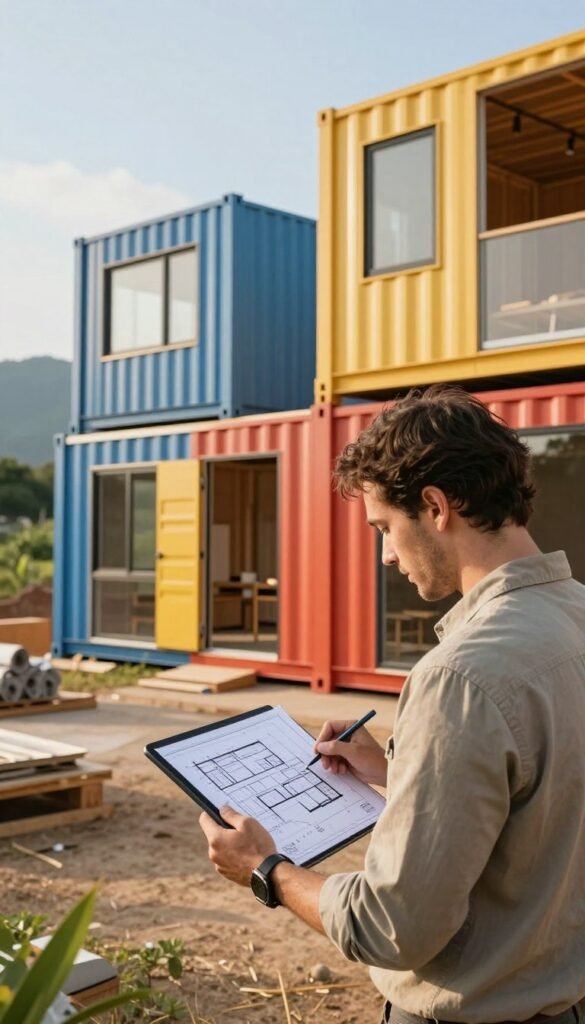
Container purchase, delivery, and unloading expenses
First, you need to buy the box. Prices vary based on whether you want a “one-trip” container or a used unit that has seen more miles than a cross-country trucker. Don’t forget that getting that heavy steel onto your property involves specialized transport and a crane, which can easily add thousands to your initial outlay.
Site preparation, foundation, and utility connection costs
Before you drop your home on the land, you need a solid base. Whether you choose a concrete slab or helical piles, foundation work is non-negotiable. Connecting to local water, sewer, and electrical grids also adds to the average cost of shipping container homes, especially if your site is off the beaten path.
Conversion, interior finishing, and exterior improvement costs
This is where the magic and the money happens. You have to cut holes for doors and windows, add insulation, and finish the interior to make it livable. While many people look for budget-friendly shipping container house prices, remember that high-quality finishes and exterior cladding will raise your total investment.
Typical all-in budgets for 160-, 320-, and 640-square-foot homes
Size matters, but not in the way you might think. A 160-square-foot studio still needs a bathroom, a kitchen, and an electrical panel, which means the cost per square foot stays high. You might see a 320-square-foot build range from $35,000 to $80,000 depending on your taste.
If you scale up to a 640-square-foot home, you gain efficiency, but joining multiple units adds complexity and raises labor costs. Keep these figures in mind to ensure your budget-friendly shipping container house prices don’t turn into a financial headache. Always aim for a realistic view of the average cost of shipping container homes to keep your project on track.
How Container Size and Layout Change the Final Price
If you think building with shipping containers is just like stacking giant Lego bricks, I have some news that might sting a little. While those plastic blocks snap together easily, steel containers require more heavy lifting and engineering. Understanding how these dimensions impact the average cost of shipping container homes is the first step toward keeping your wallet happy.
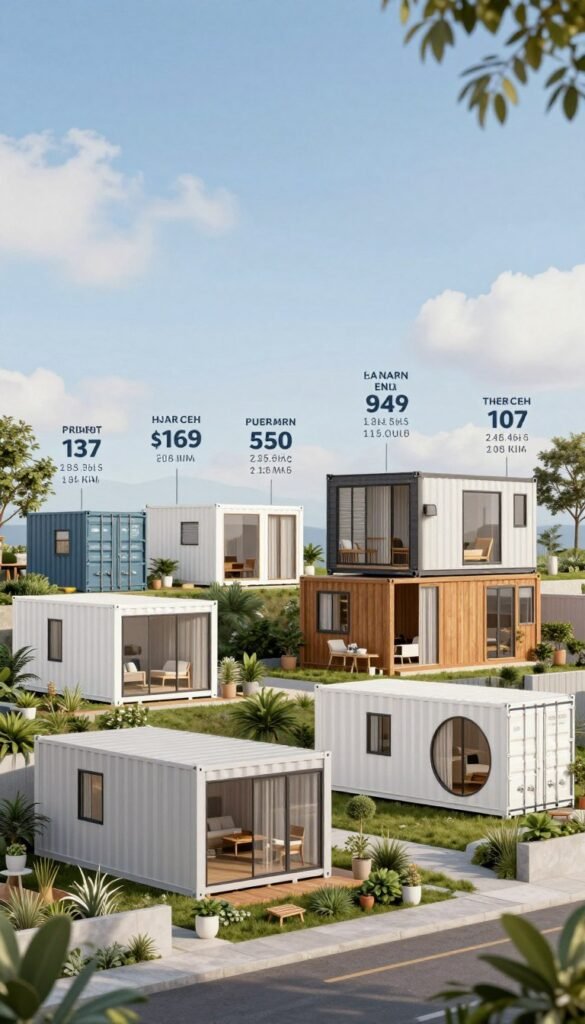
20-foot containers for compact studios and guest houses
A 20-foot container offers about 160 square feet of space. It is a fantastic choice for a minimalist studio or a backyard guest house. However, keep in mind that the fixed costs for doors, windows, and electrical hookups remain high regardless of the footprint.
40-foot containers for more efficient living space
Stepping up to a 40-foot container usually provides better value per square foot. You get double the length for only a marginal increase in delivery and site prep costs. This efficiency is a cornerstone of any reliable shipping container home pricing guide.
Multi-container layouts for bedrooms, offices, and larger households
When you start joining multiple units, the complexity and the price begin to climb. You are no longer just modifying a box; you are creating a structural system that requires precise welding and reinforcement. This is where you can carve out dedicated bedrooms or home offices, but remember that every connection point adds to your labor bill.
Open plans, corridors, plumbing walls, and other layout cost drivers
Layout choices are the silent killers of a construction budget. Creating an open floor plan often requires expensive steel beams to maintain structural integrity after you cut through walls. Also, grouping your “wet” rooms, like kitchens and bathrooms, along a single plumbing wall can save you a fortune in pipe runs.
Corridors might seem like a good idea for privacy, but they eat up valuable square footage that you have already paid to transport and insulate. Stick to simple, efficient designs to keep the average cost of shipping container homes within your reach. After all, you want to spend your money on cool finishes, not on hidden structural gymnastics.
What You Actually Get for the Money
Buying a container home is a bit like ordering a pizza; you can get a plain cheese slice or the works with extra toppings. It is easy to get lost in the hype, but I want to help you understand exactly what you are paying for at every level. Let’s look at the reality of these steel structures without the marketing fluff.
Basic container conversion: essential shelter at the lowest price
Features included in a budget build
When you hunt for affordable shipping container homes, you are usually looking at a “shell” build. These units typically include basic insulation, simple drywall, and standard electrical wiring. Think of it as a dry, secure box that keeps the rain off your head.
Pros of choosing a basic conversion
The biggest win here is the price tag. You get a functional, weather-tight structure without the massive debt that comes with traditional construction. It is a fantastic entry point for those who want to finish the interior work themselves over time.
Cons and livability compromises
You might find the space feels a bit like a dorm room. Budget builds often lack high-end soundproofing or advanced climate control systems. You are essentially trading luxury for pure utility.

Mid-range container home: the practical value choice
Features that justify the higher price
Moving up to the mid-range tier, you start seeing cost-effective shipping container home options that actually feel like a real house. These builds include better insulation, high-quality flooring, and custom cabinetry. You are paying for comfort and durability that lasts.
Pros for full-time residential use
These homes are designed for actual living, not just weekend camping. You get reliable plumbing, efficient heating, and a layout that supports daily routines. It is the sweet spot for most families.
Cons that can affect the budget
The price creeps up quickly once you add real appliances and professional finishes. Be careful not to let “feature creep” turn your practical build into a money pit. Keep your eyes on the spreadsheet!
High-end container home: premium design and customization
Features such as custom glazing, upgraded kitchens, and architectural finishes
If you have the budget, the sky is the limit. We are talking floor-to-ceiling glass, chef-grade kitchens, and custom millwork that hides the fact that you are living in a shipping container. These are truly bespoke architectural statements.
Pros of a luxury specification
You get a one-of-a-kind home that turns heads in the neighborhood. The resale value and the sheer “wow” factor are hard to beat. Plus, you get the highest level of energy efficiency and smart-home tech.
Cons of paying for premium container construction
The main downside is the cost-to-value ratio. At this level, you are paying a premium for the novelty of the container. You might find traditional construction offers similar luxury for less, so choose your path wisely.
Container Purchase, Delivery, and Structural Modification Costs
Buying a shipping container is a lot like buying a used car; it is all about the history, the hidden dents, and how much life it has left in the tank. While the container is the star of the show, it is often the least expensive line item when you calculate the total shipping container home cost. Getting that steel box from the port to your property is where the real adventure and the real spending begins.

New, one-trip, cargo-worthy, and used container pricing
You have options ranging from “brand new” to “well-loved.” One-trip containers are essentially new, having made only a single ocean journey, which keeps them looking sharp and dent-free. Cargo-worthy units are the workhorses that have seen some action but still meet international shipping standards.
Used containers are the budget-friendly choice, but they come with baggage. You might deal with rust, chemical residues, or floors that have seen better days. Always inspect these units for structural integrity before you commit your hard-earned cash.
Delivery distance, crane access, and placement charges
Never underestimate the cost of moving a giant metal box. The container price is one thing, but the delivery fee is where many builders get a nasty surprise. If your site is off the beaten path, those transport costs will climb faster than a squirrel on an espresso binge.
You also need to consider crane access. If the delivery truck cannot simply slide the container onto your foundation, you will need a crane. That “simple” placement can easily add thousands to your budget, which is one of the major factors influencing shipping container homes’ cost.
Cutting doors and windows without compromising structural strength
A shipping container is strong because of its corrugated steel walls and corner posts. When you start cutting holes for doors and windows, you are essentially removing the “bones” of the structure. You cannot just grab a saw and start hacking away without a plan.
Every cut weakens the frame. You must account for the loss of rigidity by adding steel supports around your new openings. It is a bit like taking the structural integrity of a soda can and trying to turn it into a windowed house it requires some serious engineering finesse.
Engineering, welding, reinforcement, and corrosion repair
Unless you are a master welder with a degree in structural engineering, you will likely need to hire a pro for this part. Welding steel reinforcement is not the place to practice your DIY skills. You need to keep the load paths intact so your roof doesn’t decide to visit the floor unexpectedly.
Corrosion repair is another hidden cost. If you bought a used container, you might need to grind down rust and apply specialized coatings. Ignoring these repairs is a recipe for a leaky, sad-looking home down the road.
When combining containers costs less or more than expected
Stacking or joining containers can create a massive, beautiful space, but it also adds complexity. You are not just buying more steel; you are paying for the labor to weld them together and seal the seams. It is a classic case of “more is more” when it comes to your wallet.
Sometimes, combining units is cheaper than building a custom addition, but the structural requirements for multi-story builds are intense. Always weigh the design benefits against the extra engineering costs. After all, you want a home that stands tall, not one that requires a permanent lean-to for support.
Interior Build-Out Costs for a Code-Compliant Home
Turning a steel box into a cozy home is a bit like putting a tuxedo on a grizzly bear; it takes some serious effort to make it work. You cannot just toss a mattress inside and call it a day unless you enjoy living in a giant, corrugated sauna. To make this space livable, focus on the systems that turn raw steel into a functional residence.
Insulation, thermal bridging, and moisture control
Steel is a fantastic conductor of heat, which is great for shipping goods but terrible for human comfort. If you skip proper insulation, you will deal with massive condensation issues and extreme temperature swings. You must address thermal bridging by creating a thermal break between the steel walls and your interior finish.
Using spray foam is often the gold standard here because it seals gaps and provides a high R-value. It prevents that dreaded “sweating” effect where moisture builds up behind your walls and invites mold to the party. Proper vapor barriers are non-negotiable if you want your home to last more than a few seasons.
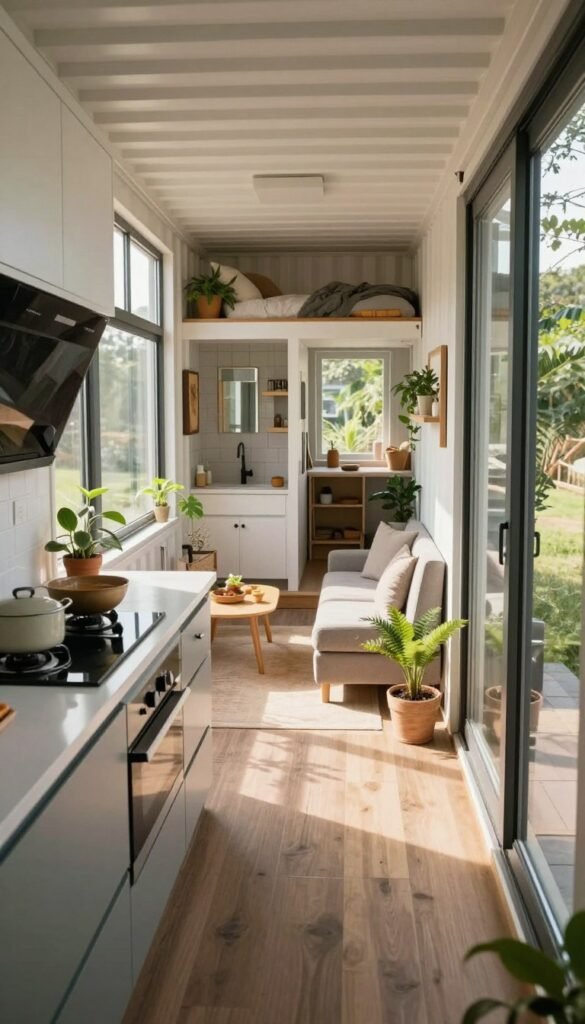
Framing, drywall, flooring, cabinets, and interior doors
Once the shell is insulated, you need to frame out your interior walls. Most builders use light-gauge steel or wood studs to create a skeleton for your drywall or paneling. This is where your floor plan finally starts to look like an actual house instead of a cargo ship remnant.
Flooring choices depend on your budget, but remember that containers can shift slightly over time. Flexible materials or floating floors can save you from cracked tiles later. Don’t skimp on quality interior doors, as they provide the privacy you will definitely crave in a compact footprint.
Kitchen, bathroom, appliances, and plumbing fixtures
The kitchen and bathroom are the most expensive rooms to build, regardless of the structure. You need to run plumbing lines through the steel floor, which requires precision cutting and sealing. It is smart to group these “wet” rooms together to keep your plumbing runs short and your costs manageable.
When shopping for appliances, look for compact or apartment-sized units to save precious square footage. High-quality fixtures might cost more upfront, but they prevent leaks that are notoriously difficult to fix inside a steel wall. Investing here is a key step in creating one of those truly affordable shipping container homes that doesn’t break the bank on repairs.
Heating, cooling, electrical wiring, and ventilation
Because these homes are essentially giant metal boxes, ventilation is your best friend. You need a robust HVAC system to manage airflow and prevent stale, humid air from lingering. A mini-split system is often the most efficient choice for heating and cooling these tight spaces.
A pro must do the electrical work to meet local building codes. You will need plenty of outlets and proper lighting to make the space feel open and bright. Never DIY electrical unless you want your home to become a very expensive, very bright lightbulb.
How finish selections affect affordable shipping container homes
It is tempting to pick the cheapest materials to keep your budget low. However, bargain-bin finishes often lead to higher maintenance costs and a lower resale value. Find the sweet spot where durability meets style.
Mid-range materials let you build affordable shipping container homes that feel premium without the luxury price tag. Focus your spending on high-traffic areas like floors and countertops. You can always save money on paint or cabinet hardware later, but you cannot easily swap out a cheap, failing floor.
Land, Foundation, Utilities, Permits, and Professional Fees
If you think your budget ends at the price of the steel container, I have some bad news that might make your bank account weep. Building a home is like buying a fancy suit; the container is just the jacket, and the tailoring is where the real money goes. These hidden expenses heavily influence shipping container homes’ cost, and ignoring them is a recipe for a financial headache.
Land purchase or lease costs that should not be hidden in the estimate
Before you can place your metal masterpiece, you need a place to put it. Land prices vary wildly depending on whether you are buying a remote plot or a suburban lot. Don’t forget to factor in the cost of land surveys, which are essential to ensure you aren’t accidentally building on your neighbor’s petunia patch.
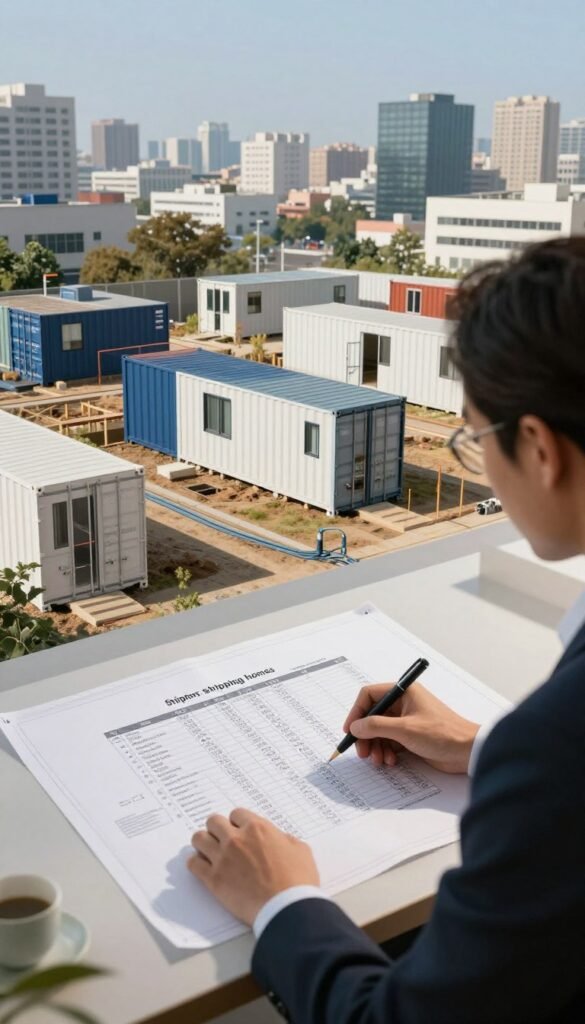
Foundation choices: concrete slab, piers, helical piles, and crawl spaces
Your foundation choice depends heavily on your soil type and local frost depth. A simple concrete slab is common, but piers or helical piles might be cheaper if your site is sloped or prone to drainage issues. Choosing the right base is one of the most critical factors influencing shipping container homes’ cost because it keeps your structure level and dry.
Water, sewer, septic, electric, propane, and internet connections
Unless you plan on living like a hermit, you will need to connect to the grid. Bringing power lines or water pipes to a remote site can cost thousands of dollars in trenching and utility fees. If you are off-grid, you must budget for a septic system, solar arrays, or a well, which adds significant complexity to your project.
Building permits, plan review, inspections, and zoning approvals
This is the least glamorous part of the process, but it is non-negotiable. You will need to pay for building permits, structural plan reviews, and a series of municipal inspections. Zoning laws can be tricky, so check your local codes early to avoid expensive redesigns later.
Architects, structural engineers, contractors, and surveyors
You might be tempted to DIY everything, but hiring professionals is often a smart move. A structural engineer ensures your container doesn’t buckle when you cut out those fancy windows. These professional fees are key factors in shipping container homes cost, but they provide peace of mind that your home won’t turn into a giant, expensive paperweight.
Regional Factors Influencing Shipping Container Homes Cost
If you think a shipping container home costs the same in Miami as it does in rural Montana, I have a bridge to sell you. Geography is one of the biggest factors influencing shipping container homes cost, and ignoring it is like trying to wear flip-flops in a blizzard. Your zip code dictates everything from the price of steel to the cost of a permit.
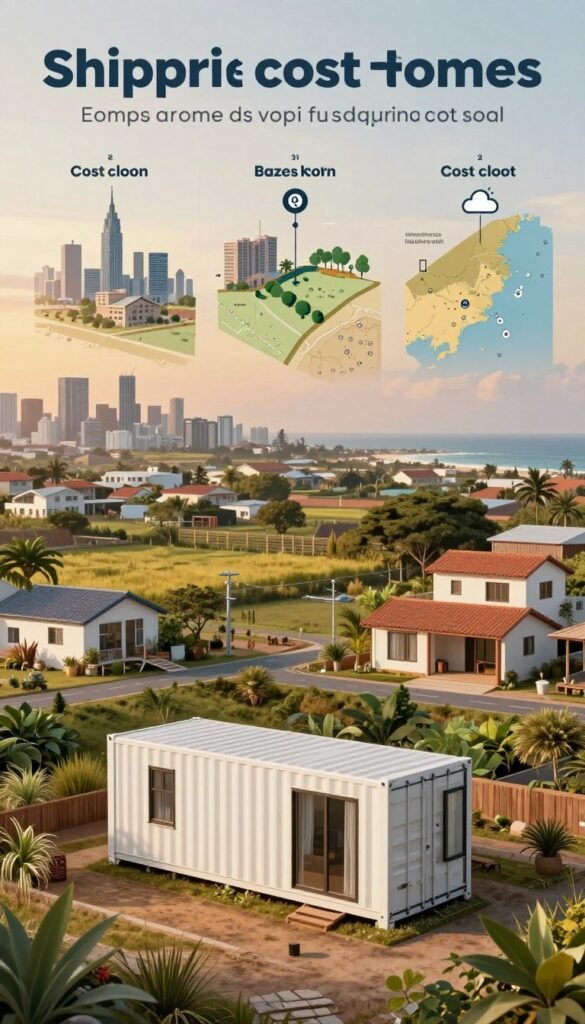
Why coastal, urban, rural, and remote sites produce different estimates
Building in a dense urban center like Los Angeles often means higher labor rates and limited space for crane access. You might pay a premium just to get the truck parked on the street. Conversely, rural sites might offer cheaper land but hit you with massive fees for bringing utilities to a remote plot.
Coastal areas bring their own headaches. Salt air is the enemy of steel, requiring specialized coatings and more frequent maintenance. These environmental realities can significantly affect your long-term budget.
Climate requirements in cold, hot, humid, and hurricane-prone states
If you are building in a cold climate like Minnesota, your insulation needs will be much higher than in Arizona. You must account for frost depth when pouring foundations, which adds to excavation costs. Snow loads also require extra structural reinforcement for your roof.
In hurricane-prone states like Florida, building codes are incredibly strict. You will need to spend more on wind-rated windows and heavy-duty anchoring systems. These safety features are non-negotiable, but they definitely push the price tag upward.
Local labor rates, material availability, and transportation distances
Labor is not priced the same across the country. A contractor in Austin might charge double what a builder in a small Midwest town charges for the same task. You also need to consider how far your containers have to travel from the nearest port or depot.
Transportation costs can eat your budget alive if you are not careful. If you live far from a major shipping hub, delivery fees for those steel boxes can skyrocket. Always check local material availability before you fall in love with a specific design.
State and municipal rules that can make container homes difficult to approve
Some states are very friendly toward alternative housing, while others treat shipping containers like a science experiment gone wrong. You might face long delays in the permitting office if your local zoning board has never seen a container home before. These administrative hurdles often lead to higher professional fees for architects and engineers.
Always research your local building department’s stance on modular steel structures early. Getting a “no” after you have already bought the land is a classic rookie mistake. It is better to be prepared for a fight with the bureaucrats than to be surprised by one.
How to adjust national 2027 estimates for a specific U.S. location
To get a real number, take the national average and apply a local multiplier based on your area’s cost of living. You can find these indices through local construction associations or by asking a few general contractors for their “ballpark” rates. This simple shipping container home pricing guide approach helps you avoid the trap of relying on one generic national figure.
Factor in local permits and site-specific engineering requirements. Add a 15% contingency buffer for regional surprises to be much safer. Remember, your specific county is the only one that matters when the bill comes due.
Hidden Expenses That Can Break a Container Home Budget
Hidden expenses are the uninvited guests at your construction party, and they usually bring a very expensive bill. While you may start with a clear vision, several factors that influence shipping container home costs can quickly turn your dream into a financial plot twist. Site conditions alone can add $40,000 to $100,000 to your total project.
Unexpected site excavation, grading, drainage, and retaining walls
You might think your land is flat, but the earth often has other plans. Excavation and grading are rarely as simple as they look on paper. If your site requires complex drainage systems or heavy-duty retaining walls to prevent erosion, your budget will feel the pinch immediately.
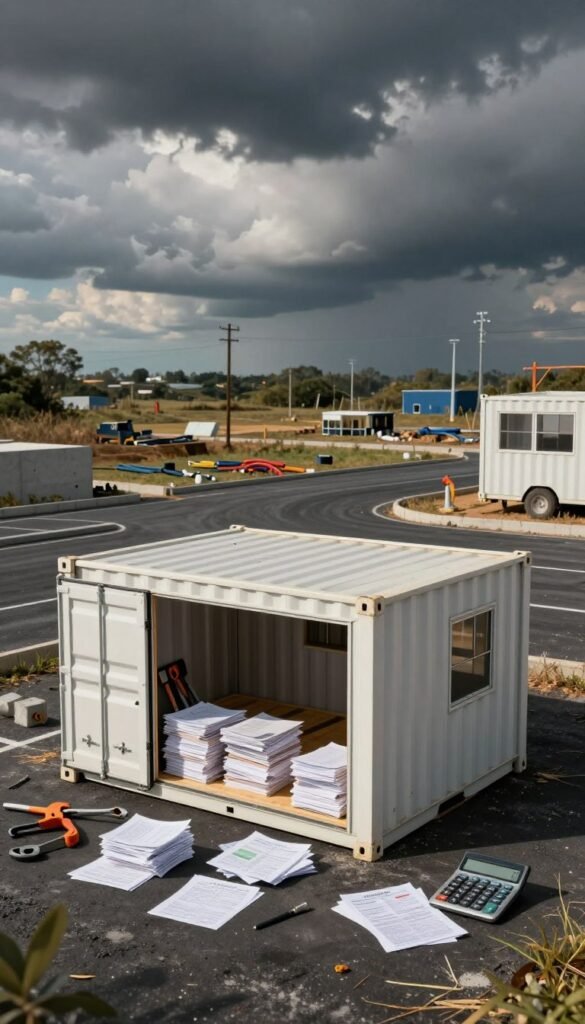
Asbestos, lead paint, chemical residue, and damaged-container remediation
Buying a used container is a great way to keep budget-friendly shipping container house prices low, but it comes with risks. You might find lead-based paint or chemical residues from past cargo that require professional remediation. Always inspect the steel’s structural integrity, as hidden rust or dents can lead to expensive repairs before you even start framing.
Utility upgrades, temporary housing, storage, and construction financing
Don’t forget the “invisible” costs of living while you build. You may need to pay for temporary housing or storage units if your project takes longer than expected. Utility upgrades, like bringing power or water to a remote site, can be shockingly expensive. High interest rates on construction loans can also eat into your savings faster than you can say “over budget.”
Interior condensation, overheating, and soundproofing corrections
Steel is a fantastic conductor of heat and cold, which is a polite way of saying your home could become a giant oven or a freezer. If you skimp on high-quality insulation or moisture barriers, you will pay for it later in energy bills or mold remediation. Soundproofing is another area where cutting corners leads to noisy, echoing rooms that feel more like a warehouse than a home.
A contingency reserve for design changes and price increases
If you want to maintain those budget-friendly shipping container house prices, you must prepare for the unexpected. I always recommend setting aside a contingency fund of at least 15% to 20% of your total budget. This cushion protects you when material costs spike or when you decide that the kitchen layout needs a last-minute change. It is better to have the money and not need it than to be stuck with an unfinished project.
Cost-Effective Shipping Container Home Options Compared
Navigating the world of container construction requires a map, especially when you are trying to find the most cost-effective shipping container home options. It is easy to get lost in the hype, but your project management choice will ultimately dictate your stress levels and your final bank balance.
Buying a finished modular container home
Features, advantages, disadvantages, and best-fit buyers
Modular homes are built in a factory and shipped to your site ready for utility hookups. The biggest advantage is speed, as the factory environment avoids weather delays and messy site conditions.
However, you lose out on total customization. These are best for buyers who want a predictable timeline and do not mind a standardized aesthetic.
Hiring a contractor for an on-site conversion
Features, advantages, disadvantages, and best-fit buyers
Hiring a pro means you get a custom build tailored to your specific land and vision. You gain professional expertise, which is vital for structural integrity and local code compliance.
The downside is the price tag, as labor costs add up quickly during a long on-site build. This path suits those with a healthy budget who want a hands-off experience.
Managing a partial owner-builder project
Features, advantages, disadvantages, and best-fit buyers
If you enjoy DIY projects, managing the build yourself can save a significant amount of money. You act as the general contractor, hiring subcontractors for specialized tasks like plumbing and electrical work.
Be warned: this requires serious time and project management skills. It is perfect for the adventurous soul who wants to learn the ropes and save on labor costs.
Using a standard plan instead of a fully custom design
Where standardization saves money and where it can create limitations
Using a pre-existing blueprint is one of the most reliable, cost-effective shipping container home options available today. You avoid the high fees of custom architectural drawings and engineering revisions.
While you save money, you might have to compromise on your dream layout. Standardization is ideal for those who value efficiency over unique, one-of-a-kind architectural features.
Remember that a cheap kit priced at $7,000 might look like a bargain, but it can easily balloon to $60,000 once you add foundations and utilities. Always keep a healthy contingency fund, because housing projects rarely follow a perfect script.
How to Lower Shipping Container Home Pricing Without Cutting Safety
Let’s be real: nobody wants to spend a fortune on a project that started as a way to save money. You want a cool, modern space, but you also want to keep your bank account happy. Finding affordable shipping container homes is possible if you stop trying to reinvent the wheel and focus on smart, efficient design choices.
Choose a simple footprint and stack wet-room plumbing efficiently
The easiest way to blow your budget is to design a complex, multi-level structure that requires heavy structural reinforcement. Stick to a simple, rectangular footprint to keep your steel costs low. If you stack your kitchen and bathroom back-to-back or on top of each other, you save a massive amount on plumbing labor and materials.
Buy locally and compare delivered container prices
Shipping a giant metal box across the country can turn a bargain into a budget disaster. Always look for suppliers within a reasonable driving distance to keep transportation fees from eating your lunch. When searching for cost-effective shipping container home options, get at least three quotes for delivery and crane placement before you commit to a seller.
Prioritize insulation, windows, roofing, and mechanical systems
It is tempting to spend your money on fancy countertops, but please, prioritize the “boring” stuff first. High-quality insulation, double-pane windows, and a solid roof are non-negotiable for your long-term comfort. If you skimp on these mechanical systems, you will end up paying for it in high energy bills and constant repairs later on.
Use durable mid-range finishes instead of fragile bargain materials
I know that clearance-bin flooring looks tempting, but it usually ends up looking sad after a few months of wear and tear. Choose mid-range materials that can actually handle the unique expansion and contraction of a steel structure. Investing in quality finishes now means you won’t have to replace them in two years, which is the definition of a smart investment.
Verify contractor bids, permits, warranties, and change-order terms
Before you sign any contracts, make sure you understand exactly what you are paying for. Review every bid to ensure there are no hidden “allowances” that could balloon into massive extra costs later. Always confirm that your contractor has a clear plan for permits and warranties, and keep a close eye on change-order terms so you don’t get hit with surprise fees mid-build.
Conclusion
Building a home out of a giant metal box sounds like a DIY dream, but the reality is a bit more grounded in logistics. You now know that the shipping container home cost is driven by site work, labor, and local regulations rather than the price of the steel itself.
I hope this shipping container home pricing guide helped you realize the box doesn’t come with a tiny construction fairy. Whether you aim for a modest $15,000 studio or a sprawling $300,000 custom build, your budget needs to account for the heavy lifting of utilities and foundations.
The average cost of shipping container homes fluctuates based on your specific zip code and design choices. Keep in mind these structures can last for decades with proper care, as long as you respect the site’s engineering requirements.
Take a deep breath and start planning your project with a clear head. Price the entire home from the ground up to avoid any nasty surprises. You have the tools to make this happen, so go build something cool.