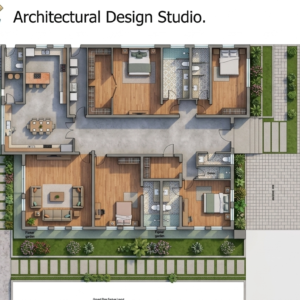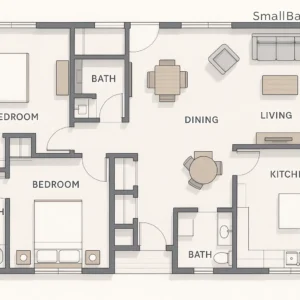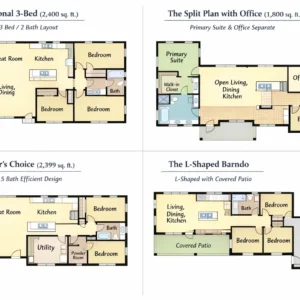
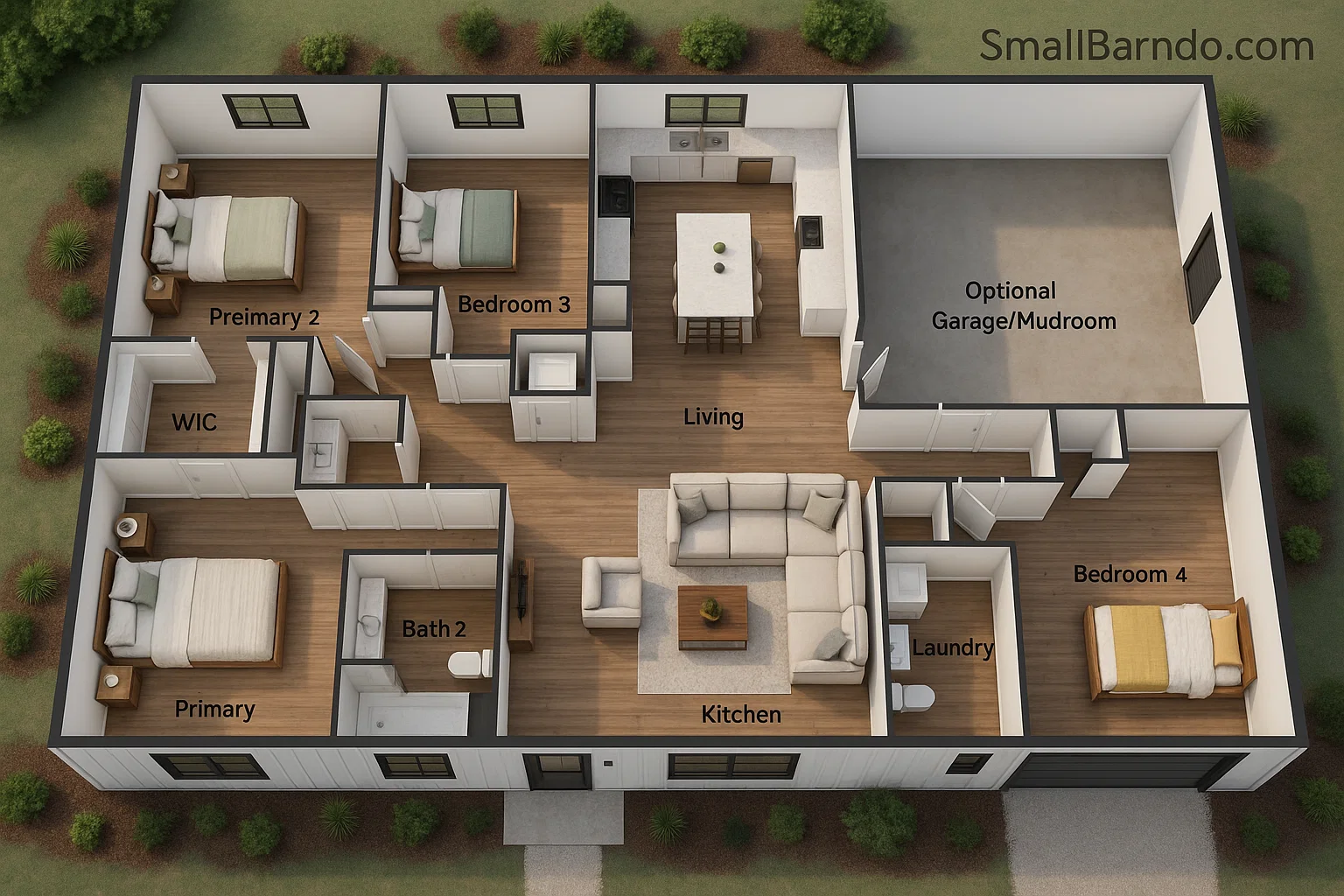
I will create custom house plans, 2D floor plans, and construction drawings
600$
I provide professional architectural services specializing in custom barndominium, residential, and pole barn designs. At $0.30 per sq. ft. of living area, I deliver efficient, permit-ready plans that balance creative innovation with your specific budget requirements. Let’s create a space that is as functional as it is beautiful.
Let’s create your dream barndominium, pole barn, or custom house plan today!
Description
In the modern construction landscape, the bridge between a dream home and a physical structure is a set of precise, professional blueprints. Whether you are a builder looking for commercial-grade layouts or a homeowner envisioning a rustic retreat, the quality of your architectural drafting determines the success of your project. This comprehensive analysis explores the essential elements of modern architectural design, focusing on the rising popularity of custom floor plans and specialized structures like barndominiums.
1. Understanding the Role of an Architect in Modern Drafting
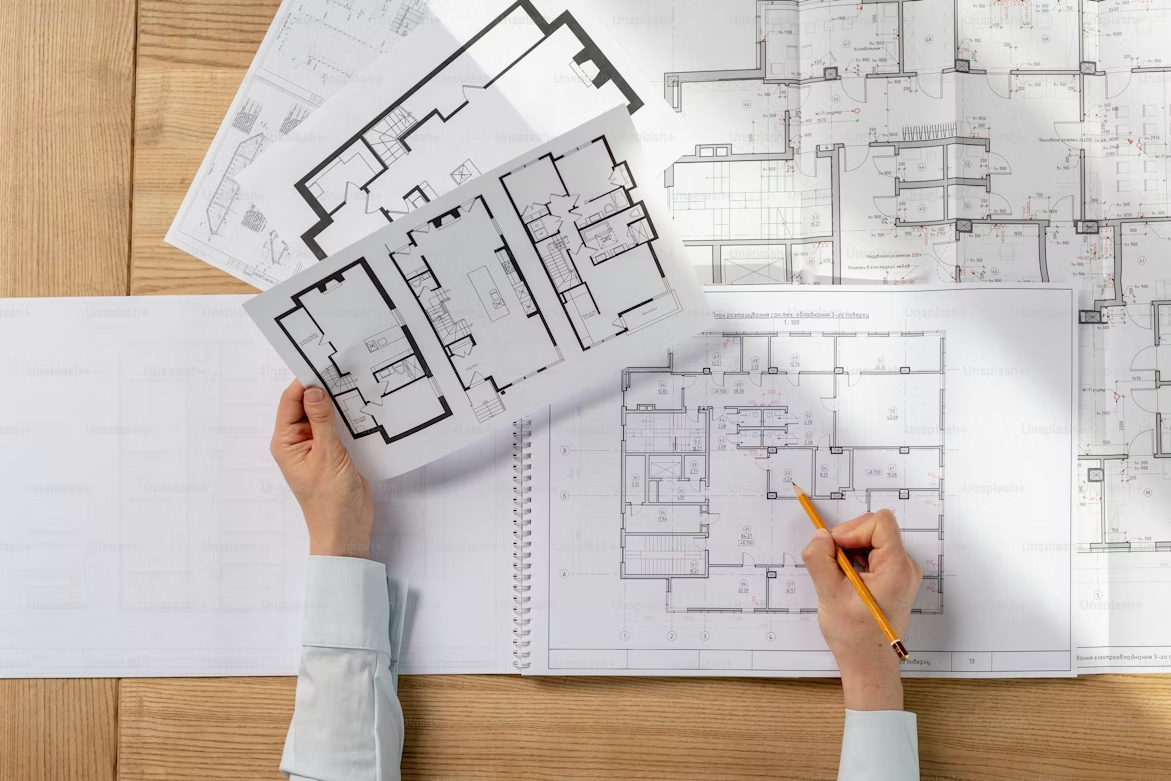
Architectural design is no longer just about drawing lines on paper. It is a multi-dimensional process that involves planning, drafting, preparing construction sets, 3D modeling, and rendering.
Professionals like Sanjay V. (sanverma96) demonstrate that a “one-stop solution” is the gold standard in the industry. By integrating Autodesk AutoCAD for precision 2D drafting with SketchUp and Lumion for 3D visualization, architects provide a roadmap that satisfies both the creative vision of the client and the technical requirements of the builder.
The Importance of Precision in Construction Sets
A construction set is more than a floor plan; it is a legal and technical document. These sets typically include:
-
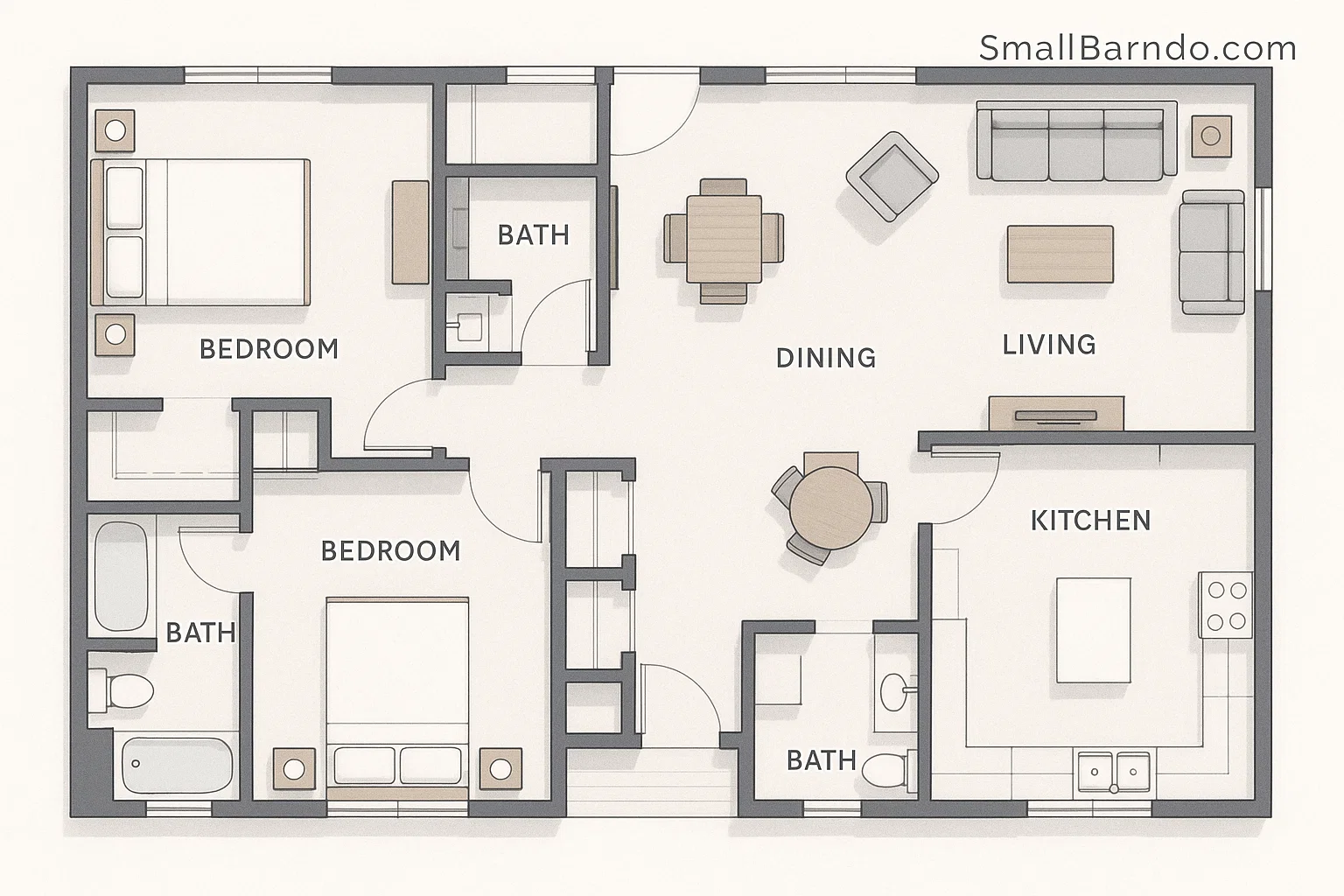
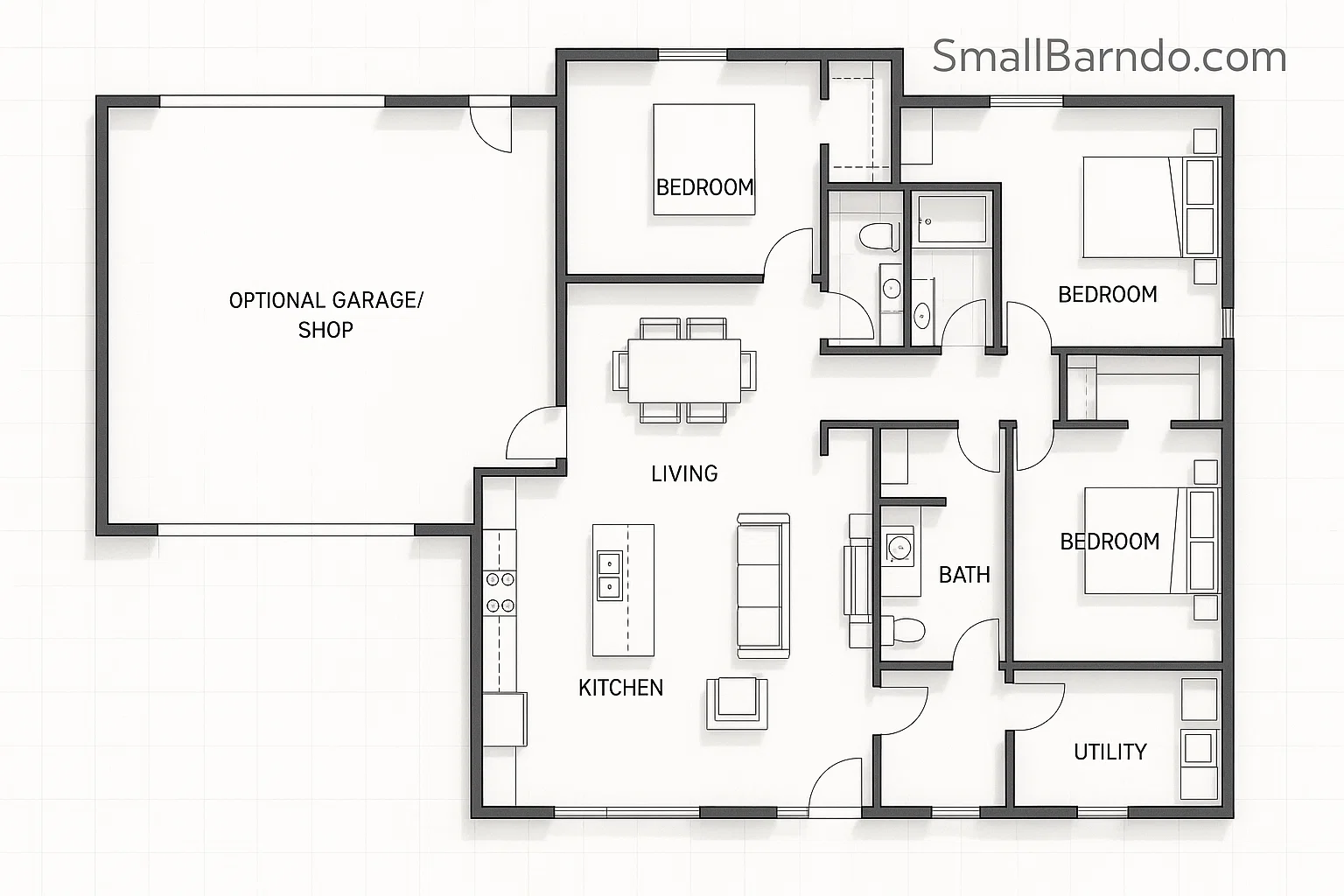
Floor Plans: Detailed layouts showing room dimensions and wall placements.
-
Roof Plans: Specifications for drainage and structural integrity.
-
Elevations: External views showing the height and aesthetic finish of the building.
-
Section Drawings: “Cut-through” views showing internal structural layers.
2. The Rise of the Barndominium and Pole Barn House
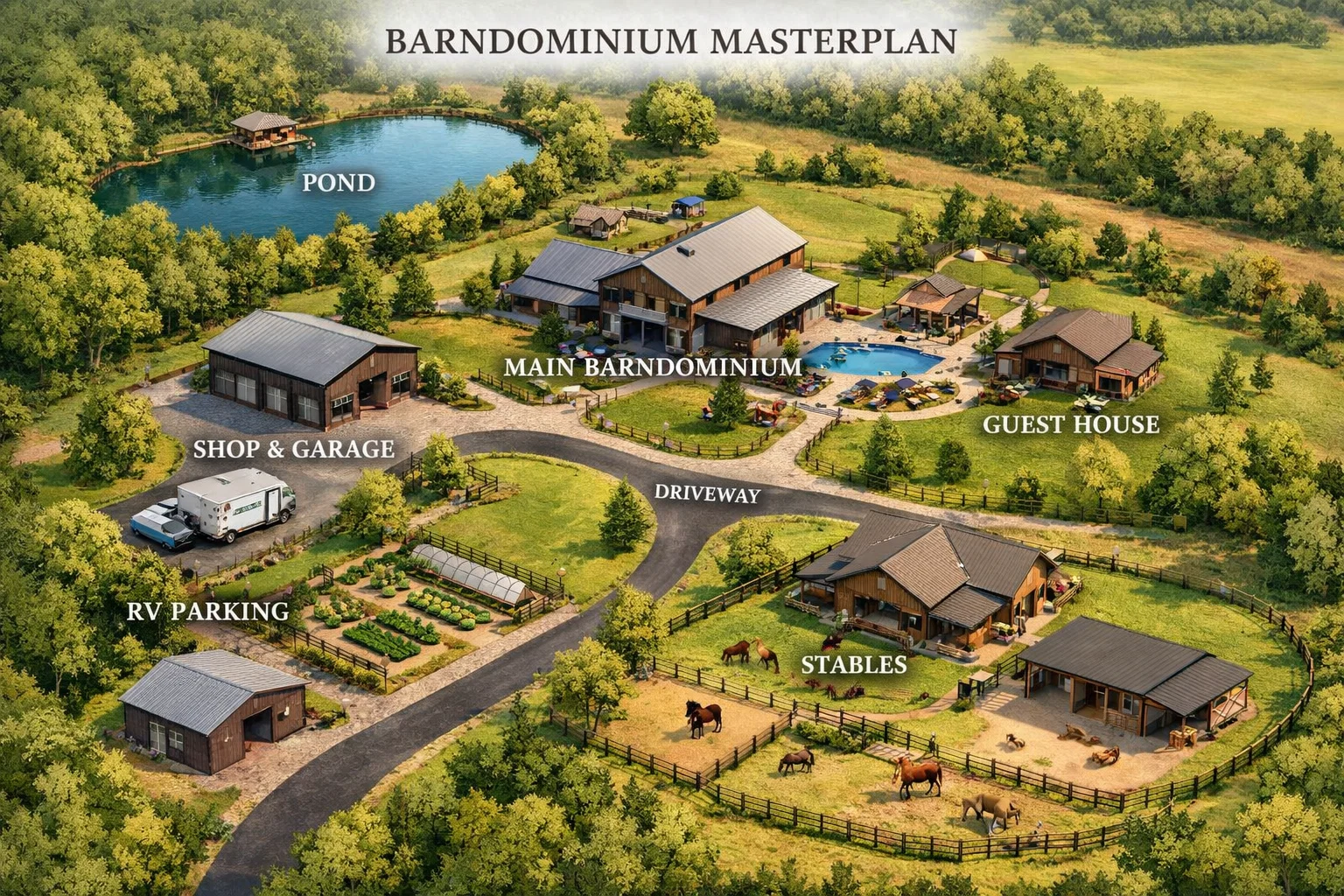
One of the most significant trends in residential architecture is the “Barndominium.” Originally used to describe barns that incorporated living quarters, the term now refers to a specific style of steel or timber-frame home characterized by open floor plans and high ceilings.
Why Choose a Barndominium?
-
Durability: Often built with metal siding and roofing, they withstand harsh weather better than traditional stick-built homes.
-
Versatility: The lack of load-bearing interior walls allows for massive, open-concept living spaces.
-
Cost-Effectiveness: While not always “cheap,” the speed of erecting the shell can lead to lower labor costs.
Comparison: Barndominium vs. Traditional Stick-Built Home
3. Custom Floor Plans: Why One Size Does Not Fit All
While “stock” plans are available online for a few hundred dollars, they rarely meet the specific needs of a buyer. Custom floor plans are essential because every lot is different, and every family has unique lifestyle requirements.
The Customization Process
-
Consultation: Identifying the number of bedrooms, bathrooms, and “must-have” features like a home office or a shop.
-
Site Analysis: Adjusting the plan for sun orientation, topography, and local building codes.
-
Iterative Design: Refinement through feedback (as seen in reviews where clients appreciate “the right questions” being asked to bring a vision to life).
-
Finalization: Producing the high-resolution PDF or DWG files ready for the permit office.
4. Technical Specifications and Software Proficiency
The quality of an architectural output is heavily dependent on the tools used. In the current market, proficiency in specific software is a non-negotiable requirement for professional results.
Autodesk AutoCAD
This remains the industry standard for 2D drafting. It ensures that every millimeter is accounted for, which is critical for builders who need to order materials and sub-contractors who need to follow exact specs.
SketchUp and Lumion
These tools are used for the “visual” side of the project. While AutoCAD tells a builder where a wall goes, SketchUp and Lumion show the client what the light will look like hitting that wall at 4:00 PM. This “3D Modeling and Rendering” service is often an add-on but is vital for commercial presentations and luxury residential projects.
5. Commercial vs. Residential Use
Architectural needs differ significantly depending on the end-user.
-
For Builders: They require “permit-ready” sets. They need clarity on structural components and compliance with international building codes.
-
For Commercial Use: These plans must account for higher traffic, fire safety regulations, and accessibility (ADA compliance in the US).
-
For Homeowners: The focus is often on flow, storage, and the “dream” aesthetic.
6. Exceptions, Conditions, and Limitations
While professional drafting provides the “what” and “where,” there are critical limitations to be aware of:
Structural Engineering Exceptions
Most architectural drafters provide the design and layout, but they are not always licensed structural engineers. * Condition: In many jurisdictions, a local structural engineer must “wet stamp” the plans to calculate snow loads, wind speeds, and seismic requirements specific to that zip code.
-
Limitation: A floor plan is a design document; it does not inherently guarantee that a specific soil type can support the structure without a separate soil report.
AI in Delivery
Current industry standards require transparency regarding AI. While AI can assist in generating layout ideas, the final delivery should involve human oversight to ensure technical accuracy and safety.
7. Analyzing the Success of Top-Rated Architects
Success in this field, particularly on platforms like Fiverr, is measured by communication and reliability.
-
Communication Level: Rated at 4.9/5 by over 3,000 clients, indicating that the ability to explain complex architectural concepts to laypeople is just as important as the drawing itself.
-
Value of Delivery: Clients often invest between $600 and $2,000 for a set of plans. Compared to local firm prices (which can be 5-10% of total construction costs), this represents a massive saving for high-quality, professional-grade work.
8. Working with Builders and Real Estate Firms
Leading architects often partner with specialized firms. For instance, working with companies like BuildMax.com or Moffitt Builders indicates a level of professional trust. These firms rely on drafters to produce “builder-friendly” plans that minimize waste and maximize efficiency on the job site.
Key Factors for Builder Satisfaction:
-
Accuracy: Reducing “field changes” which cost time and money.
-
Clarity: Clear labeling of all dimensions and materials.
-
Speed: Quick turnaround for revisions (often within 1-2 weeks).
9. Conclusion: Building Your Dream
Architectural design is the foundation of your investment. By choosing to invest in custom floor plans and specialized expertise in niche areas like barndominiums, you ensure that your building is not only beautiful but also functional and compliant. Whether you are starting with a rough sketch on a napkin or a detailed list of commercial requirements, the transition from concept to construction requires a professional touch.
FAQ: about Custom Floor Plans
What is included in a set of custom floor plans?
A standard professional set includes the 2D floor plan with dimensions, roof plan, four-side elevations, and sometimes a site plan. Advanced sets may include electrical layouts and 3D renderings.
Can these plans be used to get a building permit?
Yes, most plans are designed to meet general building standards. However, some local building departments require a local engineer’s stamp for structural calculations (like wind or snow load) depending on your specific location.
How long does it take to receive a full set of house plans?
For a top-rated professional, a standard project can take anywhere from 10 days to 4 weeks, depending on the complexity of the custom house plan and the number of revisions requested.
Do I need a 3D model for my project?
While not strictly required for a permit, a 3D model (often created in SketchUp) is highly recommended for custom floor plans so you can visualize the space before construction begins, potentially saving thousands in later changes.
What information do I need to provide to start?
You should provide your lot dimensions, a rough sketch or “wish list” of rooms, and any inspiration photos. If you are a builder, providing the specific building type (Residential vs. Commercial) is crucial for correct drafting.
Is the cost of custom floor plans worth it compared to stock plans?
Absolutely. Stock plans often require expensive modifications to fit your land or local codes. A custom plan is optimized for your specific needs from day one, often resulting in a more efficient and higher-value home.