

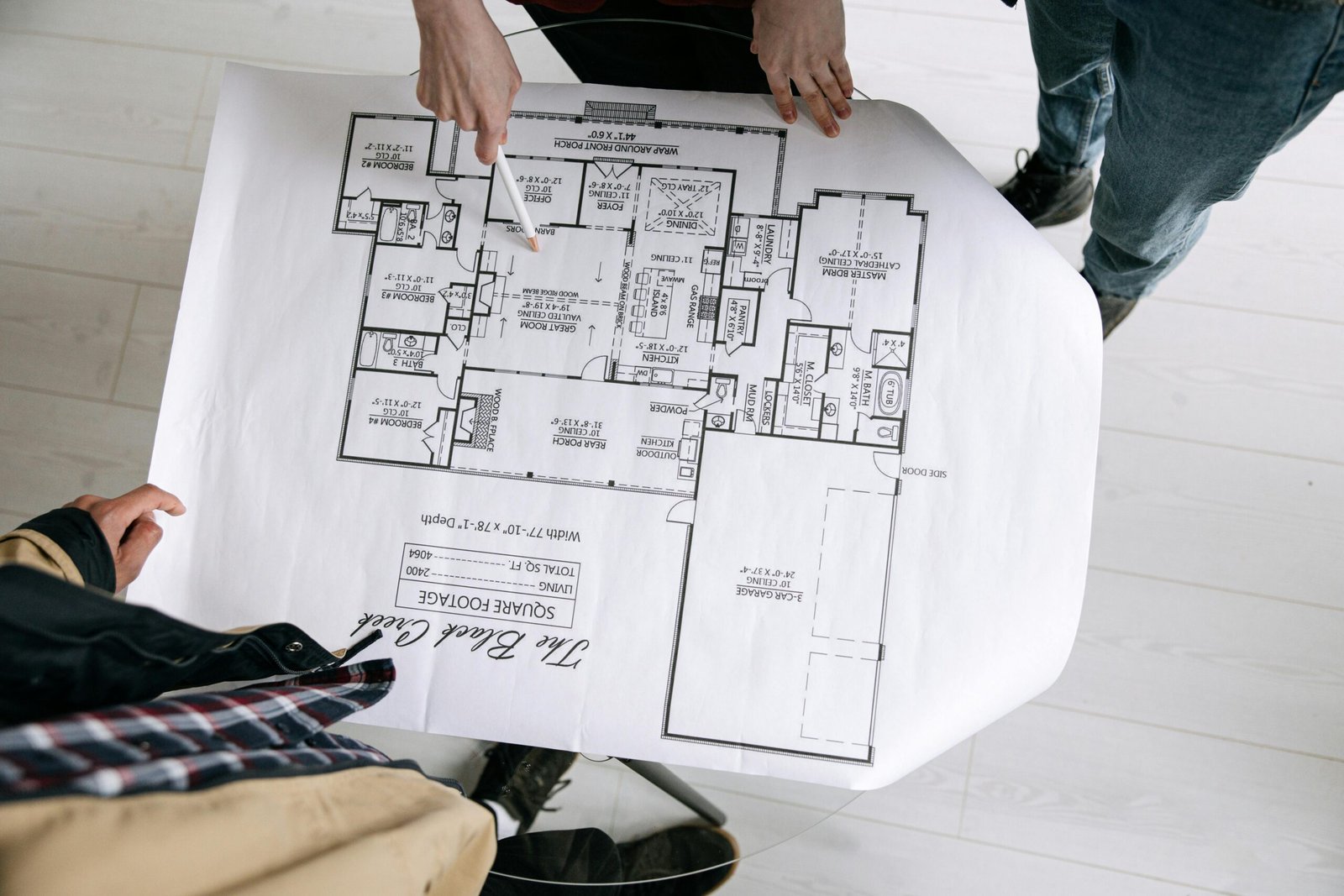
I will design professional barndominium plans and architectural floor plans
300$
Ready to bring your vision to life? I provide high-quality, permit-ready architectural drawings designed for seamless authority submissions, construction coordination, and stakeholder presentations. I focus on delivering accurate, actionable plans that keep your projects on schedule and compliant.
Description
Navigating the complexities of modern construction requires more than just a creative vision; it demands technical precision and adherence to strict legal frameworks. Whether you are envisioning a modern residential home or a specialized steel-frame barndominium, the transition from a sketch to a physical structure hinges on the quality of your blueprints.
For developers and homeowners alike, the primary challenge is securing architectural floor plans that are not only functional but also “permit-ready.” This article explores the intricate world of architectural drafting, the necessity of professional stamps, and the technical layers required for a successful building submission.
1. Understanding Architectural Floor Plans and Their Role
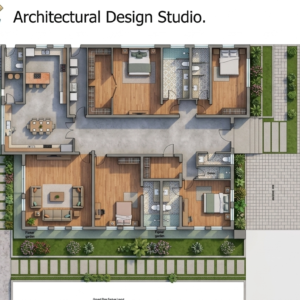
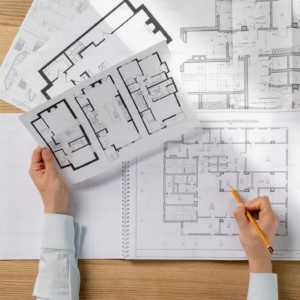
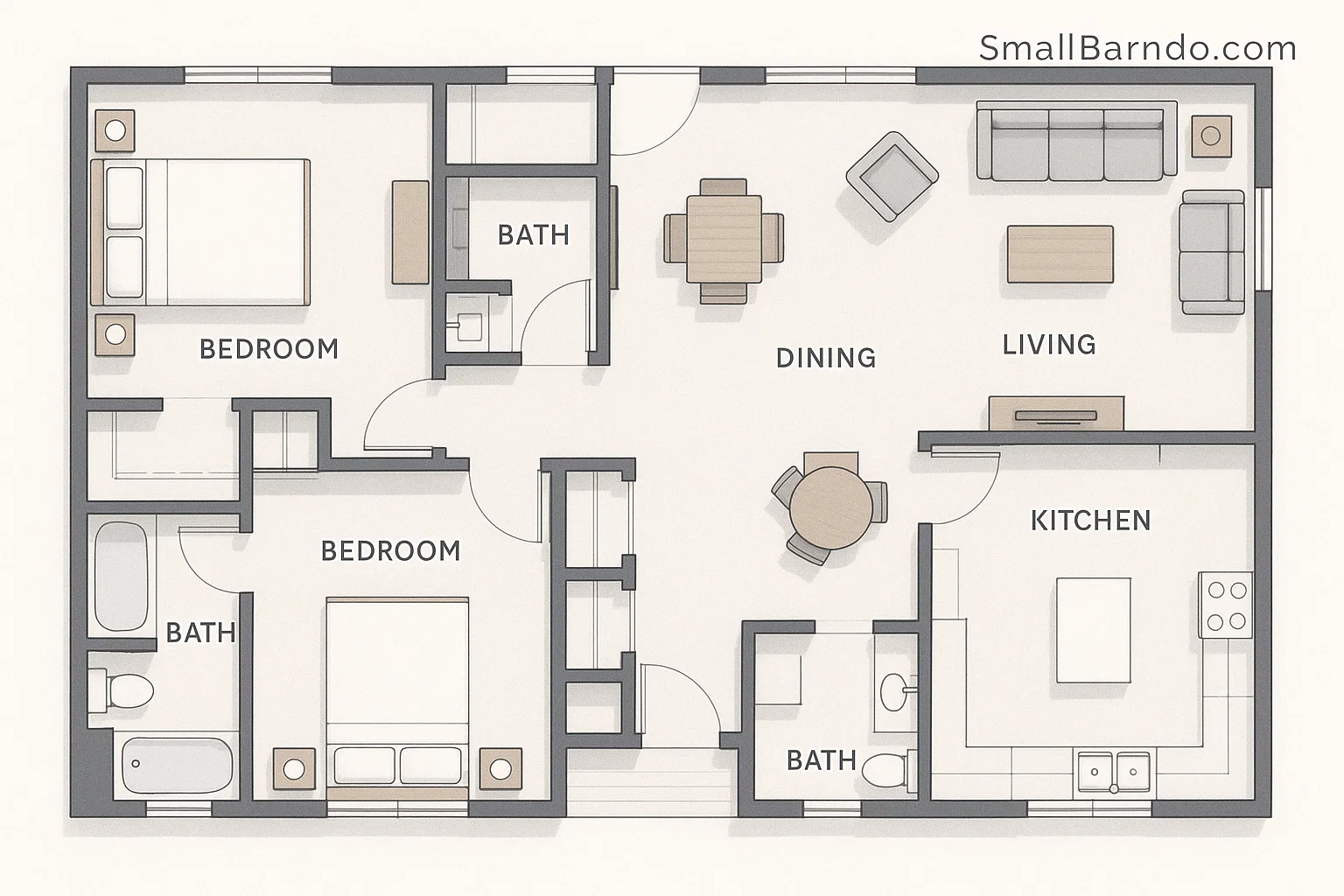
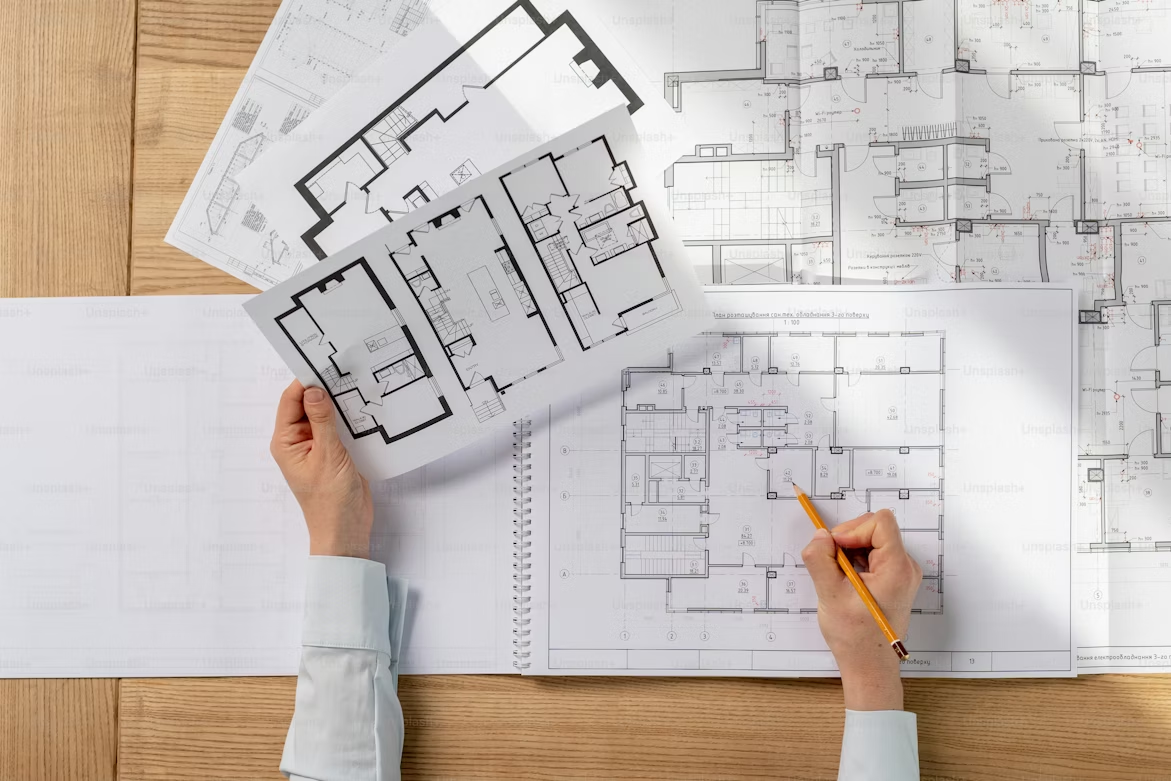
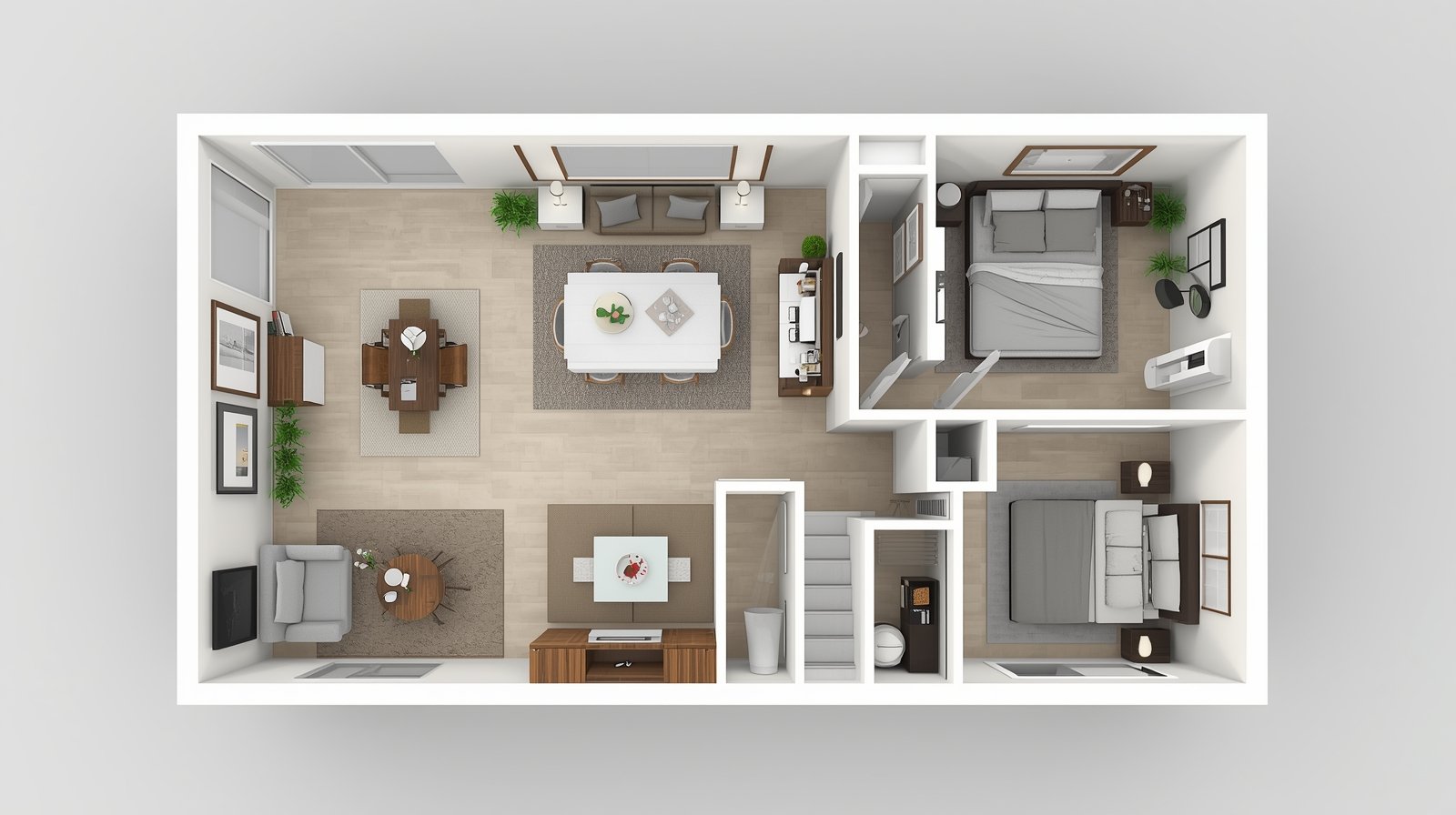
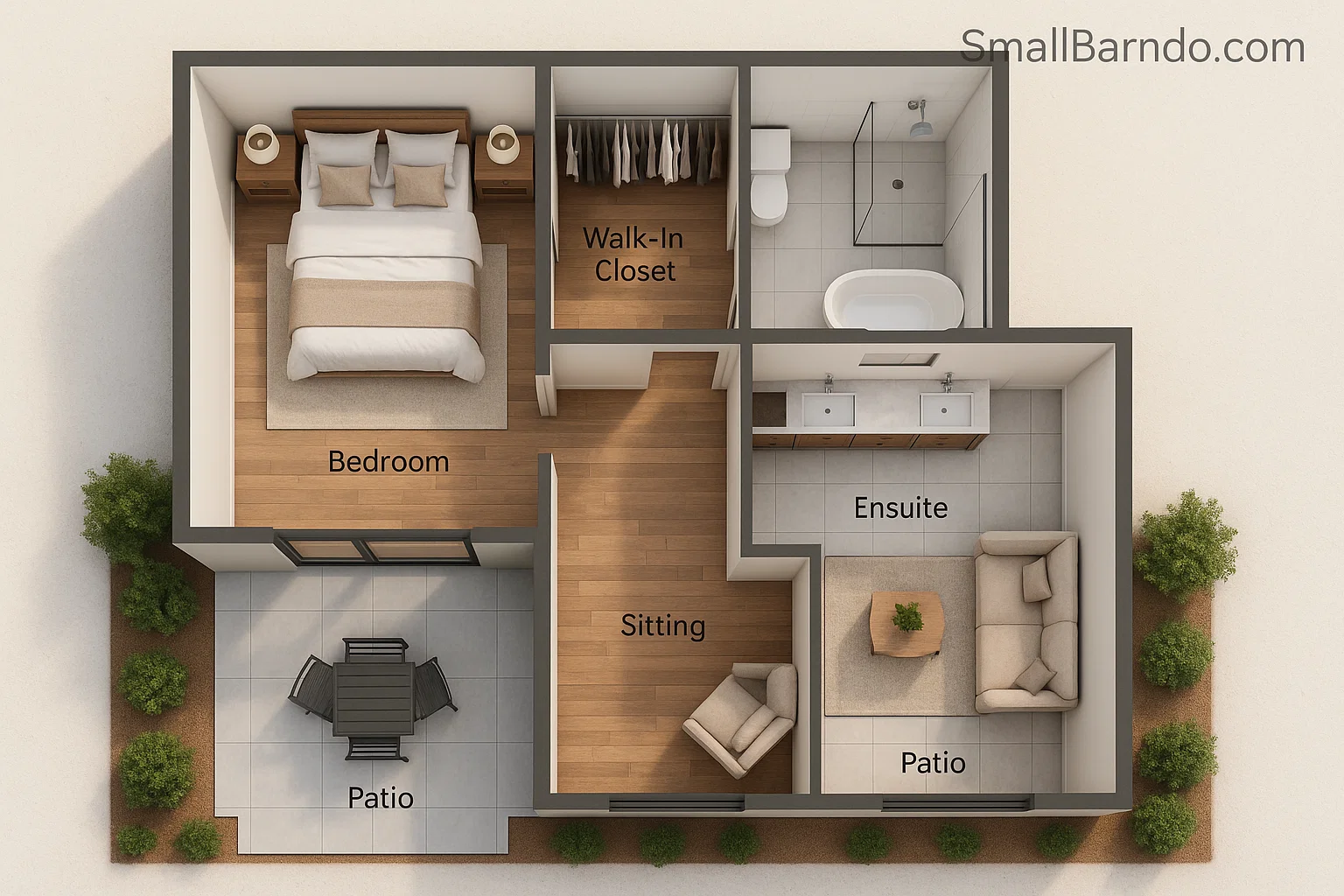
At its core, an architectural floor plan is a scaled diagram of a room or building viewed from above. However, in a professional context, a floor plan is part of a larger ecosystem of documents.
The Components of a Full Architectural Set
A standard professional package often includes:
-
2D Floor Plans: The primary layout showing walls, doors, and windows.
-
Elevations: Vertical views of the building’s exterior to show heights and materials.
-
Section Drawings: Cross-sections that reveal the internal “layers” of the structure.
-
Site Plans: Mapping the building’s location on the specific plot of land.
Why Quality Matters
A poorly drafted plan leads to “Request for Information” (RFI) delays from city authorities. High-quality CAD (Computer-Aided Design) work ensures that every measurement is accurate to the millimeter, reducing the risk of costly errors during the framing stage of construction.
2. The Rise of the Barndominium: A Specialized Design Challenge
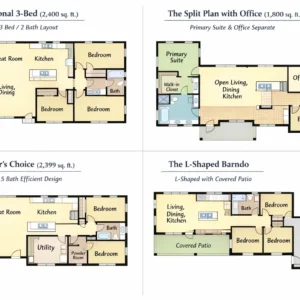
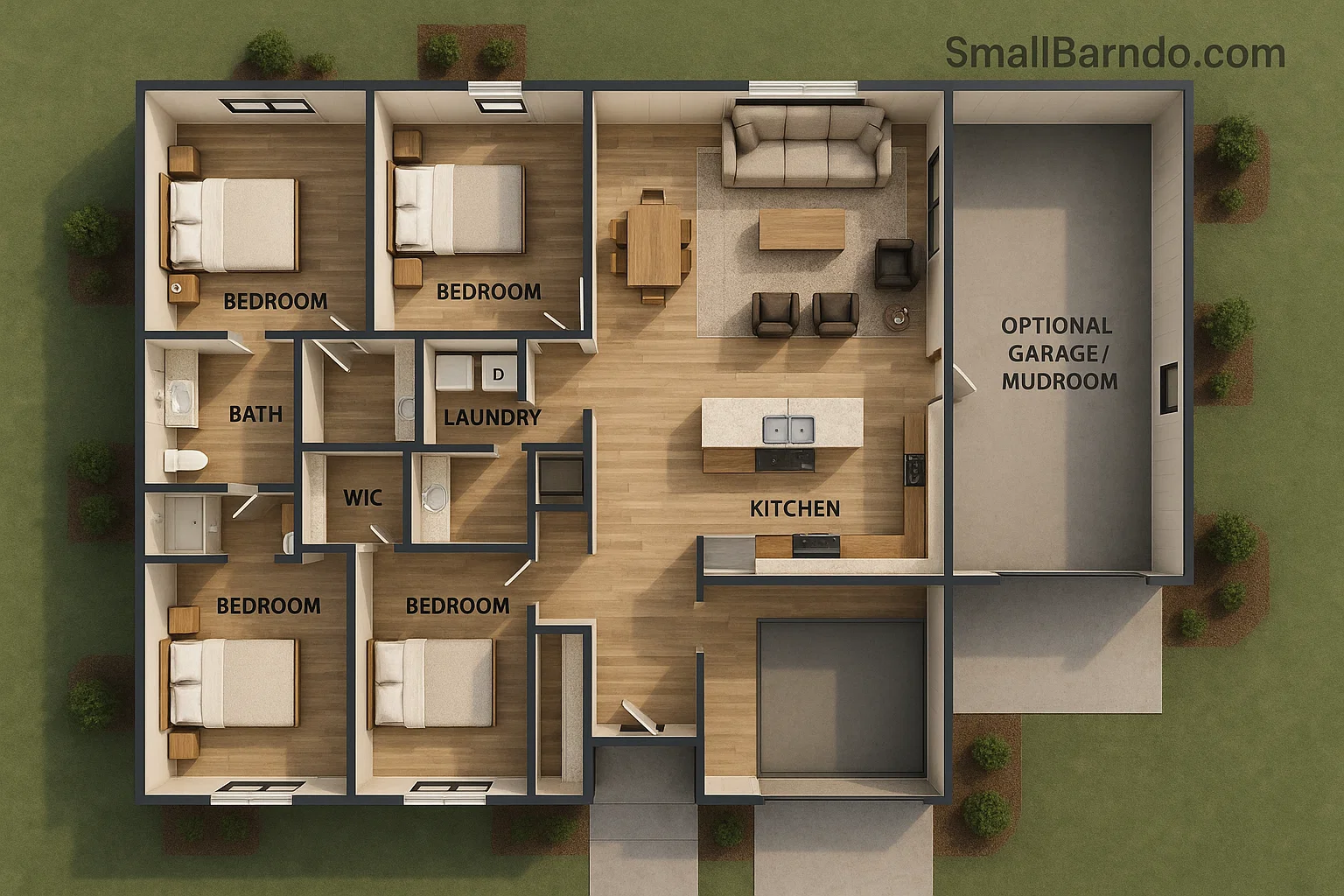
One of the most significant trends in modern architecture is the Barndominium. Originally designed as storage barns with living quarters, these structures have evolved into luxury custom homes.
Unique Requirements for Barndominium Plans
Unlike traditional timber-frame homes, barndominiums often utilize metal or steel shells. This creates unique design constraints:
-
Large Open Spans: Requiring specific structural engineering to ensure the roof is supported without numerous internal load-bearing walls.
-
Foundation Integration: Specialized slab-on-grade foundations are common.
-
Aesthetic Balancing: Redrawing “stamps” for these projects often involves blending industrial durability with residential comfort.
3. The Technical Core: MEP Drawings and Systems Integration
A beautiful layout is useless if the building cannot function. This is where MEP (Mechanical, Electrical, and Plumbing) drawings become essential.
Mechanical Plans (HVAC)
These plans detail the heating, ventilation, and air conditioning systems. They ensure that airflow is optimized and that the mechanical units are placed in locations that do not compromise the architectural integrity.
Electrical Plans
Beyond simple outlet placement, a professional electrical plan includes:
-
Load Calculations: Ensuring the panel can handle the building’s power demand.
-
Lighting Layouts: Detailing fixture types and switching logic.
-
Circuit Diagrams: For both safety and contractor guidance.
Plumbing Layouts
These plans map the supply lines and waste removal systems. For “permit-ready” status, these must often include isometric drawings that show how pipes travel through the floors and walls.
4. Comparisons: Professional Drafting vs. DIY Software
Many owners attempt to use consumer-grade software to design their homes. Below is a comparison of why professional architectural floor plans are required for legal compliance.
5. The Critical Layer: Licensed Architectural and PE Stamps
In most jurisdictions across the United States and Canada, a set of drawings is just a “drawing” until it is stamped.
What is a Stamp?
A stamp is a legal certification by a Licensed Architect or a Professional Engineer (PE). It signifies that the professional has reviewed the plans and takes legal responsibility for their safety and compliance with building codes.
Regional Variations and Exceptions
-
United States: Requirements vary by state. Some states allow “un-stamped” plans for single-family residential homes under a certain square footage, while others require a PE or Architect stamp for any structure.
-
Canada: Provinces like Quebec have distinct regulations regarding who can seal a document for authority submission.
-
The “Masterplan” Exception: In some cases, a masterplan for a community might be pre-approved, but individual site-specific stamps are still required for each plot.
6. The Workflow: From Sketch to Permit-Ready Files
The process of creating or “redrawing” plans follows a logical progression:
-
Initial Discovery: Gathering site information, hand sketches, or old PDF blueprints.
-
CAD Drafting: Converting these sources into high-fidelity digital files (using software like Autodesk AutoCAD or Revit).
-
Schedule Integration: Creating Door and Window schedules to specify every opening in the building.
-
Review and Revision: Iterating on the design to meet the client’s vision and the city’s requirements.
-
Final Certification: Applying the necessary stamps for permit submission.
7. Limitations of Information and Services
It is important to recognize the limitations when seeking architectural services online:
-
Zoning Restrictions: A drafter can create a plan, but they cannot change the zoning of your land. Always check with local planning departments first.
-
Soil Reports: Architectural plans assume “standard” soil conditions unless a Geotechnical report is provided.
-
Physical Inspections: Remote services are based on provided data. If the data provided is inaccurate, the plans will be as well.
8. Summary of Services for Authority Submission
For those looking to bring a project to life, the following checklist represents a comprehensive submission package:
-
Architectural Set: Floor plans, elevations, sections.
-
Engineering Set: Foundation plans and structural framing.
-
MEP Set: Electrical, Plumbing, and HVAC.
-
Schedules: Detailed lists of all materials and fixtures.
-
Legal: Licensed stamps for the specific state or province.
FAQ about Architectural Design
Can you provide a licensed stamp for any state?
Professional services can often facilitate licensed architectural or PE stamps across all U.S. states and Canada. This ensures that your architectural floor plans meet the specific legal and permit compliance standards of your local city or authority.
Are the packages for a “Full Set” of drawings?
Usually, basic packages cover single drawings (like a floor plan or an elevation). For a “Full Set” which includes MEP, structural, and architectural drawings, it is necessary to discuss the specific scope of the project to ensure all technical layers are covered.
What software is typically used for these plans?
Most industry-standard work is performed using Autodesk AutoCAD for 2D precision, and Revit or 3ds Max for 3D modeling and advanced BIM (Building Information Modeling) integration.
Can existing stamped drawings be revised?
Yes. Professionals can redraw or revise existing drawings while maintaining the integrity of the original stamps or providing updated certification if the changes significantly impact the structure.
How long does the permit-ready process take?
The timeline varies based on complexity. A single floor plan may take a few days, while a complete masterplan with MEP and licensed stamps may take several weeks of coordination.